Quick Planning Reference
November
- Events: Film festival, music market, national commemorations
- Climate: Mild days; cool to cold evenings, some rain
- Best for: Cultural itineraries, Marrakech, Rabat
- Accommodation pressure: High around FIFM (20–28 Nov) in Marrakech
- Packing: Light daywear, warm layers for evenings
- Caution: Marrakech hotels fill fast for film festival dates
December
- Events: No major confirmed cultural festivals
- Climate: Mild coasts; cold interiors; mountain snow possible
- Best for: City breaks, desert, coast, imperial cities
- Accommodation pressure: Very high, 27 Dec – 2 Jan
- Packing: Layers essential; warmer clothes for evenings and mountains
- Caution: Mountain roads may be disrupted by snow; check before travel
November and December each offer a different version of Morocco. November brings the country's highest concentration of confirmed international events in a single calendar month — Visa For Music in Rabat, the Marrakech International Film Festival, and two significant national commemorations. Conditions in many regions are comfortable for sightseeing, though evenings cool quickly and the first rains can arrive on the Atlantic coast.
December, by contrast, is culturally quieter but still rewarding. The imperial cities are less crowded than in spring or autumn, the Sahara enters its most atmospheric season, and coastal destinations such as Essaouira and Casablanca offer bracing, beautiful Atlantic conditions. The end of the month brings a sharp surge in hotel demand driven by international visitors over Christmas and New Year — a week that requires careful advance planning.
Morocco's climate is not uniform. Conditions in Tangier can differ radically from those in Marrakech; evenings in the Atlas are cold while afternoons in Essaouira may be pleasant; and desert nights in Merzouga are genuinely cold regardless of daytime warmth. This guide addresses those differences by region.
Confirmed November 2026 Dates
November 2026 contains four verified dates that affect itinerary planning and accommodation availability across Morocco.
Green March Day — 6 November 2026
6 November 2026 · Annual
Green March Day (Marche Verte) commemorates the 1975 peaceful march of 350,000 Moroccan civilians into the Southern Provinces, a defining moment in Morocco's modern history. It is marked by official ceremonies, speeches and public events. Government offices, banks and many businesses close. Travelers should plan accordingly and verify opening hours for attractions in advance. The day is taken seriously at a national level; visitors are unlikely to witness public disturbances but may encounter flag-decorated streets and ceremonial activity.
Source: maroc.ma — Annual confirmed national occasion
Independence Day — 18 November 2026
18 November 2026 · Annual
Independence Day (Fête de l'Indépendance) marks the end of the French Protectorate in 1956 and the return from exile of King Mohammed V. It is one of Morocco's most significant national commemorations, marked by ceremonies and public observance. As with Green March Day, government offices, banks and some commercial premises close. The coincidence of Independence Day with the start of Visa For Music (also 18 November) means Rabat is particularly lively on this date.
Source: maroc.ma — Annual confirmed national occasion
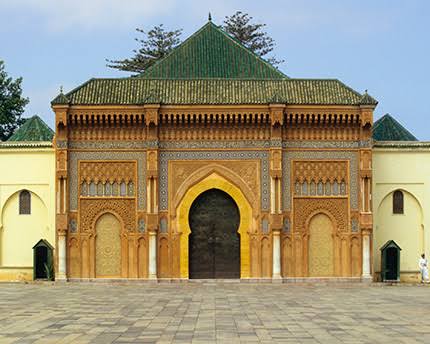
Visa For Music — 13th Edition
18–21 November 2026 · Rabat
Visa For Music is Africa and the Middle East's leading professional music market, bringing together artists, record labels, booking agents, festival programmers and promoters for four days of showcases, conference panels and industry networking. Established in Rabat in 2014, it has grown into a significant hub for world music and African contemporary music, with delegations from over 60 countries. The market runs primarily as an industry event — most main showcases are ticketed or accredited — though the festival atmosphere in Rabat during these dates has a wider cultural impact on the city.
Verified: Source — visaformusic.com

Marrakech International Film Festival (FIFM) — 23rd Edition
20–28 November 2026 · Marrakech
One of the Arab world's most prestigious film festivals, the FIFM presents international features and short films in competition at venues across Marrakech, including free open-air screenings on Jemaa el-Fnaa. The official programme — specific films, guest appearances and venue schedules — is announced by the organiser in the weeks before the event; do not rely on advance programme information from unofficial sources. The festival has a major impact on Marrakech's hotel capacity: riads and popular properties in the medina and Hivernage district typically fill up well before November. Book as early as possible if you plan to visit during this period.
Verified: Source — festivalmarrakech.info
- Marrakech hotel capacity during 20–28 November (FIFM) is among the tightest of the year. Early booking with a flexible cancellation policy is strongly recommended.
- Rabat properties fill around 18–21 November (Visa For Music) — check availability early, especially around the medina and the city centre.
- If both cities are on your itinerary, book them sequentially rather than overlapping where the events don't align.
December 2026: Practical Travel
At the time of review, MoroccoPassport had not identified a major international cultural festival with officially confirmed December 2026 dates. That is not a reason to avoid the country — it is, in many ways, the point. Morocco in December belongs to travelers rather than festival crowds, and the conditions in several regions are genuinely good for sightseeing, gastronomy and slower travel.
Marrakech and the Imperial Cities
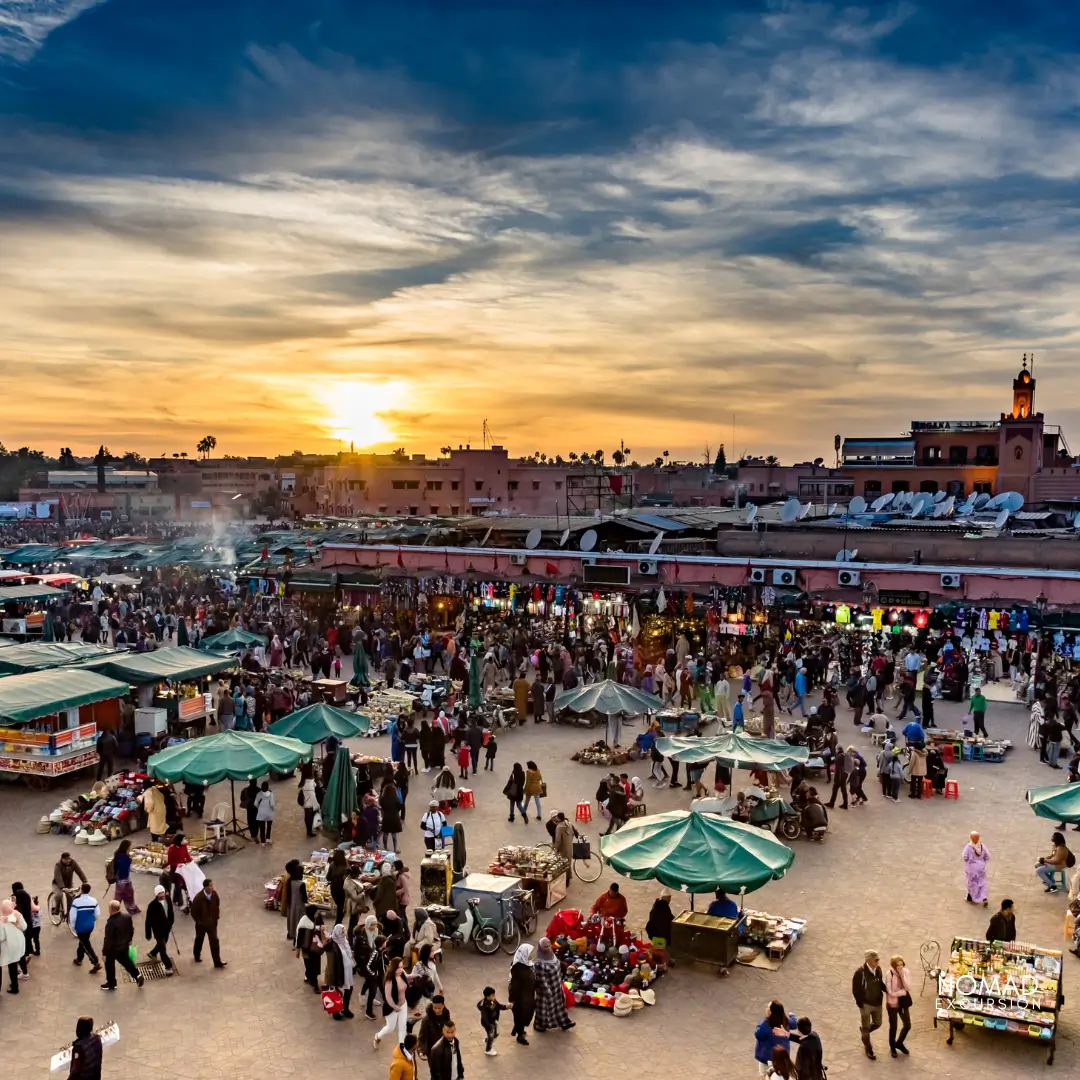
Marrakech in December is one of the strongest months for a medina visit. The summer heat is long gone, the major autumn events are over, and the weeks before Christmas carry a comfortable, unhurried atmosphere. Daytime conditions are often mild and sunny; evenings require a proper jacket. The souks, palaces, gardens and riads are all accessible without the queues of spring or the heat of summer.
The end of December is a different matter. International visitor numbers rise sharply from around 27 December, demand for riads and boutique hotels surges, and prices follow. If you plan to be in Marrakech for New Year's Eve, book accommodation months in advance. Note that New Year's Eve celebrations are primarily driven by international hotel packages — this is not a Moroccan national holiday in the same sense as Eid or the national commemorations in November.
Fes, Meknes and Rabat follow similar patterns: more comfortable in December than in summer, fewer tourists than spring, good access to heritage sites. All three are worth considering as part of an imperial-cities itinerary.
Atlantic Coast: Essaouira, Casablanca and Rabat
Essaouira's Atlantic character becomes more pronounced in winter. The famous trade winds that define the town continue through December, and the coastline can be dramatic under winter light. The medina is at its most manageable. Expect cool, occasionally wet weather rather than beach conditions — Essaouira in December is best approached as a cultural and culinary destination rather than a beach break.
Casablanca and Rabat remain fully operational in December. Both cities have strong restaurant, art gallery and nightlife scenes that function year-round. Casablanca's Hassan II Mosque, the Corniche and the city's Art Deco architecture are accessible and comfortable in December conditions. Rabat's medina and the Chellah gardens are particularly worthwhile in winter light.
The Sahara and Desert Regions

The Merzouga area and Erg Chebbi dunes are among Morocco's most popular December destinations. Daytime conditions can be warm and clear; the light on the dunes in winter is often exceptional. However, temperatures drop sharply after sunset and desert nights in December are genuinely cold. Warm clothing — including a proper sleeping-bag-quality layer if you plan to sleep in a desert camp — is essential rather than optional.
Desert camps vary significantly in quality. Book through reputable operators, confirm what is included (meals, sleeping arrangements, warm bedding), and be aware that road conditions from Ouarzazate to Merzouga can be affected by winter weather in the mountains the route crosses.
Atlas Mountains
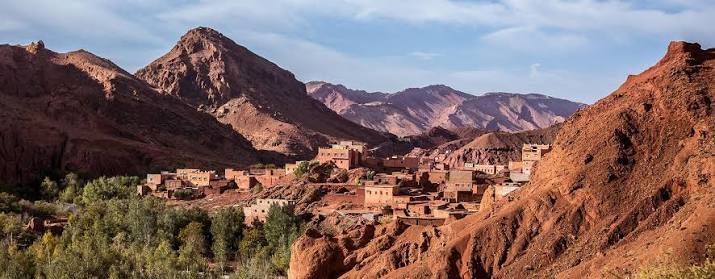
The High Atlas in winter. Mountain passes including Tizi n'Tichka can be affected by snow and ice — check road conditions before departure.
The High Atlas Mountains can receive significant snowfall in December. Passes including Tizi n'Tichka (on the Marrakech–Ouarzazate road) and Tizi n'Test may become hazardous or temporarily closed. Ifrane, in the Middle Atlas, is sometimes called "Morocco's Switzerland" — it sees regular winter snowfall and can be strikingly cold. Mountain trekking in December is possible in lower ranges but requires appropriate clothing and caution above 2,000 metres.
Mountain road caution: If your itinerary includes a Marrakech–desert route via the Tizi n'Tichka pass in December, check road conditions the day before you travel. The pass can be temporarily closed after heavy snowfall. Your riad, hotel or tour operator in Marrakech will usually have current information.
Christmas and New Year
Christmas is not a Moroccan national public holiday. The country has a small Christian minority, and a number of international hotels and upscale restaurants in Marrakech, Casablanca and Agadir offer Christmas menus and festive programmes — but these are aimed primarily at international visitors. Mosques, souks, historic sites and local businesses operate normally on 25 December. Do not expect Christmas closures or public decorations outside of international hotel complexes.
New Year's Day (1 January) is a public holiday. Some businesses, banks and government offices may be closed. Check directly with restaurants, attractions or transport providers if you need specific services on or around 1 January.
If you are planning a December trip around the Christmas or New Year period, confirm directly with your accommodation and any planned restaurants or activities that they will be open and operating as you expect. Do not assume.
Regional Weather Guidance
Editorial note on weather information: MoroccoPassport does not publish specific temperature figures for individual months without verified meteorological sources identifying the location and reference period. The guidance below describes typical conditions based on Morocco's established regional climate patterns. Actual conditions vary year to year. Always check a current forecast before departure.
Atlantic Coast — Essaouira, Agadir, Casablanca
The Atlantic-facing coast tends to be milder than the interior in December, with the sea acting as a temperature buffer. Days are often partly cloudy to sunny, with wind a consistent feature particularly in Essaouira and Agadir. Rain is possible but intermittent. Evenings are cool; a proper jacket is needed after dark. Agadir, sheltered from the prevailing winds by its bay, tends to see more settled, warmer conditions than the exposed Atlantic sites further north.
Marrakech and the Interior
Marrakech typically enjoys mild, often sunny days in November and December, with temperatures generally comfortable for walking and sightseeing during daylight hours. Evenings and early mornings are meaningfully cooler — a warm layer is not optional. November can see some rainfall. The medina and surrounding areas are fully accessible; it is not a cold destination by northern European standards, but visitors from warmer climates should be prepared for genuine cool evenings.
Fes and Northern Inland Cities
Fes sits at a higher altitude than Marrakech and tends to be cooler and wetter in November and December. The medina lanes can feel damp after rain; proper footwear is advisable. Daytime conditions are generally manageable for sightseeing, but the city's winters are noticeably cooler than those on the coast or in Marrakech. Meknes follows a similar pattern.
Tangier and the Far North
Tangier and the Rif region experience the most rainfall of any part of Morocco in November and December. The north faces Atlantic and Mediterranean weather systems, and prolonged wet periods are possible. That said, the landscape is lush and the city's coastal character makes it appealing even in winter. Plan for rain and carry appropriate gear.
Atlas Mountains
Mountain conditions in December range from cold and wet to snowbound depending on altitude. Above 2,000 metres, snow is common and conditions can change quickly. The Toubkal area is accessible in December with proper equipment and an experienced guide, but is not suitable for inexperienced walkers without adequate preparation. Lower-altitude mountain villages and the Ourika valley offer more accessible winter walking without the same hazards.
Merzouga and the Desert Southeast
The Sahara fringe around Merzouga sees clear days and cold nights in December. Desert mornings can be remarkably still and beautiful; midday is typically warm. After sunset, temperatures drop sharply and desert camps can become very cold once the sun has gone down. Pack accordingly: warm layers, a good jacket and suitable footwear are essential, not precautionary.
Suggested Itineraries
The following are practical examples rather than rigid schedules. Transfer times between cities vary by transport choice; Marrakech and Rabat are connected by high-speed rail (Al Boraq) but some combinations require additional planning.
1 — November Culture Trip: Rabat and Marrakech · 8–9 Days
Settle into Rabat ahead of Visa For Music. Explore the Kasbah des Oudayas, the Hassan Tower and the Chellah. Book accommodation well in advance for 18–21 November.
Attend available showcases and events. The city is particularly animated during this period. Independence Day (18 November) adds further public activity. Note that most main Visa For Music events are accredited or ticketed.
The Al Boraq high-speed service connects Rabat and Casablanca quickly; onward travel to Marrakech requires a change and additional journey time. Allow a full travel day. Alternatively, break the journey in Casablanca for a night.
The Film Festival transforms Marrakech's cultural atmosphere. Free open-air screenings on Jemaa el-Fnaa are accessible without tickets; official programme events require checking the festival website for access and ticketing. Explore the medina, Bahia Palace and Majorelle Garden between screenings.
2 — December City and Coast Trip: Casablanca, Rabat, Marrakech and Essaouira · 9–10 Days
The Hassan II Mosque, the Art Deco city centre, the Corniche and the Habous quarter. Casablanca in December is uncrowded and fully functional.
The Kasbah des Oudayas, Chellah necropolis, the medina and the Mohammed VI Museum of Modern and Contemporary Art. Rabat is compact, manageable and one of Morocco's most underrated destinations for a short stay.
The medina at its most accessible — quieter streets, comfortable daytime temperatures, manageable souks. Evenings are cool; plan dinners at riads or restaurants with heating.
The ramparts, skala, the medina and the Atlantic foreshore. Essaouira in December is windy, dramatic and largely free of summer crowds. The town's seafood restaurants, galleries and music heritage make it an excellent final destination before returning via Marrakech.
3 — Winter Landscape Trip: Marrakech, Atlas and Desert · 8 Days
Base for the route south. Book your mountain and desert transport in advance. Check mountain road conditions (particularly Tizi n'Tichka) before departure day.
A dramatic mountain crossing. Subject to road conditions — check the day before. Ouarzazate makes a logical overnight stop before heading deeper into the southeast.
The Draa Valley's kasbahs and palmeries give way to the sand seas around Merzouga. One night in a desert camp is a worthwhile experience in December, but pack warm clothing — temperatures after sunset are cold.
The return overland journey retraces some of the same scenery; some travelers prefer to fly back from Errachidia to Casablanca or Marrakech if their schedule allows. Allow time in Marrakech on your final night before departure.
None of these itineraries are intended as rigid day-by-day schedules. Travel times, accommodation availability and road conditions vary. Allow buffer time, particularly when mountain driving is involved or public holidays may affect services.
Where to Stay
Accommodation planning for November and December 2026 has two distinct pressure points: Marrakech during the Film Festival (roughly 20–28 November), and everywhere over the Christmas and New Year period (roughly 27 December – 2 January).
For Marrakech during FIFM, the medina — particularly the area around Jemaa el-Fnaa and the northern souks — is the most sought-after accommodation zone. Riads here can sell out entirely weeks or months ahead. If you cannot find medina availability, the Hivernage and Gueliz districts offer hotel alternatives with easier access to some venues. Book early, check cancellation terms carefully, and verify that quoted prices include all applicable taxes and service charges.
For New Year, demand spreads more widely. Marrakech, Essaouira, Agadir and some Sahara desert camps all experience surge pricing and limited availability. If you have specific accommodation in mind, do not delay.
Compare Morocco Accommodation for November & December
Search and compare hotels, riads and guesthouses across Morocco — including availability and pricing for the film festival period in Marrakech and the year-end holiday window.
Compare Morocco Accommodation for November & December →Affiliate link — MoroccoPassport may earn a commission if you book through this link, at no cost to you. We do not endorse specific properties or make availability or pricing guarantees.
Packing and Practical Planning
Clothing
Layering is the key approach for November and December in Morocco. Days can be genuinely pleasant and warm in the south; evenings cool quickly everywhere; mountain and desert nights require proper warm clothing. Relying on a single-weight wardrobe will leave you cold after dark.
- Light daywear: shirts, trousers, a light top layer
- Warm layer: a proper jacket or insulated mid-layer for evenings
- Rain protection: a compact waterproof or packable rain jacket
- Modest clothing: for mosques and medina areas
- Warmer options for Atlas/desert: fleece, thermal underlayer
- Footwear: comfortable closed walking shoes for medina streets
- Sun protection: sunscreen and sunglasses for clear winter days
- Scarf: useful in wind (Essaouira especially) and cold desert mornings
Advance Planning
- Book Marrakech accommodation for FIFM dates (20–28 November) as early as possible.
- Book accommodation for 27 December – 2 January ahead — this applies to Marrakech, Essaouira, Agadir and desert camps.
- If your itinerary includes the Tizi n'Tichka or Tizi n'Test mountain passes, check road conditions the day before travel in December.
- Confirm hours directly with any specific museum, attraction or restaurant you plan to visit on national public holidays (6 and 18 November, 1 January).
- If you are attending Visa For Music (18–21 November), check accreditation and ticketing requirements directly on the official website before arrival.
Frequently Asked Questions
Is November a good time to visit Morocco?
Is December warm in Morocco?
Does Morocco celebrate Christmas as a public holiday?
Can it snow in Morocco in December?
Should accommodation be booked early for New Year in Morocco?
- Marrakech International Film Festival: festivalmarrakech.info
- Visa For Music: visaformusic.com
- Moroccan national occasions: maroc.ma
- MoroccoPassport Events Calendar 2026–2027: Full calendar →
Last reviewed: 2 November 2026 · MoroccoPassport verifies confirmed event dates from official organiser sources. For the most current programme information on individual events, always consult the official website of the organiser. Weather guidance is based on established regional climate patterns and is not a forecast; check current conditions before travel. Accommodation and travel arrangements should be confirmed directly with providers.