Morocco Festivals — At a Glance
In This Guide
- Why Morocco Has Such a Rich Festival Calendar
- Festival Calendar at a Glance
- Gnaoua World Music Festival — Essaouira
- Festival of World Sacred Music — Fes
- Mawazine: World Rhythms — Rabat
- Jazzablanca — Casablanca
- Timitar Festival — Agadir
- Festival of Roses — El Kelaa M'Gouna
- Tanjazz — Tangier
- Tbourida: The Festival You Didn't Know to Look For
- Planning Your Festival Trip
- Frequently Asked Questions
Why Morocco Has Such a Rich Festival Calendar
.jpeg)
Morocco sits at one of the great cultural crossroads of the world. Amazigh, Arab, Andalusian, Sub-Saharan African and — along the Atlantic coast — Atlantic trading influences have collided and mingled here for more than a thousand years. The result is a musical tradition of extraordinary breadth: Gnaoua trance music rooted in West African spirit rituals, Andalusian orchestral suites that trace their lineage to the courts of medieval Moorish Spain, Chaabi folk music that fills the squares of every medina, Ahouach Berber circle dance from the High Atlas villages, and a thriving contemporary urban scene that fuses all of the above with electronic beats, jazz and hip-hop.
Morocco's festival scene reflects this richness. The country now hosts some of the most respected music events on the African continent — events that draw international headliners to stages set inside medieval medinas, on Atlantic waterfronts, in ruined Roman amphitheatres and on palace forecourts. Whether you are travelling specifically for a festival or simply happen to be in Morocco during the season, the events described in this guide are worth building an itinerary around.
A practical note before we begin: Morocco's festival calendar can shift from year to year, and specific dates are confirmed late. Treat all dates in this guide as typical ranges rather than confirmed 2026 dates. Always verify at the official event website before booking non-refundable travel.
Festival Calendar at a Glance
Click any festival to jump to the full guide below. Free Mixed Paid
1. Gnaoua World Music Festival — Essaouira
Gnaoua World Music Festival
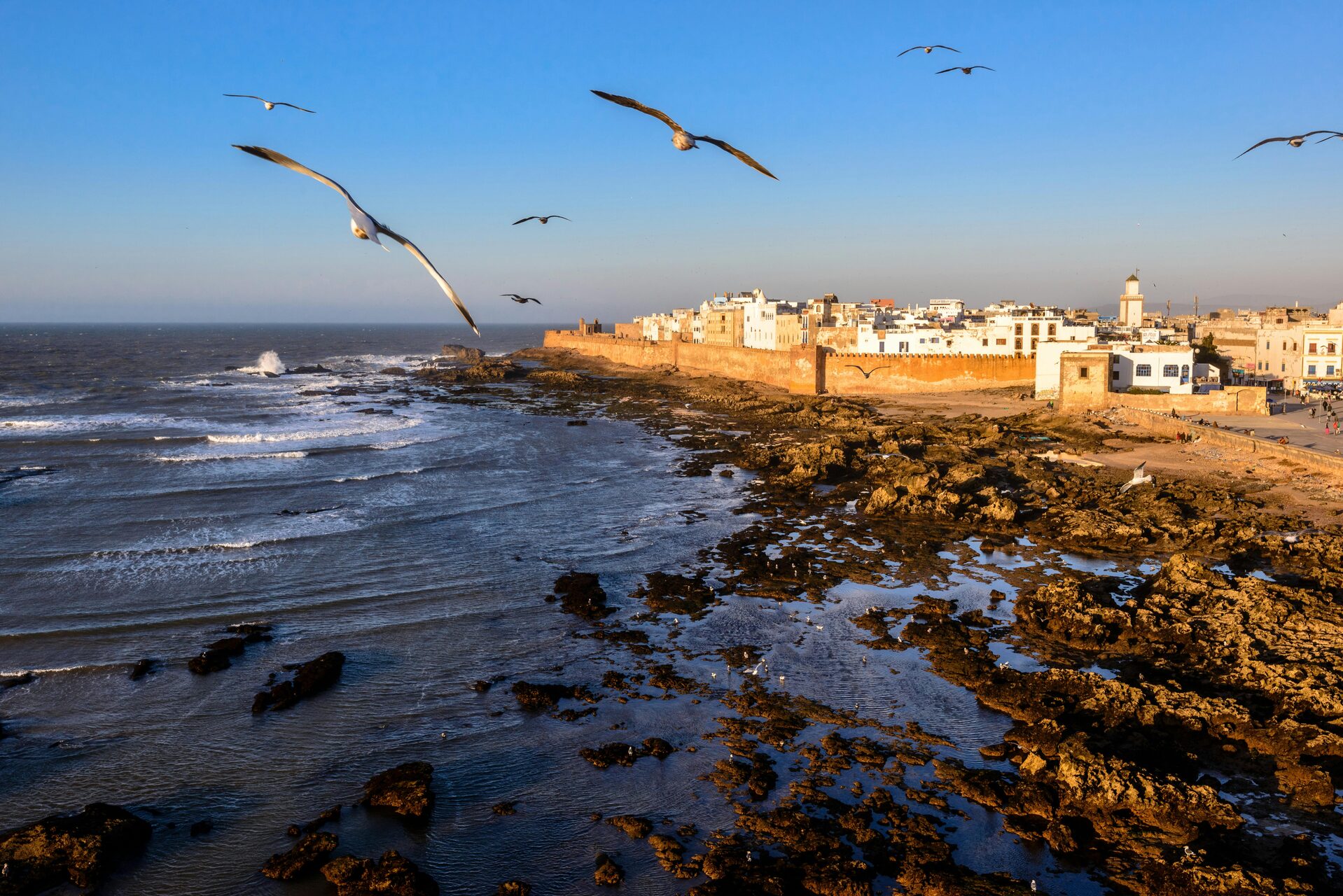
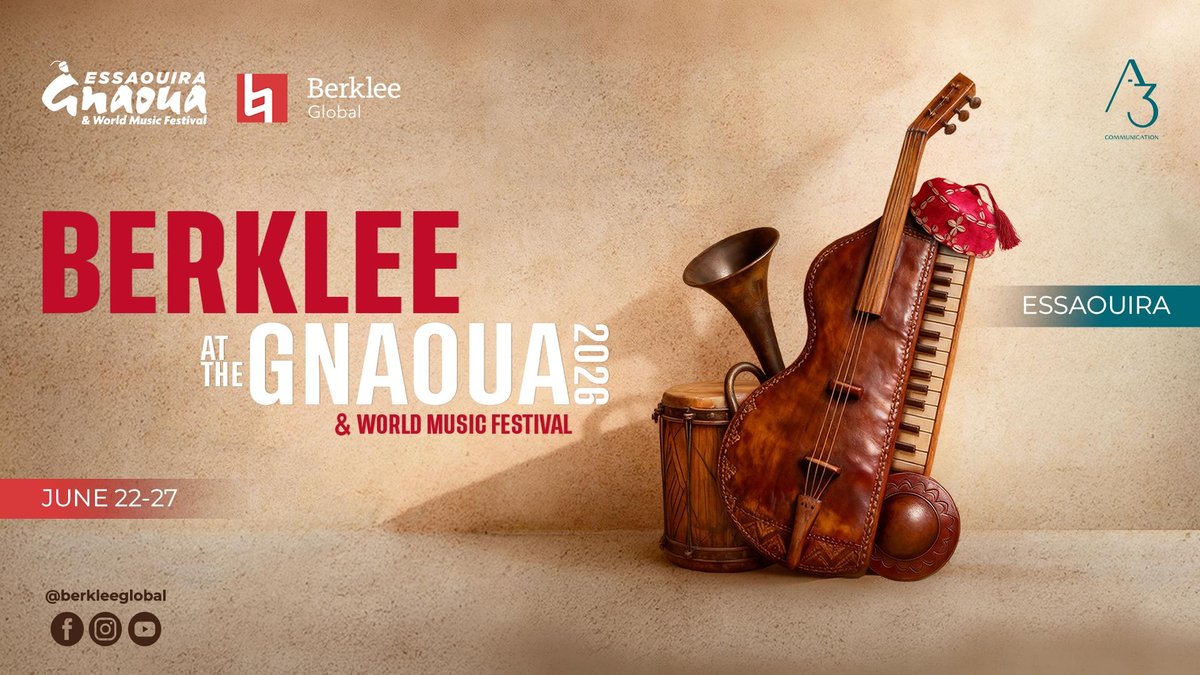
Free · Essaouira · JuneThe Gnaoua World Music Festival is Morocco's most iconic cultural event — and one of the most distinctive music festivals anywhere in the world. For three or four days each June, the port city of Essaouira transforms into the global capital of Gnaoua music, drawing audiences of half a million people to its windswept squares and ramparts for free outdoor concerts that last until the small hours of the morning.
Gnaoua is a spiritual music tradition brought to Morocco by West African enslaved communities during the medieval period, rooted in healing ceremonies and trance rituals. The principal instruments are the guembri (a three-stringed bass lute), metal castanet-like krakeb, and call-and-response choral chanting. The festival presents Gnaoua maalems (masters) performing both in traditional ceremony and in fusion collaborations with jazz, blues, electronic and world music artists from across the globe — an experiment that has produced some genuinely remarkable musical encounters over the festival's nearly three-decade history.
The main stage on Place Moulay Hassan is the heart of the festival — a vast open square in the medina that fills each evening with thousands of people sitting on the ground, standing on café terraces and hanging from the surrounding buildings. The Ramparts stage overlooks the Atlantic Ocean and hosts afternoon and early evening sets. A third stage near Bab Marrakech handles smaller and more experimental acts. All stages are free. All night. No tickets required.
Gnaoua maalems in ceremonial dress at the Essaouira waterfront — the festival has been running since 1998.
2. Festival of World Sacred Music — Fes
Festival of World Sacred Music
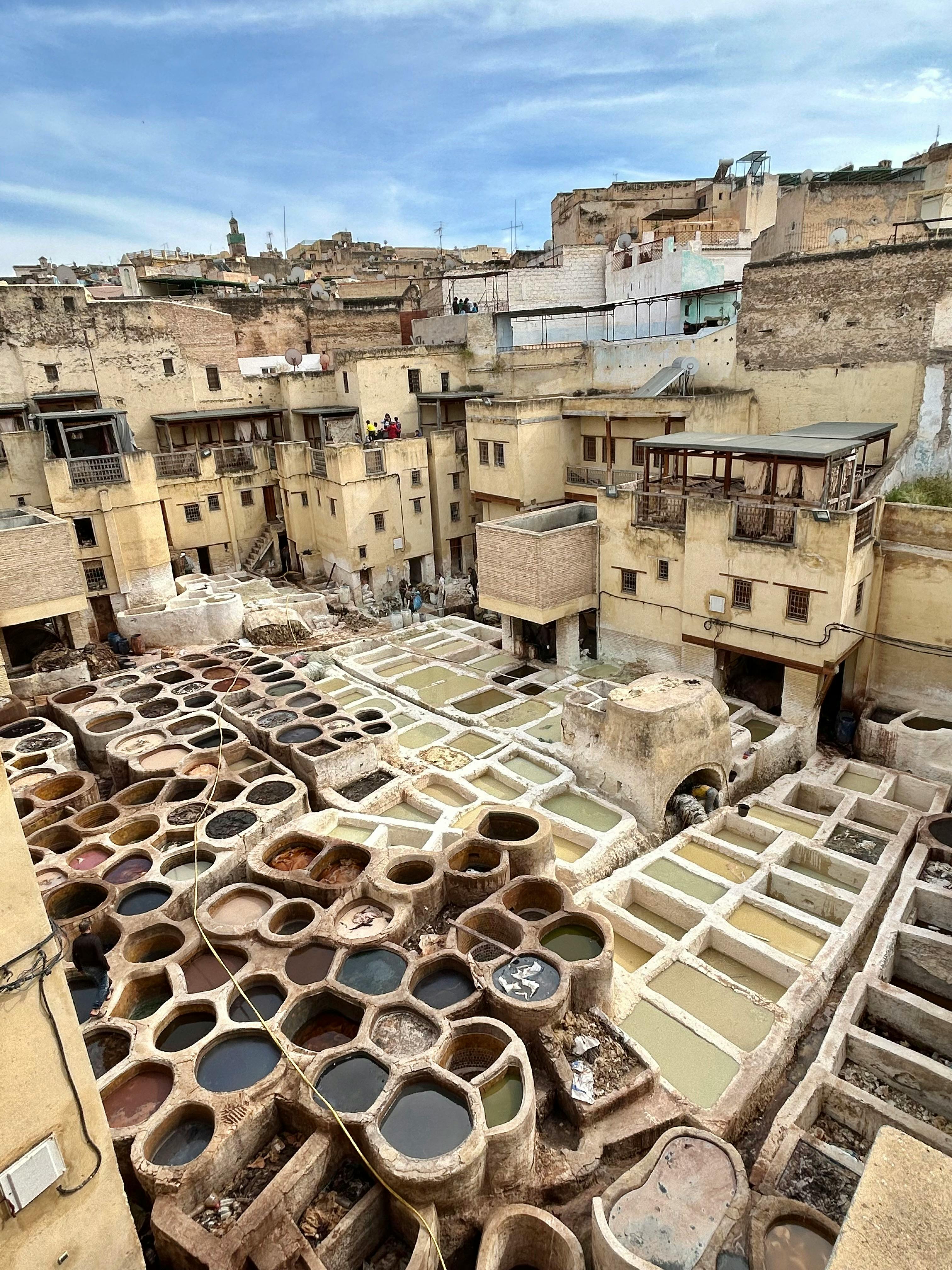
Paid · Fes · May–JuneThe Festival of World Sacred Music in Fes is probably Morocco's most prestigious cultural event — a nine-day gathering of musicians, mystics and scholars that has been running since 1994 and carries UNESCO recognition for its contribution to intercultural dialogue. The setting is extraordinary: the main concerts take place in the Bab Makina courtyard, a vast 14th-century royal ceremonial space whose carved plaster walls and zellige tilework form a backdrop that no conventional concert hall could replicate.
The programming is genuinely global. Past editions have brought together Sufi brotherhoods from Turkey, qawwali masters from Pakistan, Gnaoua maalems, Georgian polyphonic choirs, Indian classical musicians, Andean folk ensembles and Western classical orchestras — often on the same bill in the same evening. The curatorial vision is to use music as a vehicle for spiritual encounter across traditions, and the atmosphere of the main concerts — held under the stars in the medina, often beginning after 10pm — has a quality that is difficult to describe to anyone who hasn't experienced it.
Tickets for the main evening concerts sell out weeks or months in advance for popular acts. Day programmes — lectures, Sufi walking rituals, medina concerts and workshops — are free and form an equally important part of the festival experience.
Read the Complete Guide: MoroccoPassport has published a full evergreen guide to the Fes Festival of World Sacred Music — covering Bab Makina, Sufi Nights, tickets, venues, etiquette, a four-day itinerary and where to stay. Read the Fez Festival Complete Guide →
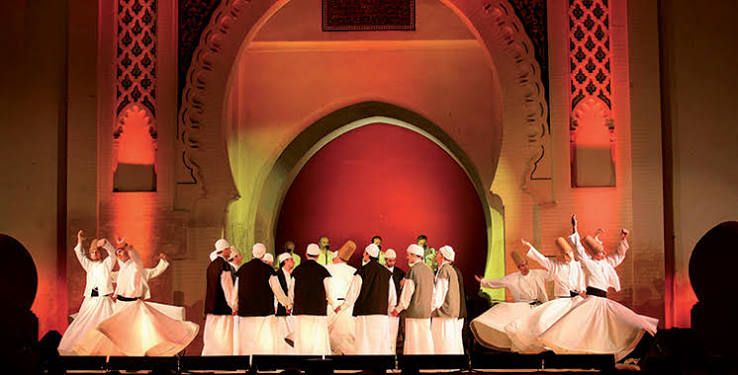
The Bab Makina courtyard becomes one of the world's great concert settings during the Festival of World Sacred Music each May/June.
3. Mawazine: World Rhythms — Rabat
Mawazine: Rhythms of the World
Mixed · Rabat · MayBy attendance, Mawazine is one of the largest music festivals in Africa and among the top ten in the world — the free outdoor stage on the banks of the Bouregreg river regularly draws audiences of hundreds of thousands for a single night. The festival runs for nine days in late May across multiple stages throughout Rabat, with a programming philosophy that combines international pop and R&B megastars (past headliners have included Mariah Carey, Bruno Mars, Dua Lipa, Rihanna and Stevie Wonder) with Moroccan and North African artists who rarely receive this scale of platform.
The outdoor concerts on the Bouregreg stage and in the medina are completely free and open to anyone who shows up. The stadium concerts at the Moulay Abdallah Olympic Complex require tickets, which are modestly priced by international standards. The contrast between these two experiences — the intimate paid concert and the enormous free gathering on the riverbank — is itself part of what makes Mawazine unusual among major international festivals.
The Chellah stage, set within the ruins of a Roman and Merinid archaeological site on the edge of the medina, hosts world music and more experimental programming. Seeing a concert inside an ancient walled necropolis with swallows nesting in the tower ruins above is one of the stranger and more beautiful festival experiences Morocco offers.
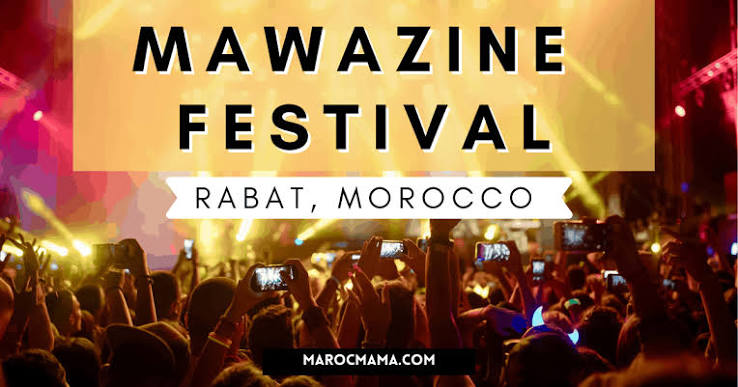
The Mawazine Bouregreg stage routinely draws crowds of several hundred thousand — one of the largest single-night concert gatherings in the world.
4. Jazzablanca — Casablanca
Jazzablanca
Paid · Casablanca · AprilJazzablanca is North Africa's premier jazz festival, held each April at the Anfa Park Live venue in Casablanca. Since its founding in 2006, it has grown into a sophisticated international event that attracts serious jazz audiences from Morocco, France and across Europe, while remaining accessible enough to introduce North African audiences to the genre's full range — from straight-ahead bebop and blues to electronic fusion and contemporary crossover.
Past headliners have included Sting, Marcus Miller, Chick Corea, Ibrahim Maalouf, Al Jarreau and a roster of jazz heavyweights alongside emerging Moroccan and North African talent. The festival is known for its high production quality and relaxed, cosmopolitan atmosphere — Casablanca's professional class turns out in force, and the crowd is noticeably different in character from the mass outdoor festivals of Rabat and Essaouira.
The festival takes place in April, when Casablanca's Atlantic climate is comfortable — warm enough for outdoor evenings without the heat of summer. For travellers using Casablanca as their entry point to Morocco (most international flights land at Mohammed V Airport), Jazzablanca offers a reason to spend more than a transit day in the city.
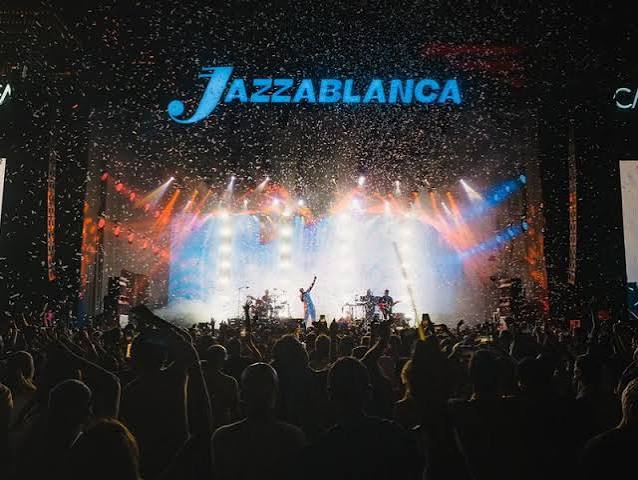
Jazzablanca draws North Africa's jazz audience to Casablanca each April — one of the most polished festival productions in the region.
5. Timitar Festival — Agadir
Timitar: Signs and Cultures
Free · Agadir · JulyTimitar — the word means "signs" in the Tamazight language — is Agadir's annual celebration of Amazigh music and global cultural fusion, held over four days in July on the city's main thoroughfare. Unlike the more internationally focused festivals of Essaouira and Fes, Timitar's primary purpose is the promotion and preservation of Amazigh musical heritage from across the Souss region, the Atlas Mountains and the wider Amazigh world stretching from Morocco to Libya.
The festival is free, family-oriented and genuinely attended by local people rather than primarily by tourists. A single main outdoor stage hosts concerts that begin in the evening and continue past midnight; smaller stages and cultural spaces throughout the city feature traditional music, dance performances, craft demonstrations and cinema screenings. The programming reliably includes Amazigh folk groups alongside West African artists and occasional European fusion acts, reflecting the festival's "signs and cultures" philosophy.
Agadir's beach resort infrastructure means accommodation is plentiful even during the festival — this is one of the easiest Moroccan festivals to attend without advance planning, though hotels are noticeably busier in July.
6. Festival of Roses — El Kelaa M'Gouna
Festival of Roses (Moussem des Roses)
Free · Dadès Valley · MayThe Festival of Roses is unlike any other event in Morocco — or, for that matter, anywhere else. Held each May in El Kelaa M'Gouna, a small town in the Dadès Valley southeast of Ouarzazate, the festival marks the rose harvest season in one of the world's most prolific rose oil producing regions. The surrounding valley is planted with millions of Damascene rose bushes, and for a brief window in late April and May the landscape is pink and heavily scented.
The festival itself is centred on a procession of decorated floats carrying the Rose Queen — a young woman elected from the community — through streets lined with rose petals, accompanied by Amazigh music, traditional dancers in costume and the general celebratory atmosphere of a harvest festival that has been observed in this valley for generations. There are music performances in the town square, craft markets selling rose water, rose oil, rose soap and dried petals, and a general sense of a community celebrating something genuinely its own rather than performing for tourist benefit.
This is the most "Moroccan" of all the festivals listed here — less internationally produced, more intimately rooted in place and season. The journey to reach it (El Kelaa M'Gouna is several hours by road from Marrakech, in the same valley that leads to the Sahara) is itself a significant part of the experience, passing through the dramatic pink-rock gorges of the Dadès.
7. Tanjazz — Tangier
Tanjazz International Jazz Festival
Paid · Tangier · OctoberTanjazz brings jazz to Tangier each October — a city that already has powerful associations with artistic and bohemian creative life, having hosted Matisse, Paul Bowles, William S. Burroughs and the Beat Generation writers during the mid-20th century. The festival has been running since 2000 and takes place across a cluster of intimate venues in the city centre, creating an atmosphere closer to a neighbourhood jazz event than a large production festival.
The programming mixes Moroccan and North African jazz artists with international headliners, and the relatively small scale of the festival means that encounters between audiences and musicians are more immediate than at the large outdoor events. October is an excellent month to visit Tangier — summer heat has passed, the light over the Strait of Gibraltar in the afternoon is extraordinary, and the city's café culture is at its most animated.
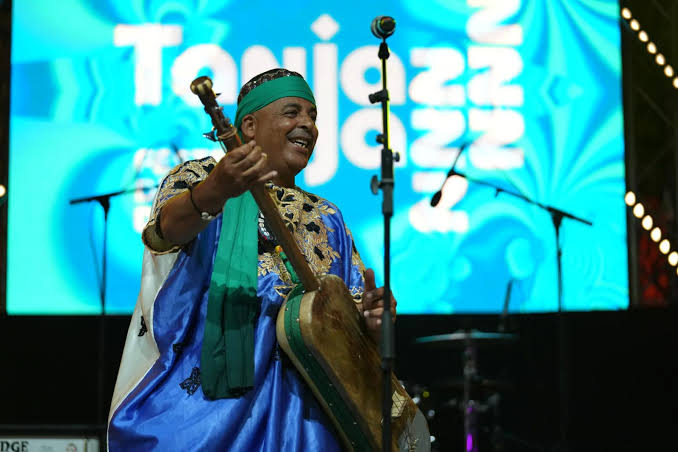
Tanjazz occupies intimate venues across Tangier — a city with a deep tradition of artistic life and international creative exchange.
8. Tbourida: The Festival You Didn't Know to Look For
Beyond the scheduled international festivals lies a circuit of traditional Moroccan celebrations called moussems — religious or cultural gatherings held throughout the year at local and regional level. Many moussems include Tbourida (also known as Fantasia) — a spectacular equestrian display in which teams of riders charge across a field in precise formation and fire antique muskets simultaneously at the peak of their gallop. The tradition is centuries old and has UNESCO Intangible Cultural Heritage status.
Major Tbourida events are held at national level (the National Tbourida Championship takes place annually, typically in October) and at regional level throughout the year, particularly during autumn after harvest. The experience of watching fifty horsemen in full ceremonial dress — embroidered djellabas, silver-decorated rifles, horses adorned with traditional regalia — executing this display is one that does not translate adequately to video. It has to be seen in person.
To find moussem events, ask at your riad, check local Moroccan travel forums (the national tourism office website, visitmorocco.com, maintains a cultural events calendar), or — best of all — ask hotel staff in smaller towns and medinas what is happening locally during your visit. Moussems are not heavily marketed to tourists but are almost never closed to respectful visitors.
Planning Your Festival Trip to Morocco
Accommodation Strategy
The single most important logistical decision for any Moroccan festival trip is where you stay. For the Gnaoua festival, accommodation in the Essaouira medina must be booked six months ahead — mid-year festival, early January booking is not too soon. For the Fes Sacred Music Festival, the Fes el-Bali medina fills within days of the programme announcement. For Mawazine in Rabat, the city's hotel infrastructure is large enough that three months' advance booking is usually sufficient.
Getting Between Festivals
Morocco's rail network connects Casablanca, Rabat, Fes, Tangier and Marrakech with frequent, reliable and inexpensive trains. The high-speed TGV service links Casablanca and Tangier in under two hours. Essaouira and Agadir — neither of which is on the rail network — are best reached by CTM coach from Marrakech or Casablanca, or by rental car for flexibility.
If you are attending multiple festivals in a single trip, the Fes–Mawazine–Gnaoua sequence (May–June) is the most efficient: Fes Sacred Music in late May, Mawazine in late May/Rabat, then travel south to Essaouira for Gnaoua in June. This circuit covers three distinct cities and three very different festival experiences within roughly four weeks.
What to Bring
Morocco in festival season (May–June) is warm to hot in most cities — typically 25–35°C inland, cooler on the Atlantic coast. Essaouira in June is famously windy; evenings can be cold. Fes in late May is warm during the day but outdoor evening concerts call for a light layer. General advice for outdoor festivals:
- A light scarf or shawl — doubles as sun protection during day events and warmth during late-night concerts
- Comfortable shoes — medina festival venues involve a lot of uneven cobblestone walking
- Cash — most festival vendors and smaller venues are cash-only; ATMs near popular medinas can run dry during major festivals
- A local SIM card for mobile data — Airalo eSIM is easiest if you want to sort this before landing
- Sunscreen and a hat for daytime events; the Moroccan sun is stronger than it appears
Book Your Festival Accommodation
Riads and hotels in festival cities fill fast. Search current availability on Booking.com — filter by location within the medina for the best festival experience.
Find Essaouira Stays Find Fes Stays Find Rabat StaysOfficial Festival Websites
- Gnaoua World Music Festival — festival-gnaoua.net
- Festival of World Sacred Music, Fes — fesfestival.com
- Mawazine Festival, Rabat — mawazine.ma
- Jazzablanca, Casablanca — jazzablanca.com
- Timitar Festival, Agadir — festivaltimitar.ma
- Tanjazz, Tangier — tanjazz.org
- Morocco National Tourism — visitmorocco.com
Festival dates and lineups change annually. All information in this article reflects typical scheduling. Verify current-year details at official websites before booking travel. Affiliate links are marked — we may earn a commission at no extra cost to you. See our Affiliate Disclosure.
Frequently Asked Questions
Morocco's music festivals are more than concerts. They are windows into the country's remarkable cultural diversity. From the spiritual rhythms of Fes to the Atlantic energy of Essaouira and the international stages of Rabat, each festival reveals a different side of Morocco. Whenever you choose to visit, chances are a celebration is waiting for you.
The most important thing is to plan ahead — Morocco rewards those who book early and travel with curiosity. Whether you come for the trance music of the Gnaoua maalems, the sacred harmonies of a Sufi ensemble in a medieval courtyard, or simply to sit in a medina square with a glass of mint tea while the music fills the air around you, you will leave with something no ordinary holiday could give you.
Sample Festival Itineraries
Use these as starting points — adjust to match the specific year's festival dates once they are confirmed.
3-Day Gnaoua Trip
Essaouira · June · Free
7-Day Festival Circuit
Rabat → Fes → Essaouira · June
Southern Rose Route
Marrakech → Dadès → Sahara · May