At a Glance
In This Guide
Ten days is the sweet spot for a first trip to Morocco — long enough to go beyond Marrakech, short enough to avoid the itinerary-fatigue that comes from trying to see too much. The two routes below are built around the question every first-timer asks: do I go south to the Sahara, or north to Chefchaouen? The answer, ideally, is both — but most people have to choose.
Which Route Is Right for You?
Route 1 — Grand South Circuit
✦ Recommended for first-timersMarrakech → Aït Benhaddou → Sahara → Fes → Chefchaouen
The classic bucket-list circuit. Three nights in Marrakech, a dramatic drive through the High Atlas and Draa Valley, one unforgettable night sleeping in the Sahara, then up to Fes and the blue streets of Chefchaouen. Maximum variety, maximum wow. Requires a rental car or organised transfers for the desert leg.
Route 2 — Cities & Coast
Best for culture lovers & beach fansMarrakech → Essaouira → Casablanca → Rabat → Fes → Chefchaouen
A more relaxed circuit that trades desert dunes for Atlantic waves and imperial grandeur. Essaouira's whitewashed ramparts, Casablanca's Hassan II Mosque, Rabat's kasbah, and Fes's medieval medina — all without a single 7-hour drive. Ideal for those who prefer trains and taxis over renting a car.
Route 1 — The Grand South Circuit
Marrakech · Aït Benhaddou · Dades Gorge · Sahara (Merzouga) · Fes · Chefchaouen
Arrive Marrakech — Settle In & Jemaa el-Fna
Fly into Marrakech Menara Airport (RAK). Most international flights arrive by early afternoon, giving you time to check into your riad before the evening rush. Taxis from the airport cost around 80–100 MAD; agree the price before getting in.
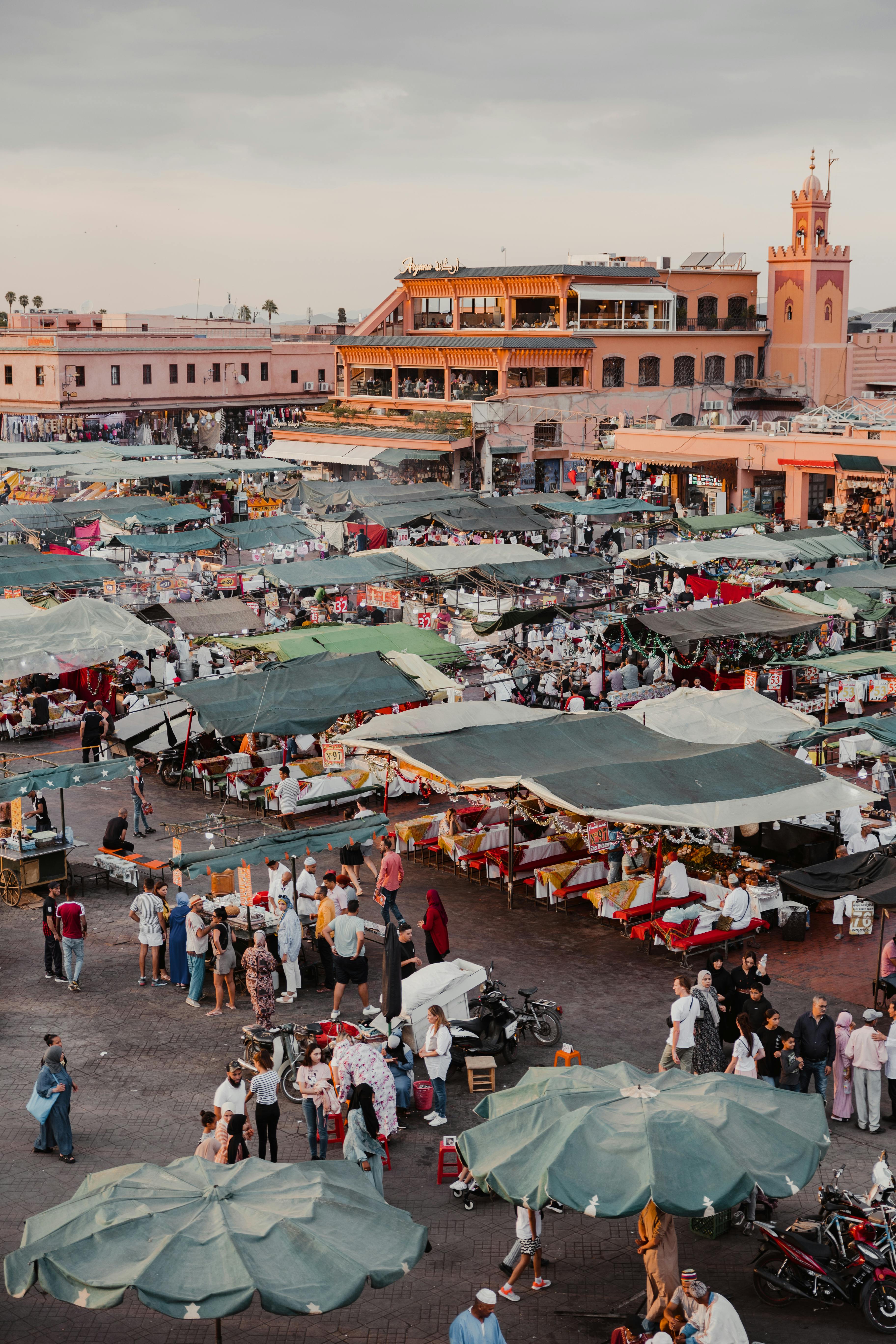
Keep the first evening simple: walk to Jemaa el-Fna as the sun goes down and watch the square transform from daytime market into a carnival of food stalls, snake charmers and musicians. Eat at the stalls or sit at a rooftop café with a mint tea and take it all in. An early night — tomorrow is full.
Marrakech Medina — Souks, Palaces & the Kasbah
Start early at Ben Youssef Madrasa before the crowds arrive — the carved cedar ceilings and zellij tilework are some of the finest in Morocco. Then explore the souks: the spice souk (Rahba Kedima), leather souk, lantern district. Let yourself get pleasantly lost for 2–3 hours.
After lunch in the medina, visit Bahia Palace and the ruins of El Badi Palace, then the Saadian Tombs — one of Marrakech's most underrated sites, especially beautiful in late afternoon light.
Marrakech — Majorelle Garden & the New City
Book Jardin Majorelle tickets online in advance (they sell out). The electric-blue Cubist villa, cobalt fountains and towering cacti are unlike anything else in Morocco. The Yves Saint Laurent Museum next door is worth an hour if fashion history interests you.
Afternoon in the Gueliz district — good coffee, galleries, and dinner at a modern Moroccan restaurant before an early night. Collect your rental car today if you haven't already — you'll need it for an early departure tomorrow.
🏨 Where to Stay in Marrakech
A riad in the medina is the most memorable choice — traditional courtyard houses with ornate tilework, a rooftop terrace and direct access to the souks. Our Best Riads in Marrakech guide covers every price range. Book 4–6 weeks ahead in spring and October.
Search Marrakech Riads on Booking.com → We may earn a small commission at no extra cost to you.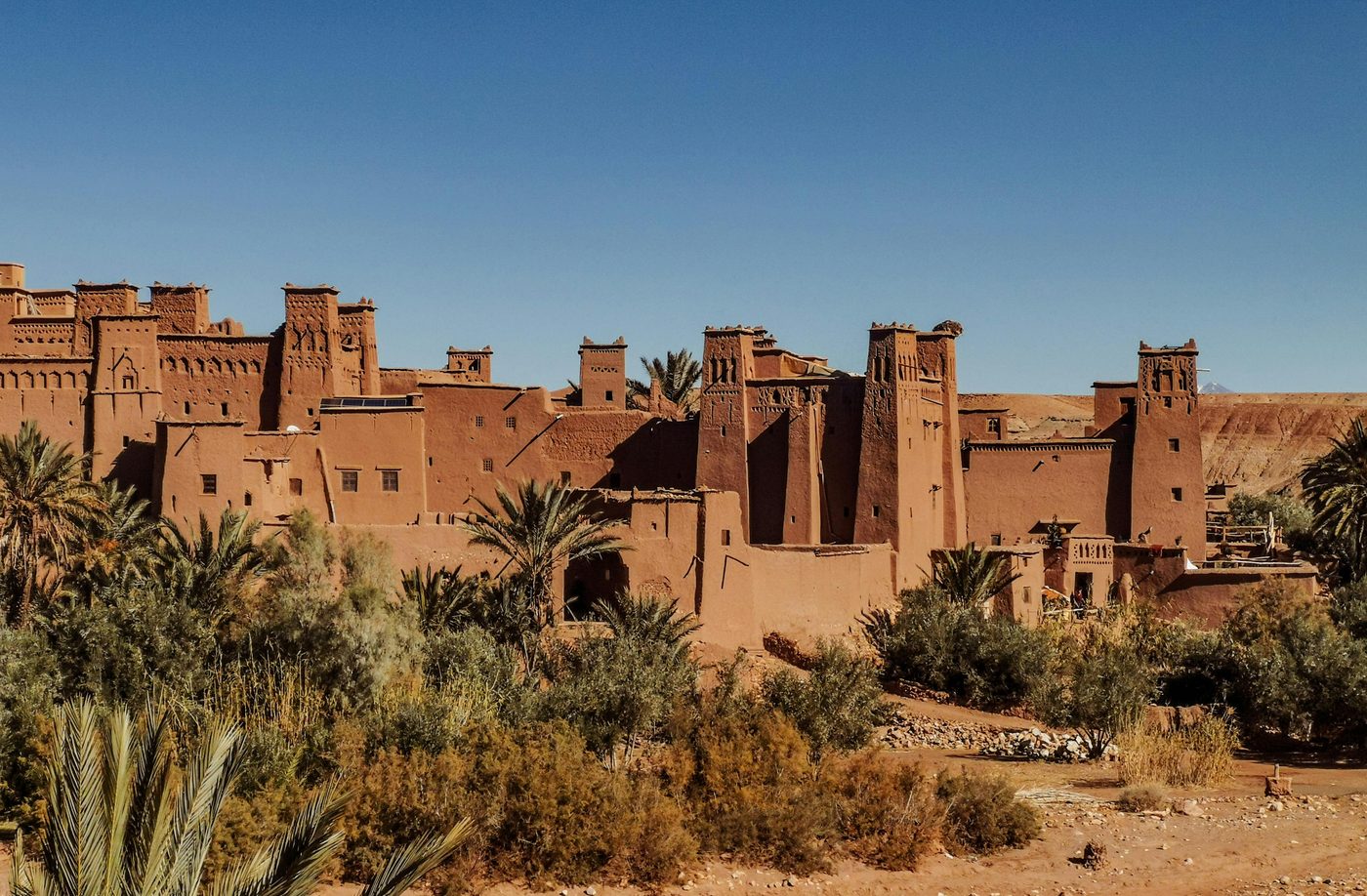
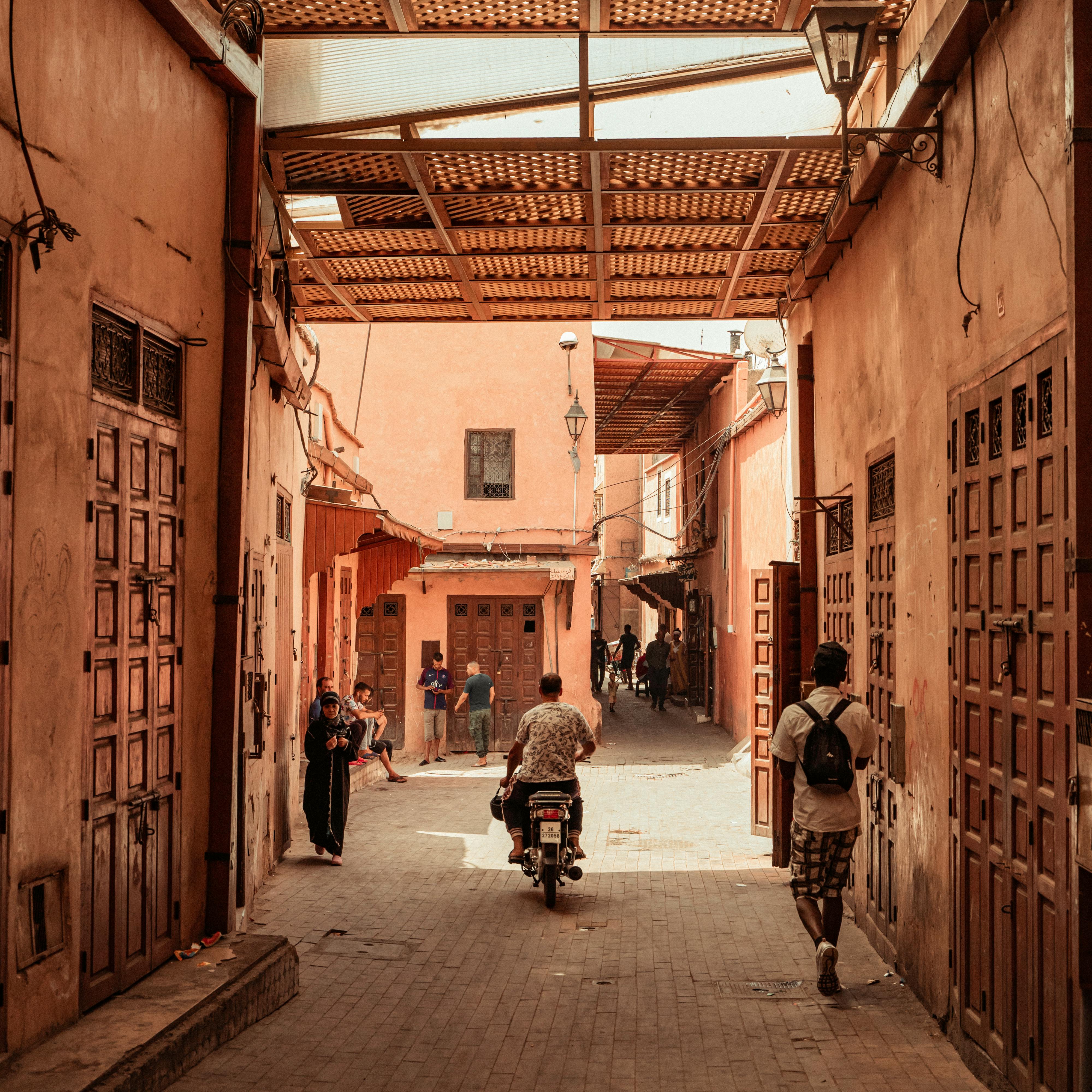
Marrakech's kasbah district — explore on foot, ideally in the early morning before the heat builds
Marrakech → Aït Benhaddou → Dades Gorge
Leave by 7am. The drive over Tizi n'Tichka pass (2,260m) through the High Atlas is one of Morocco's great road journeys — snow-capped peaks in spring, ochre cliffs year-round, Berber villages on impossible ridgelines. Stop at the summit for photos.
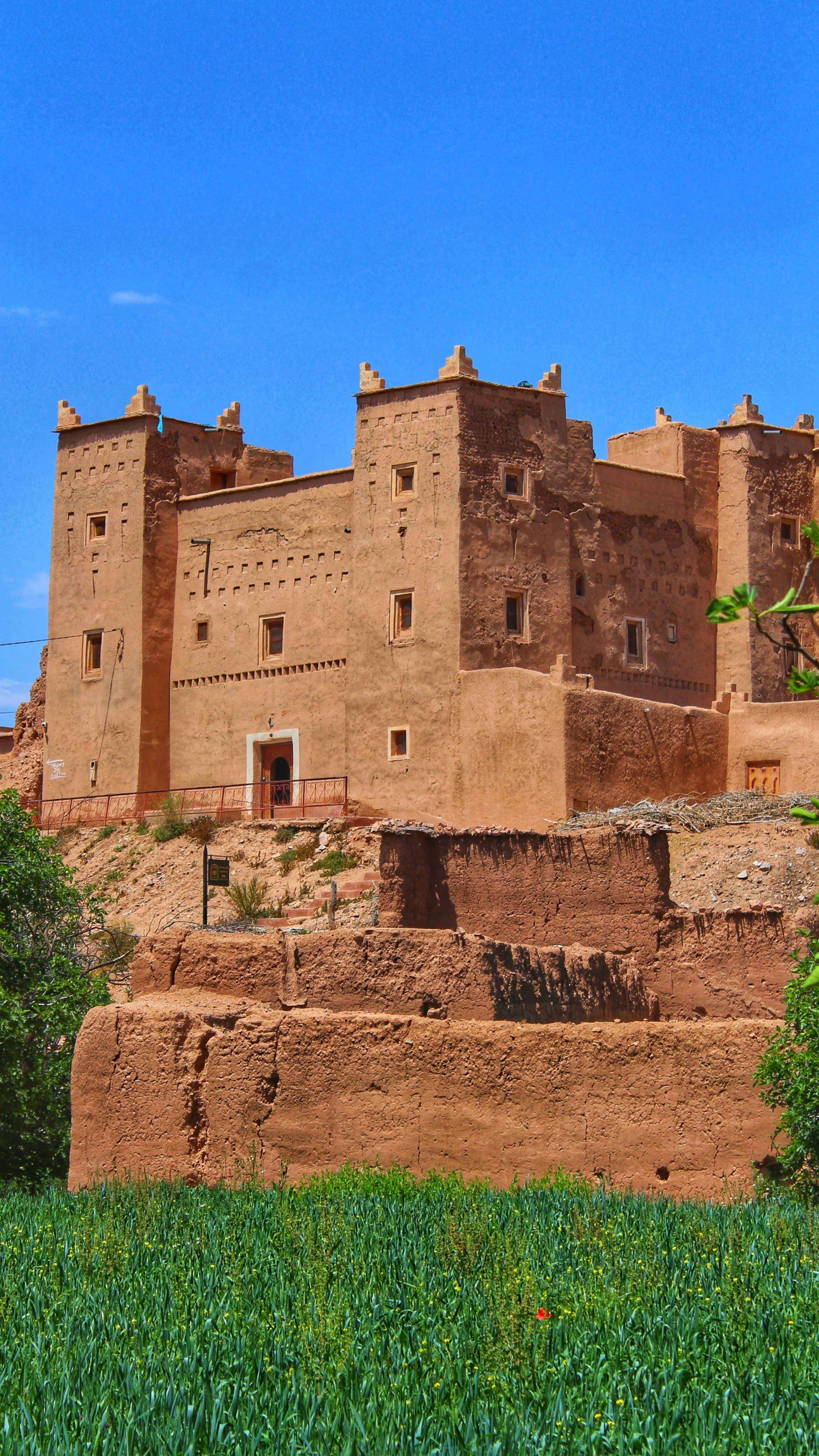
After 3.5 hours, stop at Aït Benhaddou — the Unesco-listed ksar that served as backdrop for Gladiator, Lawrence of Arabia and Game of Thrones. Climb to the top granary for panoramic views. Two hours is enough.
Continue east along the "Road of a Thousand Kasbahs" to Dades Gorge. Check into a gorge guesthouse. The valley goes almost completely dark after 9pm.
Dades → Todra Gorge → Merzouga (Sahara)
A dawn walk into the upper Dades canyon before breakfast — the light in the narrow gorge is extraordinary. Then drive east to Todra Gorge, where 300-metre walls close to just 10 metres apart. Walk the gorge floor, watch rock climbers on the walls above, and have a tagine lunch at a riverside restaurant.
The final drive to Merzouga crosses flat, lunar landscape before the great dunes of Erg Chebbi rise on the horizon. Join a late-afternoon camel trek into the dunes for sunset — the light on the sand at golden hour is extraordinary.
Sahara — Sunrise, Dunes & Stargazing
Wake at 5am for the Sahara sunrise — non-negotiable. The dunes shift from grey-blue to rose-gold to amber in 20 minutes. Bring a jacket; it's cold in the desert before dawn. Your camp will arrange the walk out to a viewpoint.
Spend the morning exploring on foot or by quad bike. Afternoon is for rest and hammam. After dark, the Sahara has virtually zero light pollution — on a clear night the Milky Way is vivid overhead. Your second night in camp or return to Merzouga.
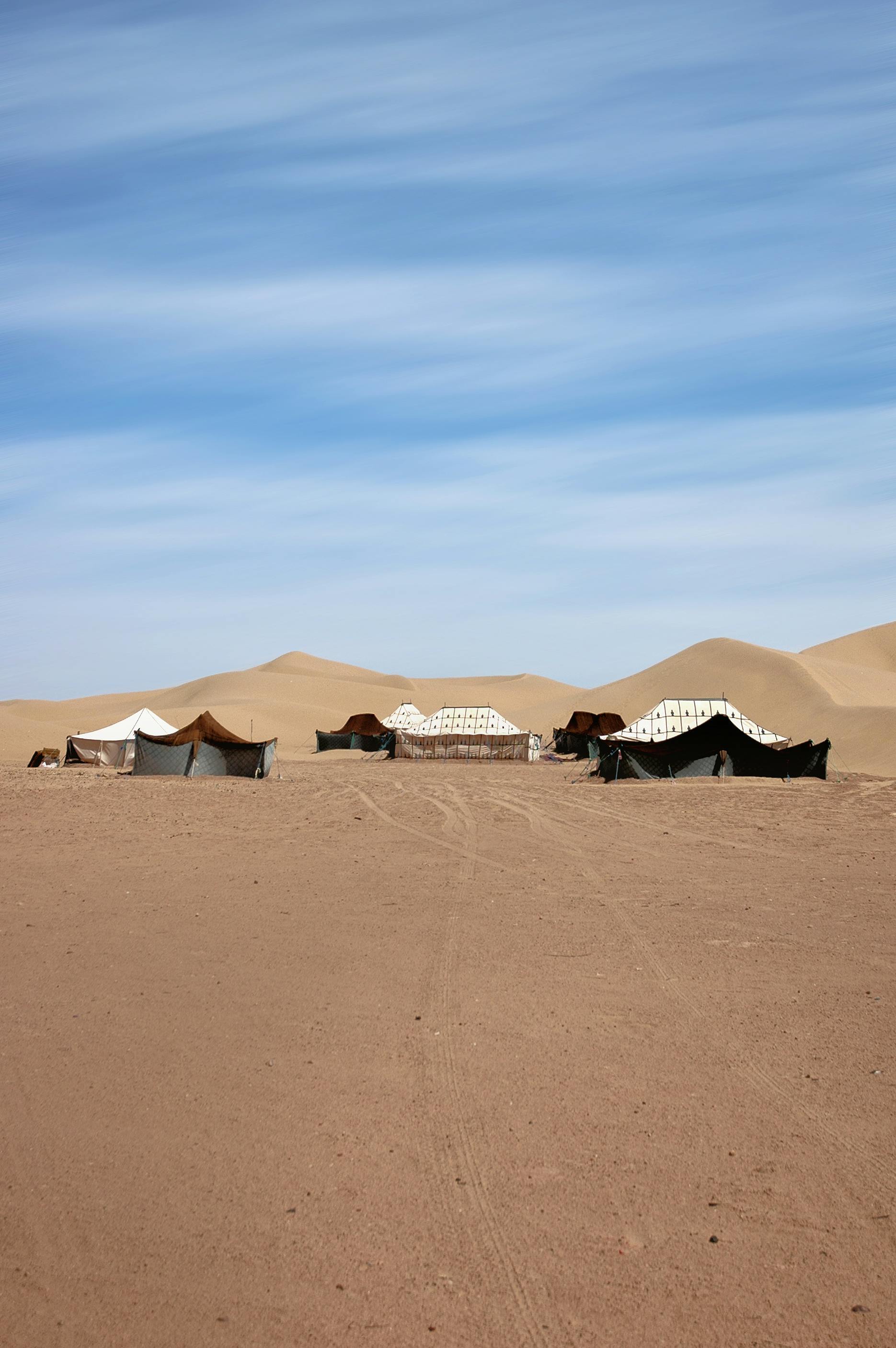
A night in a Sahara bivouac camp — book well ahead for October through April
🐪 Book Your Sahara Experience
Camel treks, overnight bivouac camps and full Merzouga desert tours — book with a reputable operator well in advance for peak season (October–April).
Browse Sahara Experiences on Viator → We may earn a small commission at no extra cost to you.Merzouga → Fes — The Long Drive (or Fly)
The drive from Merzouga to Fes is 6–7 hours via Midelt and Ifrane through the Middle Atlas — cedar forests, Barbary macaques at the roadside, and Morocco's unexpected "Swiss village" at Ifrane (1,650m). Leave by 8am and enjoy the changing landscape. Arrive Fes by evening.
Alternatively, check for flights from Errachidia (ERH) to Fes (FEZ) — seasonal routes exist and save the drive. Arrive Fes, check into a riad in Fes el-Bali, take a short evening walk through the Bou Jeloud gate into the medina and go to bed.
🏨 Where to Stay in Fes
Stay inside Fes el-Bali if your schedule allows — walking to the tanneries and Bou Inania Madrasa from your front door is one of the genuine privileges of Morocco travel. Our Best Riads in Fes guide covers the medina's finest options at every price point.
Search Fes Riads on Booking.com → We may earn a small commission at no extra cost to you.Fes — Chouara Tanneries & the Ancient Medina
Fes el-Bali is the world's largest car-free urban area — 9,000+ alleys, none of them straight. Hire a licensed guide for the morning (your riad will recommend one, around 300–400 MAD for 4 hours). You'll cover twice as much ground and the tanneries need context.
The Chouara Tanneries are the headline: view from leather shops above (free with polite refusal to buy). The coloured vats — chalk white, poppy red, saffron yellow — are unchanged since the 11th century. Bring a mint sprig. Afternoon: Al-Qarawiyyin (world's oldest university, founded 859 AD), Bou Inania Madrasa and Medersa el-Attarine.
Fes → Chefchaouen — The Blue City
Drive 3.5 hours through the Rif Mountains to Chefchaouen. Arrive before 2pm for the best afternoon light in the blue alleys. The medina is small enough to explore without a guide — climb to the Spanish Mosque above town for panoramic views, wander the central plaza (Uta el-Hammam) and explore the dye-washed streets of the old quarter.
Chefchaouen → Casablanca or Tangier — Fly Home
A quiet early morning in Chefchaouen before the day-trippers arrive — the medina at 7am is genuinely serene. Then drive to your departure airport. Casablanca CMN is 3.5h away and has the widest range of international connections. Tangier TNG is only 2h away and is served by Ryanair and other low-cost carriers to Europe.
Route 2 — Cities & Coast
Marrakech · Essaouira · Casablanca · Rabat · Fes · Chefchaouen · Tangier
Marrakech — Two Full Days in the Red City
Follow the same plan as Route 1 Days 1–2: arrive, settle in, evening at Jemaa el-Fna. Day 2 covers the medina, souks and palaces. On Day 2 evening, consider a traditional hammam experience — Hammam el-Bacha is inexpensive and authentic, or book through your riad for a more upmarket version.
Marrakech → Essaouira — Atlantic Wind & Ramparts
The 2.5-hour drive to Essaouira passes through the argan forest (look for goats in the trees — genuinely not a myth). Essaouira is Morocco's most relaxed city: a blue-and-white Atlantic port with Unesco-listed medina, a long sandy beach, and a near-constant ocean wind that makes it the kitesurfing capital of Africa.
Explore the sea bastions and ramparts, browse the covered fish market, and watch craftsmen work with thuya root in the woodworking workshops. Dinner at a harbour-front fish restaurant.
Essaouira → Casablanca — Hassan II Mosque & the Modern City
Drive 3.5 hours north to Casablanca. The afternoon centres on Hassan II Mosque — the world's seventh-largest, built on a promontory over the Atlantic, with a retractable roof and a 210-metre minaret. Guided tours run throughout the day (book online at fmh2.ma to skip queues).
Explore the Art Deco Corniche, the Central Market, and dine in the Gauthier neighbourhood — some of Morocco's best contemporary restaurants are here.
Casablanca → Rabat — Morocco's Quiet Capital
Take the train to Rabat (1 hour, 50 MAD). Rabat is criminally undervisited. The Kasbah des Oudaïas — a 12th-century fortress with an Andalusian garden and views over the Bouregreg estuary — is one of Morocco's most peaceful spots. The Hassan Tower and adjacent Mausoleum of Mohammed V are next to each other and unmissable.
Afternoon in Rabat's medina and Mellah before a train to Fes (2.5h) to arrive by evening.
Fes — Two Days in the World's Oldest Living City
Day 6 covers the tanneries, madrasas and medina (same as Route 1 Day 8). Day 7: take a day trip to Meknes (45 minutes by train) — Morocco's most underrated imperial city, with the spectacular Bab Mansour gate. From Meknes, a 30km drive takes you to Volubilis, North Africa's best-preserved Roman ruins.
Fes → Chefchaouen — Two Nights in the Blue City
Route 2's extra night in Chefchaouen is a significant upgrade. Use it to hike to the Spanish Mosque at sunset (30 minutes from the medina), visit the Ras el-Maa waterfall at the top of the medina, and take an early morning walk through quiet neighbourhoods before the day-trippers arrive from Fes. Day 9 can include a half-day hike into the Rif Mountains above town.
Chefchaouen → Tangier — Fly Home
Tangier is just 2 hours from Chefchaouen — an easy end-point for this northern route. If time allows before your flight, the Kasbah Museum, Grand Socco and the Terrasse des Paresseux — a terrace with views across the Strait of Gibraltar to Spain — are all within walking distance of the centre. Tangier airport (TNG) is 15 minutes from the city.
🏨 Book Hotels Along Your Route
Riads in Marrakech and Fes book out weeks ahead in spring and October. Search all properties across Morocco — free cancellation on most bookings.
Search on Booking.com → We may earn a small commission at no extra cost to you.Getting Around Morocco
| Option | Best For | Cost | Notes |
|---|---|---|---|
| Rental car | Route 1 (Sahara) — essential | €25–50/day + fuel | Book ahead; inspect for pre-existing damage before signing; fill tank in Ouarzazate |
| ONCF Train | Casablanca–Rabat–Fes–Tangier corridor | 50–200 MAD/leg | Fast, comfortable, reliable. No trains to Sahara, Chefchaouen or Essaouira |
| CTM Bus | City-to-city, no train alternative | 60–150 MAD/leg | Comfortable and punctual. Book at ctm.ma. Covers Fes ↔ Chefchaouen, Marrakech ↔ Agadir |
| Shared grand taxi | Short hops, flexible routing | 30–80 MAD/seat | Leave when full; negotiate firmly. Faster than bus for short routes |
| Private transfer | Sahara camp → Fes (long haul) | €80–150 | Your riad or desert camp can arrange. Good if you prefer not to drive the desert leg |
What to Book Before You Go
- Riads in Marrakech and Fes — 4–6 weeks ahead for spring and October; 1–2 weeks for low season
- Majorelle Garden tickets — at jardinmajorelle.com; up to 2 weeks ahead in peak season
- Desert bivouac camp — directly or via GetYourGuide/Viator; 2–4 weeks ahead for October–April
- Hassan II Mosque tour — at fmh2.ma to skip queues
- Rental car — 2–4 weeks ahead for spring and October
- Travel insurance — before you fly; not at the airport
- eSIM data — an Airalo Morocco eSIM gives you data from the moment you land
Budget Breakdown — Per Person, 10 Days
| Category | Budget | Mid-range | Comfort |
|---|---|---|---|
| Accommodation (9 nights) | €180–270 | €450–720 | €900–1,800+ |
| Food & drink | €80–120 | €150–250 | €300–500 |
| Transport | €100–150 | €200–300 | €300–600 |
| Entrance fees & guides | €40–60 | €80–120 | €120–200 |
| Sahara camp (1 night) | €30–50 | €80–120 | €200–400 |
| Total per person | €430–650 | €960–1,510 | €1,820–3,500+ |
🛡️ Travel Insurance — Don't Skip It
Morocco involves long mountain drives, camel rides and Sahara trekking — activities many standard policies exclude. World Nomads covers adventure activities and medical evacuation.
Get a World Nomads Quote → We may earn a small commission at no extra cost to you.