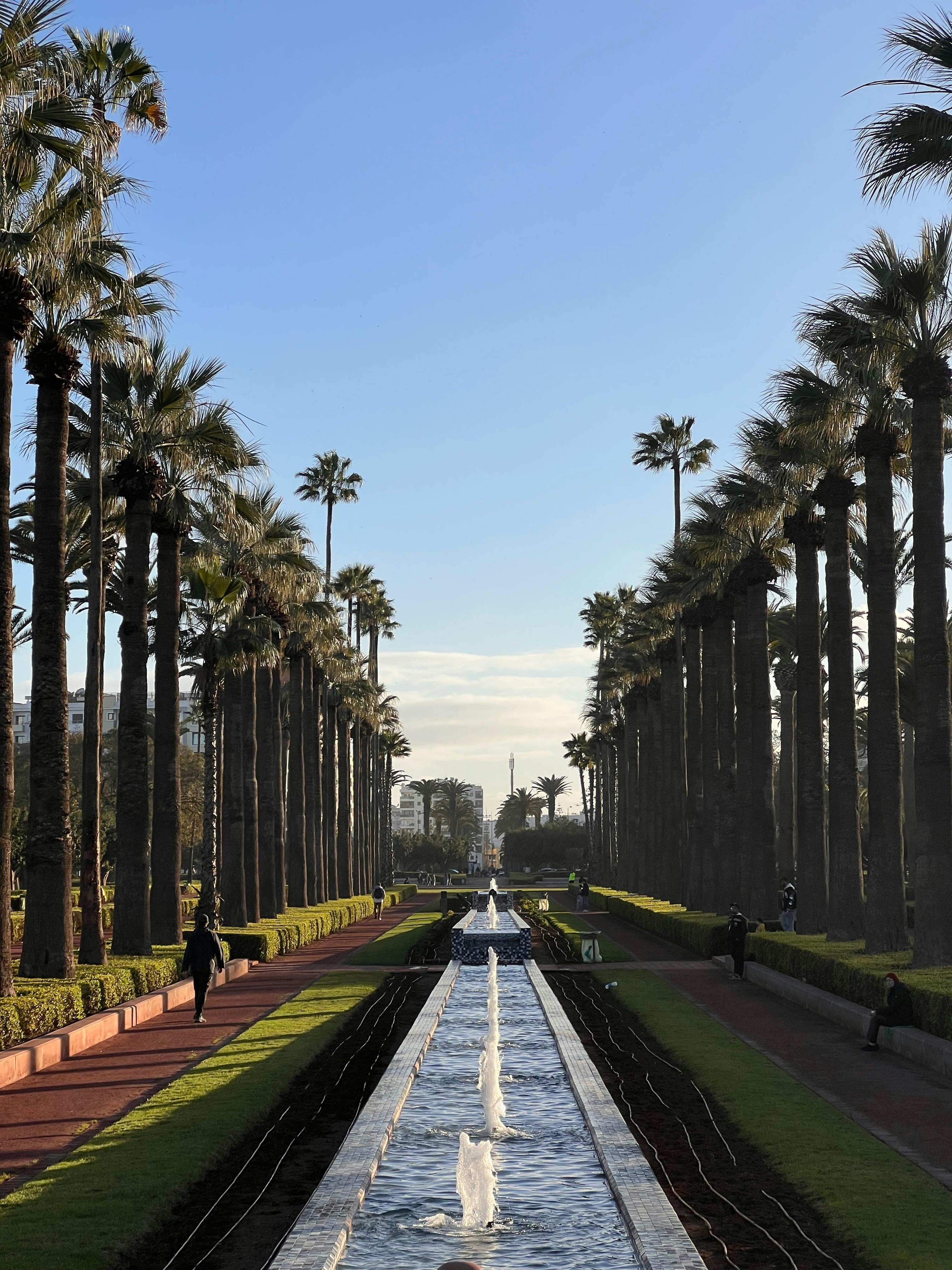
Morocco has become one of the most compelling destinations for expats, retirees and remote workers from Europe and North America. The reasons are straightforward: a low cost of living, a warm climate, rich culture, good infrastructure, proximity to Europe (Casablanca is 3 hours from Paris, 2h40 from Madrid), and a genuine quality of life that is harder to find at home for the same money.
This guide covers everything — the practical realities of finding an apartment, opening a bank account, navigating healthcare, getting a residency permit, and choosing which city suits your lifestyle. It is built on real experience, updated regularly, and written without the rose-tinted filter of a travel blog.
Expat Morocco — Complete Guide Series
Everything you need, topic by topic. New guides added regularly — bookmark this page and subscribe below for updates.
Cost of Living in Morocco 2026
Rent, groceries, restaurants, transport and utilities — real numbers from Casablanca, Marrakech, Rabat and Tangier.
Read Guide →Renting an Apartment in Morocco
How to find an apartment, what to expect from landlords, what contracts look like, and the neighbourhoods expats actually live in.
Read Guide →Healthcare in Morocco for Expats
Public vs private hospitals, the best clinics in each city, health insurance options, and what things actually cost.
Read Guide →Banking in Morocco as a Foreigner
Which banks accept expats, what documents you need, how to transfer money in and out, and the best international cards to use.
Read Guide →Morocco Residency Visa — Carte de Séjour
How to get long-term residency in Morocco — the documents, the process, the timeline, and what happens if you overstay your 90 days.
Read Guide →Best Cities for Expats in Morocco
Casablanca vs Rabat vs Marrakech vs Tangier vs Essaouira vs Agadir — which city suits your lifestyle, budget and priorities as a foreigner.
Read Guide →Moving to Morocco — The Complete Expat Guide
Visas, residency, finding a home, cost of living, banking, healthcare and a full pre-move checklist. Everything before you make the move.
Read Guide →Retiring in Morocco — The Complete Guide
Residency, healthcare, cost of living, best cities and practical advice for retiring in Morocco on a European or North American pension.
Read Guide →Morocco Tax Guide for Expats 2026
Income tax rates, pension exemptions, double-taxation treaties, and how to file — country-by-country guidance for Americans, British, French, Canadians and more.
Read Guide →Buying Property in Morocco — The Complete Guide
Titre foncier vs. melkia, the 8-step buying process, Office des Changes rules, purchase costs, and the ten mistakes foreign buyers make.
Read Guide →Cost of Living Snapshot — 2026
Morocco is genuinely affordable by European and North American standards. A comfortable single-person lifestyle in Casablanca or Rabat — including a decent apartment, restaurants, transport and social life — costs between €600 and €1,200 per month depending on your habits. Marrakech and Tangier are slightly cheaper; the Atlantic coastal towns cheaper still.
| Expense | Budget | Comfortable | Notes |
|---|---|---|---|
| 1-bed apartment (city centre) | 4,000–6,000 MAD | 7,000–12,000 MAD | Casablanca / Rabat. Marrakech cheaper. |
| Groceries (1 person/month) | 1,200–1,800 MAD | 2,000–3,000 MAD | Local markets very affordable. Imported goods expensive. |
| Restaurant meal (local) | 40–80 MAD | 150–300 MAD | Tagine at a local resto: ~50 MAD. European restaurant: 200+ MAD. |
| Mobile data (monthly) | 50–100 MAD | 100–200 MAD | Maroc Telecom, Orange, Inwi all offer competitive plans. |
| Utilities (electric/water) | 300–500 MAD | 600–1,000 MAD | Varies significantly with A/C use in summer. |
| Taxi (per km) | ~3–4 MAD/km | — | Petit taxis are cheap. Always agree price or use meter. |
| Private health insurance | 300–500 MAD/mo | 700–1,500 MAD/mo | Good local plans available. International plans 3–5x more. |
Exchange rate reference: 1 EUR ≈ 10.8 MAD · 1 USD ≈ 10.0 MAD (2026 approximate). Prices updated June 2026.
Why Expats Choose Morocco
Proximity to Europe
No other African country sits this close to Europe. Casablanca is 3 hours from Paris, 2h40 from Madrid, 3h30 from London. Low-cost carriers (Ryanair, easyJet, Transavia) connect Morocco to dozens of European cities year-round. You can fly home for a long weekend and be back in Morocco before Monday. For Europeans, this is the decisive advantage over Southeast Asia or Latin America.
The Climate
Atlantic coastal cities — Casablanca, Rabat, Tangier — enjoy a Mediterranean climate with mild winters (rarely below 8°C) and warm but bearable summers (25–30°C). Marrakech is hotter in July and August (40°C+) but stunning from October to May. Agadir is arguably the most consistently pleasant — warm sunshine almost year-round with Atlantic breezes keeping the heat manageable.
The Culture & Food
Moroccan culture is warm, family-oriented and genuinely welcoming to foreigners. The food alone — tagine, couscous, pastilla, fresh seafood on the Atlantic coast, the medina market culture — is a significant quality of life upgrade for many expats. The combination of Arab, Berber, French and Andalusian cultural layers gives Moroccan cities a depth and complexity that most expat destinations lack entirely.
The Cost Advantage
A retired couple living comfortably in Casablanca — good apartment, eating well, travel within Morocco — can do so for €1,500–2,000 per month combined. The same lifestyle in Lisbon, Barcelona or even parts of Eastern Europe would cost 2–3 times more. For anyone on a fixed pension or passive income, Morocco makes the numbers work in a way that much of Western Europe no longer does.
Best Cities for Expats — Quick Comparison
🏙 Casablanca — For the Urban Professional
Morocco's economic capital is the most modern, most connected city in the country. Best infrastructure, best hospitals, best international schools, most international flights. Higher cost of living than other cities but still affordable by European standards. The least "exotic" of Morocco's cities — but the most functional for working expats and families.
👑 Rabat — For the Quiet Life
The capital is smaller, calmer and cheaper than Casablanca. Beautiful medina, excellent quality of life, less traffic. Many diplomats, NGO workers and government-adjacent expats base themselves here. Strong French-speaking community. Underrated by most expat guides.
🌹 Marrakech — For the Lifestyle Expat
The most seductive city in Morocco — riads, souks, the High Atlas, world-class restaurants. Popular with creative expats, retirees and remote workers who value beauty over practicality. Weaker on hospitals and international schools than Casablanca. Summers are very hot.
⚓ Tangier — For Europe Access
35 minutes by ferry from Spain, with a rapidly improving infrastructure and a growing expat scene. Cheaper than Casablanca, cooler than Marrakech. Increasingly popular with northern Europeans who want Morocco's lifestyle without losing easy access to Europe.
🌊 Essaouira — For the Creative & the Slow Life
The windswept Atlantic medina is Morocco's most quietly seductive city for expats who value atmosphere over infrastructure. UNESCO-listed old town, a permanent arts scene, world-class kite and surf conditions at Moulay Bouzerktoun nearby, and a daily rhythm that simply slows you down. A good apartment costs 3,000–5,000 MAD/month — significantly cheaper than Marrakech, with a fraction of the tourist crowds. The tradeoff: limited hospital infrastructure, no direct international flights, and the famous Alizé wind that never stops blowing. Perfect for writers, artists, remote workers and early retirees. Not ideal for families needing international schools or frequent flights home.
☀️ Agadir — For the Sun Seeker & Retired Couple
If your priority is reliable sunshine, a proper beach and a comfortable modern city with good services, Agadir is the answer. Rebuilt entirely after the 1960 earthquake, it lacks the historic medina character of Morocco's imperial cities — but compensates with the best climate in the country (300+ sunny days a year), a strong private healthcare sector, excellent supermarkets, and the most established expat community in Morocco outside Casablanca. The cost of living is moderate — a comfortable two-bedroom apartment runs 6,000–10,000 MAD/month in the better neighbourhoods. The city feels more European than Moroccan in places, which suits some expats perfectly and disappoints others expecting a more immersive Moroccan experience. Particularly popular with retired French and Spanish expats who want sun, comfort and proximity to Europe.
⛺ The Camping Option — Living in Morocco for 6 Months
There is a version of living in Morocco that most expat guides ignore entirely: the camping route. For adventurous travellers, digital nomads or retirees who want to experience the whole country before committing to a city, Morocco's camping infrastructure offers an exceptional — and genuinely affordable — way to spend a full 6 months.
Morocco allows EU and US citizens to stay 90 days visa-free. A short border crossing (Ceuta, Melilla, or the ferry to Tarifa) resets the clock for another 90 days. Many long-stay visitors string two 90-day periods together — spending spring and autumn on Morocco's Atlantic coast, dipping south toward the Sahara in winter, retreating to the mountains in summer. The full loop is one of the most rewarding slow-travel routes in the world.
What It Costs to Camp in Morocco
Established campsites along the Atlantic coast — from Asilah and Larache in the north to Sidi Ifni, Mirleft and Dakhla in the south — charge between 40 and 120 MAD per night (under €12) for a pitch with electricity and basic facilities. A family of two spending a month on a campsite pays roughly 1,500–3,000 MAD (€140–280) in pitch fees — plus food, fuel and activities. In the Sahara region around Merzouga and M'Hamid, longer-stay arrangements with Berber camps can often be negotiated directly for 2,000–4,000 MAD/month including meals. Wild camping in the High Atlas Mountains costs nothing except the effort of getting there.
The Route: Atlantic Coast to Sahara to Atlas
The classic 6-month Morocco camping circuit moves with the seasons. Spring (March–May): Atlantic coast north — Asilah, Larache, Moulay Bousselham, Essaouira. Warm enough for the beach, cool enough for hiking. Early summer (June–July): Dakhla and the far south — the Atlantic Sahara, where the temperature is moderated by constant wind. The best kitesurfing on the continent. Autumn (September–November): Back north or into the Atlas Mountains — Ouarzazate, the Draa Valley, Toubkal. Winter (December–February): Merzouga and the Sahara — cold nights, perfect sunny days, the most dramatic landscape in Morocco.
⛺ Explore Morocco's Camping Routes
We are building a dedicated Morocco camping section — campsite reviews, Atlantic coast routes, Sahara camps, Atlas wild camping, and the complete nomad guide to living in Morocco for 6 months. Subscribe below to be notified when it launches.
Explore Dakhla — Morocco's Kite & Camping Capital → Essaouira Camping & Coast Guide → Full Morocco camping guide launching 2026 — subscribe below to be notified when the full guide launches.🏨 Find Long-Stay Accommodation in Morocco
Whether you're arriving for a first visit to scope things out or need a furnished apartment for your first months, these platforms have Morocco's best options.
Browse on Booking.com → Browse on Airbnb → Affiliate links — we may earn a commission at no extra cost to you.Health Insurance for Expats in Morocco
Private health insurance is strongly recommended for all expats in Morocco, particularly for the first year before you establish local coverage. Morocco's public healthcare system (RAMED/AMO) is available to long-term residents but the quality of public hospitals is inconsistent. Private clinics in Casablanca, Rabat and Marrakech are of a good standard — but costs without insurance can add up quickly for anything beyond a basic consultation.
International travel insurance with extended stay coverage is a practical solution for the first 90 days. For longer stays, local Moroccan private health insurance plans (CNOPS, CNSS or private insurers like Allianz Maroc, AXA Assurance Maroc) offer reasonable coverage at competitive rates.
🛡️ Travel & Expat Health Insurance
World Nomads covers extended stays, adventure activities and medical emergencies — and you can buy or extend your policy even after you've already arrived in Morocco.
Get a Quote from World Nomads → We receive a fee when you get a quote from World Nomads using this link. We do not represent World Nomads. This is not a recommendation to buy travel insurance.