🚗 Quick Facts — Car Rental in Morocco
Contents
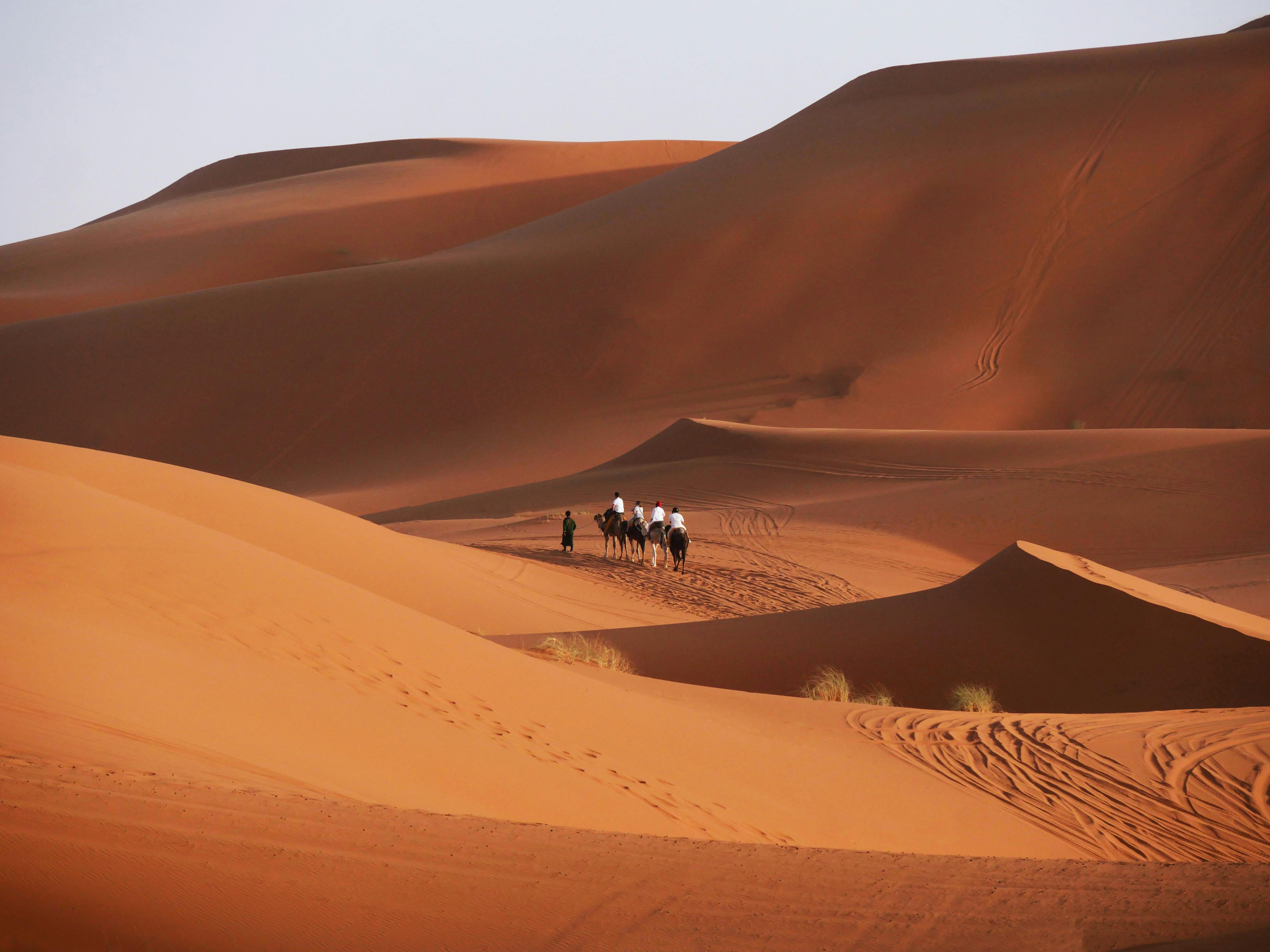
Renting a car is without question the best way to see Morocco properly. The country's most breathtaking landscapes — the Sahara dunes of Merzouga, the Draa Valley palm groves, the mountain passes of the High Atlas, the empty Atlantic coast between Essaouira and Agadir — are simply not accessible by bus or tour group on any reasonable schedule. A car gives you the freedom to stop when a view demands it, sleep in a village nobody has heard of, and take the road that doesn't appear on the itinerary.
That said, driving in Morocco is not the same as driving in France or Spain. The roads vary enormously in quality, the driving culture takes some adjustment, and renting through the wrong channel can cost you significantly more than it needs to. This guide covers everything — from which licence you need to which car to choose, where roads get challenging, and exactly how to find the best deal.
Is Renting a Car in Morocco Worth It?
For most visitors, yes — particularly if you plan to spend more than four or five days in the country or want to explore beyond the main cities. The public transport network covers the major city-to-city routes well enough: CTM buses connect Casablanca, Marrakech, Fes, Tangier and Agadir reliably and cheaply, and the train network between Casablanca, Rabat, Fes and Tangier is genuinely excellent. But beyond those corridors, you are largely dependent on grands taxis (shared long-distance taxis) and local buses that run on unpredictable schedules.
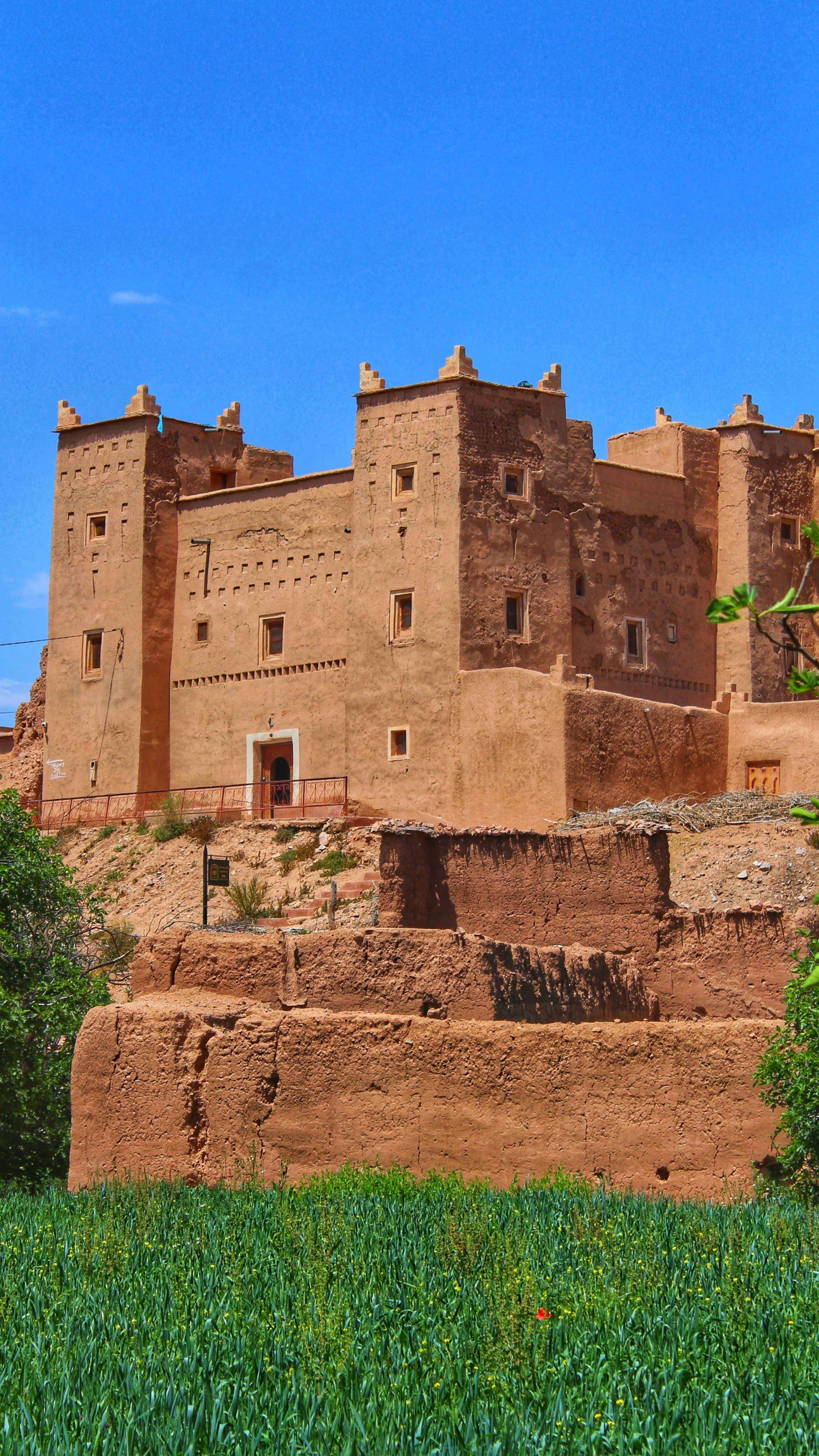
If your itinerary includes the Sahara, Chefchaouen, the Draa Valley, Ait Benhaddou, the Dades Gorge, Essaouira, or any of the smaller coastal or mountain towns, a rental car transforms a complicated multi-leg journey into a straightforward drive. The roads between these destinations are in reasonable condition, scenery along the way is often as good as the destination itself, and petrol remains affordable by Western European standards.
Compare Morocco Car Rental Deals
Rentalcars.com compares all the major agencies at every Moroccan airport and city centre — Casablanca, Marrakech, Agadir, Fes, Tangier and more. Booking in advance online is almost always 30–50% cheaper than walking up to the airport desk.
Compare Morocco Car Rental Prices → Affiliate link — MoroccoPassport.com may earn a commission at no extra cost to you. Full disclosure.Licence and Age Requirements
Morocco recognises driving licences from most countries, including all EU member states, the United Kingdom, the United States, Canada, Australia, and most other Western nations. If you hold a valid full driving licence from one of these countries, you are legally entitled to drive in Morocco for up to 90 days without any additional documentation.
The International Driving Permit (IDP) is not a strict legal requirement for most Western nationalities, but it is strongly recommended. An IDP is simply a translation of your driving licence into multiple languages, including Arabic and French. At police checkpoints — which are common in Morocco, particularly on main roads — officers who cannot read your home country licence may wave you through with an IDP when they might otherwise detain you while they attempt to verify the document. The IDP costs very little (typically around £5–$20 in your home country) and takes minutes to obtain through your national automobile association. It is genuinely worth getting before you travel.
Your licence must have been held for a minimum of one year at the time of rental. Most agencies will require you to present the original licence (not a copy) along with your passport at pickup. Credit cards are generally required for the deposit — debit cards are not accepted by most international agencies at Moroccan airports.
Which Type of Car Do You Need?
The right car depends entirely on where you plan to go. Morocco has an excellent motorway network connecting its major cities, and most of the popular tourist routes between Marrakech, Fes, Agadir and the Atlantic coast are on perfectly tarmacked roads. But venture off the main routes and conditions change quickly.
Insurance — What You Actually Need
Car rental insurance in Morocco can be confusing, and rental agencies at airports are notorious for pressuring customers into expensive add-ons at pickup. Understanding what you need before you arrive saves both money and stress.
What is included as standard
By law, all rental cars in Morocco come with third-party liability insurance — this covers damage or injury you cause to other people and their property. It does not cover damage to the rental car itself or theft of the vehicle.
Collision Damage Waiver (CDW)
CDW reduces your financial liability if the car is damaged in an accident. Most international booking platforms include a basic CDW in the quoted price. However, it typically comes with a significant excess (deductible) — often MAD 5,000–15,000 (roughly €450–€1,350) that you would owe in the event of even minor damage. You can reduce this excess to zero by purchasing Super CDW (also called full protection) either through the booking platform or at pickup.
The smartest approach
Many travellers use a credit card with complimentary car rental insurance (common with premium Visa, Mastercard and Amex products) to cover the CDW excess — check your card's terms carefully before relying on this. Alternatively, a comprehensive travel insurance policy that includes car rental excess cover is often cheaper than buying Super CDW from the rental agency at the airport.
Travel Insurance That Covers Car Rental Excess
World Nomads travel insurance policies include cover for car rental excess in Morocco, along with medical emergencies, trip cancellation and adventure activities. Getting covered before you pick up the keys is far cheaper than buying Super CDW at the airport desk.
Get a Quote from World Nomads → Affiliate link — commission earned at no extra cost to you.Road Conditions Across Morocco
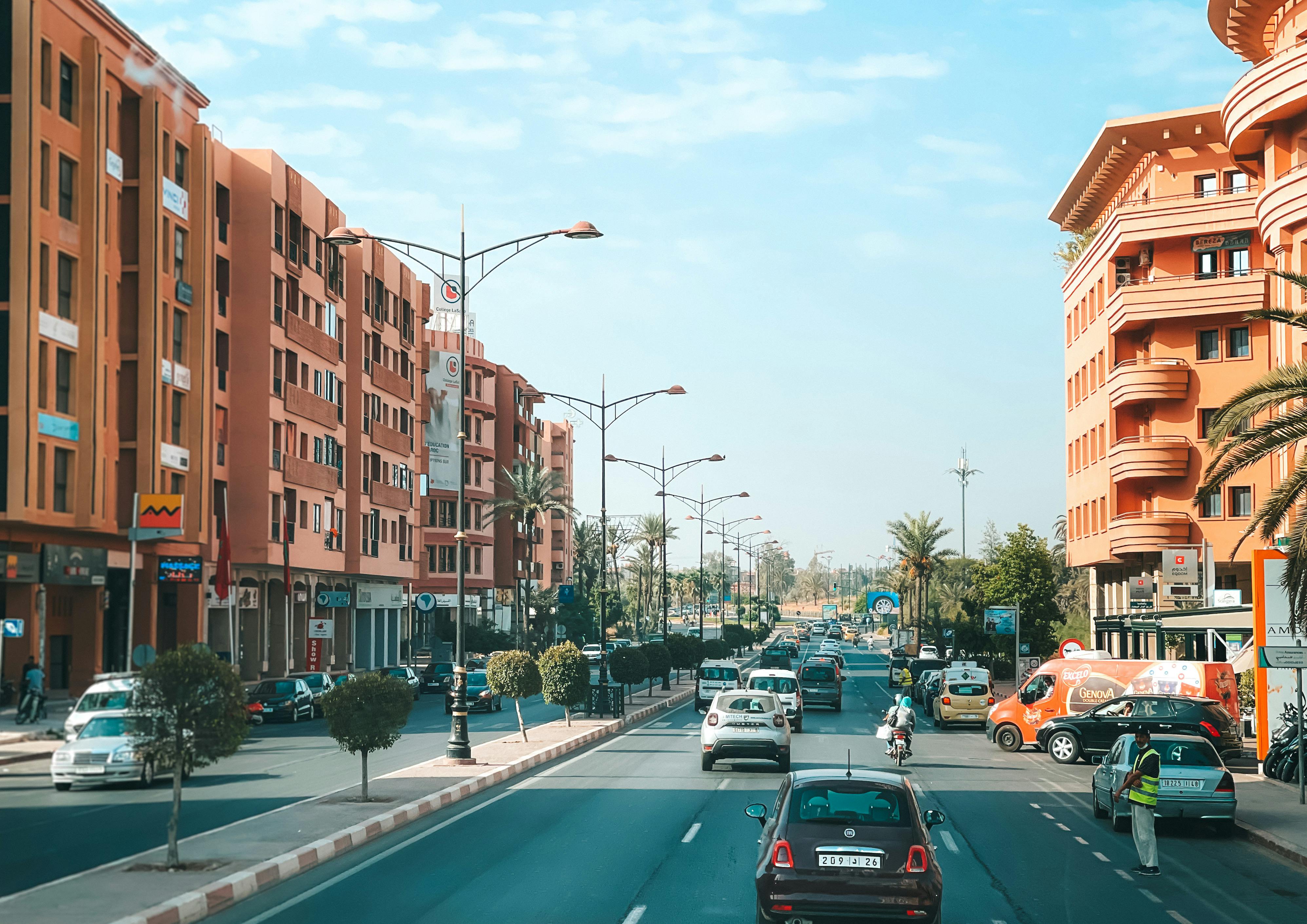
Morocco has invested heavily in its road network, and the main routes between cities are in excellent condition — often better than equivalent routes in Southern Europe. The motorway (autoroute) network covering the Atlantic corridor and connecting Casablanca to Marrakech, Rabat, Fes and Tangier is modern, well-maintained and fast. Where conditions become more variable is on secondary roads and mountain routes.
| Route / Area | Road Quality | Notes |
|---|---|---|
| Casablanca — Marrakech (A7 motorway) | Excellent | Modern motorway, toll road. ~2.5 hrs. Recommended. |
| Marrakech — Agadir (A7/N1) | Excellent | Scenic Atlantic coast option available. ~2.5 hrs. |
| Fes — Chefchaouen (N13) | Good | Mountain road, some curves. Stunning scenery. |
| Marrakech — Ouarzazate (N9, Tizi n'Tichka pass) | Moderate | High-altitude mountain road, tight bends. Impressive but requires care. Snow possible Nov–Mar. |
| Ouarzazate — Merzouga (N10) | Good | Long desert drive, fully paved. Petrol stations sparse — fill up in Tinghir or Erfoud. |
| Dades & Todra Gorges | Moderate | Narrow, dramatic gorge roads. Slow driving essential. Beautiful. |
| Draa Valley villages | Variable | Mix of paved and unpaved. SUV recommended. |
| Remote Atlas pistes | Off-road | 4x4 required. Not recommended without local knowledge. |
Driving Tips and Road Rules
Drive on the right. Morocco uses the same driving orientation as continental Europe and North America. Steering wheels are on the left side of the car.
Speed limits: 120 km/h on motorways, 100 km/h on national roads, 60 km/h in urban areas unless otherwise signed. Speed cameras are widely deployed on main routes and are taken seriously — fines are issued on the spot by police. Do not exceed the limits.
Police checkpoints are routine. Morocco operates frequent road checkpoints, particularly on national roads outside of cities. Have your passport, driving licence, rental agreement, and IDP within easy reach. Officers are generally courteous and the process is quick. Simply stop, present your documents when requested, and proceed.
Animals on the road. Donkeys, goats, sheep, and occasionally camels share the road in rural Morocco — particularly in the south. This is not a metaphor. Drive at reduced speed on rural roads, especially at dawn and dusk when animals are being moved between grazing areas.
Night driving outside cities. Road lighting is sparse on rural routes. Hazard vehicles (overloaded trucks, slow-moving tractors, animal carts) are often poorly lit. If possible, plan your driving to arrive at destinations before dark, particularly on mountain and desert routes.
Petrol stations. Plentiful in cities and along main routes. On long desert or mountain drives, fill up whenever you see a station — intervals of 100+ km with no fuel are possible on southern routes. Gasoil (diesel) is slightly cheaper than essence (petrol) and is the more common fuel type.
Where to Pick Up Your Rental Car
The major international airports have both international agency desks (Hertz, Avis, Europcar, Sixt, Budget) and local Moroccan agencies. The international agencies offer more predictable quality and better insurance terms. Local agencies can be significantly cheaper but vary widely in fleet condition and customer service if problems arise.
Casablanca Mohammed V Airport (CMN) is Morocco's main international hub and has the widest choice of rental agencies. Marrakech Menara (RAK), Agadir Al Massira (AGA), Fes Saïss (FEZ), and Tangier Ibn Battouta (TNG) all have good agency coverage. City-centre pickup is also available in most major cities and is sometimes cheaper than airport pickup, though the airport surcharge is usually modest.
One important note: many rental cars in Morocco have stickers or marks identifying them as rental vehicles. This is normal and does not affect your trip — but it does mean that, as with any country, you should lock the car and avoid leaving valuables visible in parked vehicles.
How to Find the Best Deals
The single most effective thing you can do is book in advance through a comparison platform rather than at the airport desk. Walk-up prices at Moroccan airport counters are routinely 30–50% higher than pre-booked rates for the same car. Prices also increase sharply during the summer months (July–August) and in the lead-up to the 2030 World Cup.
Book as early as possible for peak season travel. Most platforms allow free cancellation up to 24–48 hours before pickup, so there is no downside to reserving early and adjusting later if your plans change. Compare across platforms — Rentalcars.com aggregates inventory from multiple agencies at each location and typically surfaces the best available rates.
Find the Best Car Rental Deals in Morocco
Compare prices across all agencies at Casablanca, Marrakech, Agadir, Fes, Tangier and every major pickup location. Free cancellation on most bookings. Prices confirmed instantly.
Compare Morocco Car Rental → Affiliate link — we earn a small commission if you book through this link, at no extra cost to you.