Dakhla — At a Glance
📋 In This Guide
Most travellers arrive in Dakhla with a kite on their back and leave with something harder to pack: a deep, slightly disorientating sense of space. This is Morocco at its most elemental — a 40-kilometre lagoon of impossibly turquoise water carved into the Saharan coast, flanked by golden dunes that dissolve into the Atlantic. There are no ancient medinas here, no souks selling carpets to reluctant tourists. What Dakhla offers instead is wind, water, silence, and an extraordinary natural spectacle that has made it one of the world's premier destinations for kitesurfing, windsurfing and stand-up paddleboarding.
It is also, quietly, one of the most surprising food destinations in Morocco. The lagoon's warm, sheltered shallows produce some of the finest oysters on the African continent, and the fishing culture of this Atlantic outpost means fresh octopus, sea bream and langoustine are pulled from the water and cooked within hours. The combination of adventure, wilderness, and extraordinary food makes Dakhla genuinely unlike anywhere else in the country.
The Dakhla Lagoon
A Lagoon Unlike Any Other
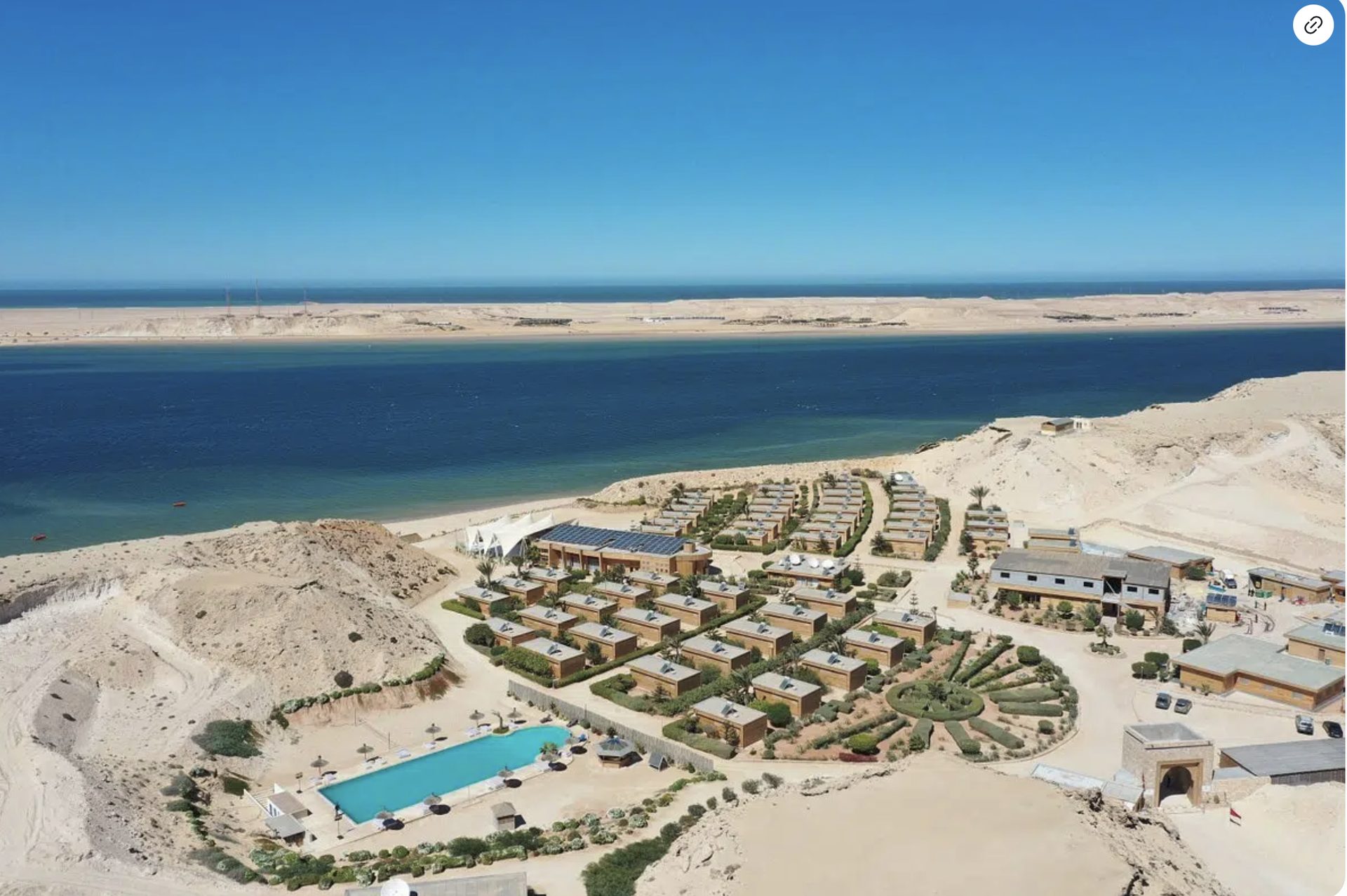
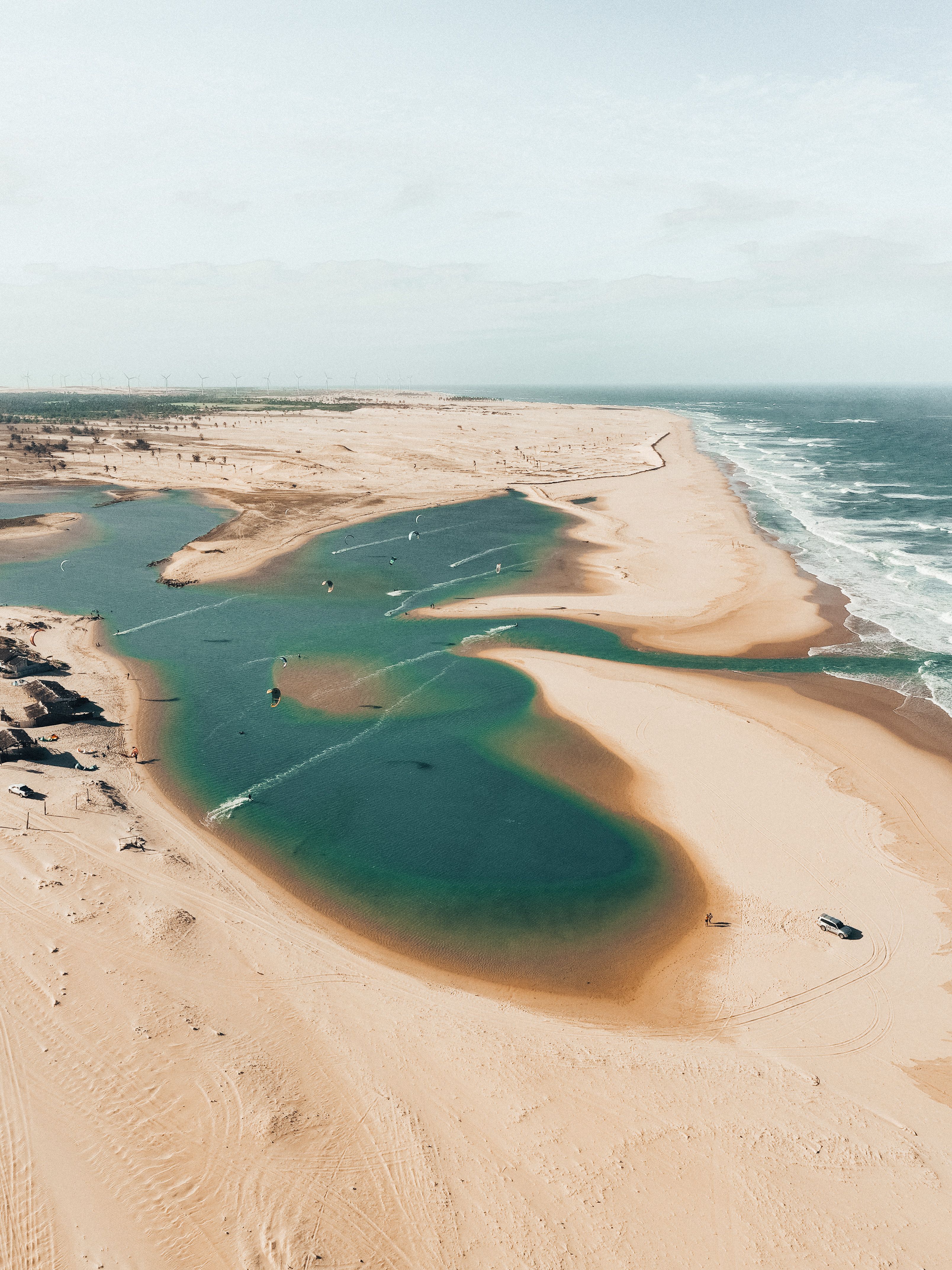
The Dakhla lagoon stretches over 40 kilometres, sheltered from the open Atlantic by a narrow sand spit peninsula on which the city itself sits. The water is warm, shallow in places and a vivid turquoise that deepens to cobalt blue at its centre — colours born from the combination of Saharan sand, clear skies and Atlantic light. Flamingos wade in the shallower areas. Dolphins are regularly spotted beyond the lagoon mouth. The dunes of the Sahara rise directly from the eastern shore.
The lagoon is not only beautiful — it is functionally ideal for watersports. The central channel runs deep enough for advanced riders, while the wide, sheltered shallows on the west bank provide flat water conditions perfect for beginners and freestyle disciplines. The steady trade winds blow across the lagoon at consistent angles that the local kite schools and camps have mapped down to the specific sandbar. This is not an accident of geography; it is, to anyone who understands wind and water, something close to perfection.
The most iconic spot is the Dune Blanche — a white sand dune that rises from the eastern lagoon shore, visible from most kite camps. It has become the visual symbol of Dakhla: turquoise water in the foreground, the white dune behind, blue kites overhead. Accessible by 4x4 and then on foot, it offers the most dramatic perspective on the lagoon landscape and is worth visiting even if you're not on the water.
Kitesurfing & Watersports
Consistent Wind. Flat Water. Year-Round Season.
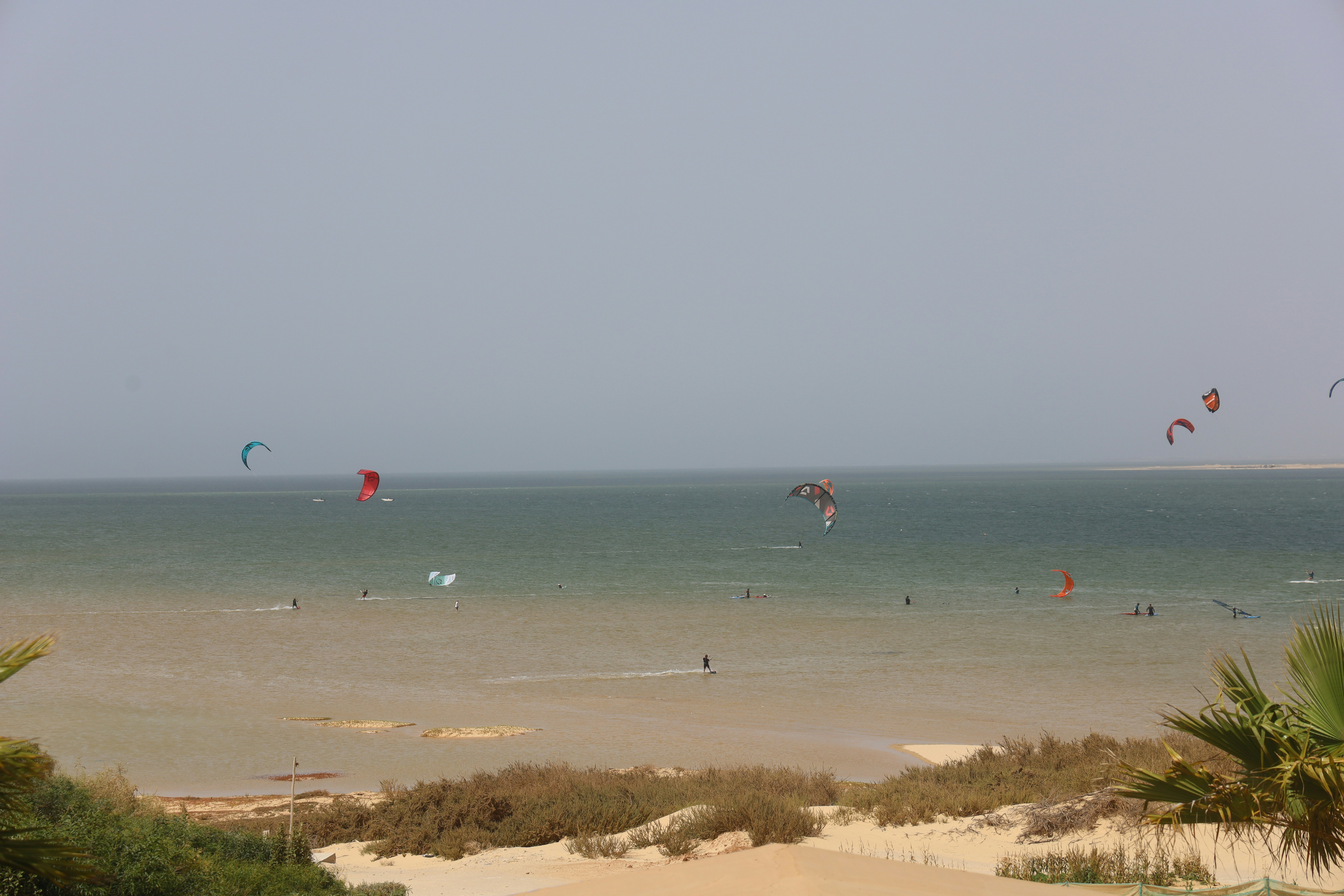
Dakhla has earned its reputation as one of the best kitesurfing destinations on the planet through a combination of factors that simply cannot be engineered: the Saharan trade winds blow with extraordinary consistency, averaging 20–30 knots across the summer months. The lagoon provides both flat water for freestyle and speed runs and choppier conditions at the mouth for wave riding. There is almost never a day without wind.
The IKO (International Kiteboarding Organisation) World Cup and other international events have been held on this lagoon. Every major kite school in Dakhla is IKO-certified. Beginner courses run over 3–5 days. Intermediate and advanced riders find conditions that push their ability year after year — which is why the same riders come back season after season.
Beyond Kitesurfing
The lagoon and coastline support a wide range of watersports beyond kitesurfing. Windsurfing has its own strong following — Dakhla was a windsurfer's destination before the kite revolution, and the conditions remain world-class. Stand-up paddleboarding (SUP) on the flat inner lagoon is a superb way to experience the water if you're not a kiter, particularly in the early morning before the wind builds. Surfing breaks exist on the open Atlantic coast north of the lagoon — the waves here are powerful and best suited to experienced surfers. Fishing excursions by boat are easily arranged from the city port, targeting sea bass, dentex and octopus in some of the least-fished waters on the Atlantic seaboard.
Desert & Nature Experiences
Dakhla's location at the edge of the Sahara means that a different kind of adventure is available just beyond the lagoon. The desert here is not the dramatic erg of rolling dunes that most people picture — this is the hammada, flat rocky desert extending to the horizon, punctuated by sand flats, dry riverbeds and the occasional isolated settlement. It is quiet in a way that few places on Earth are quiet.
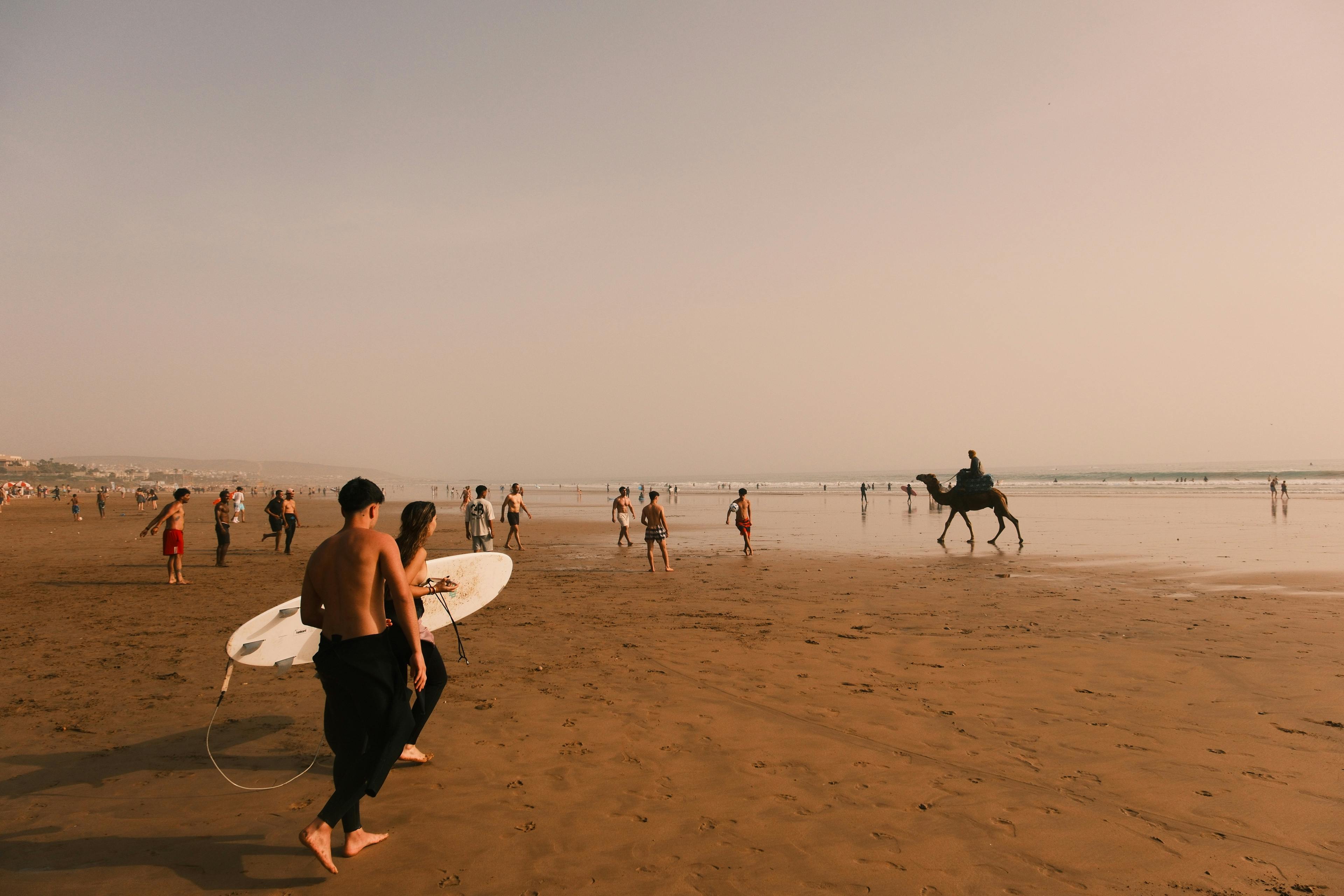
Half-day and full-day 4x4 excursions from Dakhla typically cover the Dune Blanche, the eastern lagoon shore, the open Atlantic cliffs north of the city, and sometimes extend to the flamingo colonies in the shallower arms of the lagoon. Camel treks along the beach and dunes are a slower way to experience the desert-ocean junction. Quad biking on the sand flats is widely available and popular with families and groups.
For wildlife, the lagoon is particularly rewarding. Bottlenose dolphins are frequently seen in the channel and at the lagoon mouth. Greater flamingos feed in the shallower tidal flats, particularly in the early morning. Loggerhead sea turtles are occasional visitors. Birdwatchers will find the Saharan coastline around Dakhla one of the most rewarding stretches on the African flyway, with migrating species using the lagoon as a stopover.
Dunes of Gold
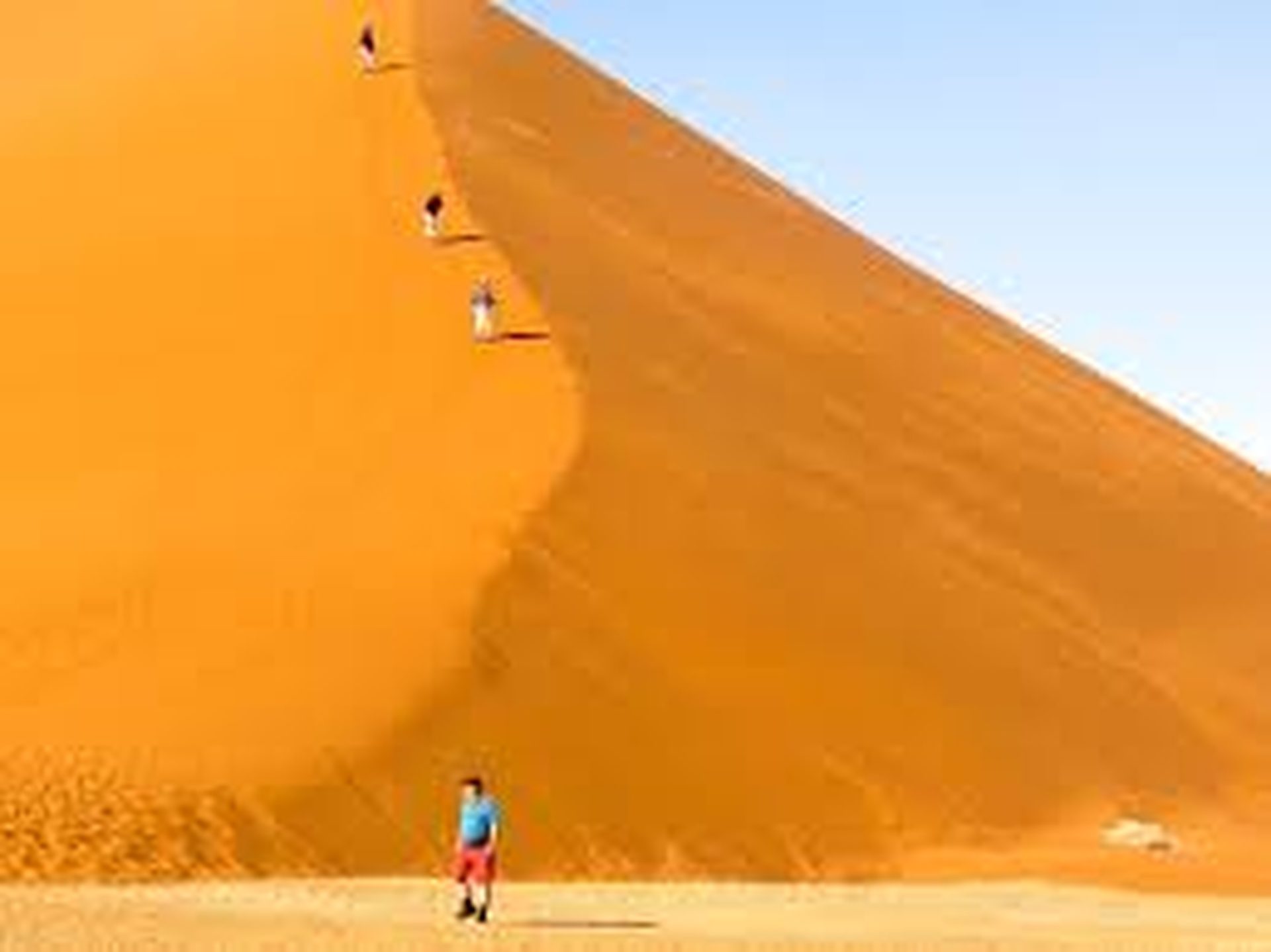
The iconic golden dunes that rise from the lagoon shore. The defining image of Dakhla — best at golden hour when the sand glows against the turquoise water below.
Atlantic Desert Cliffs
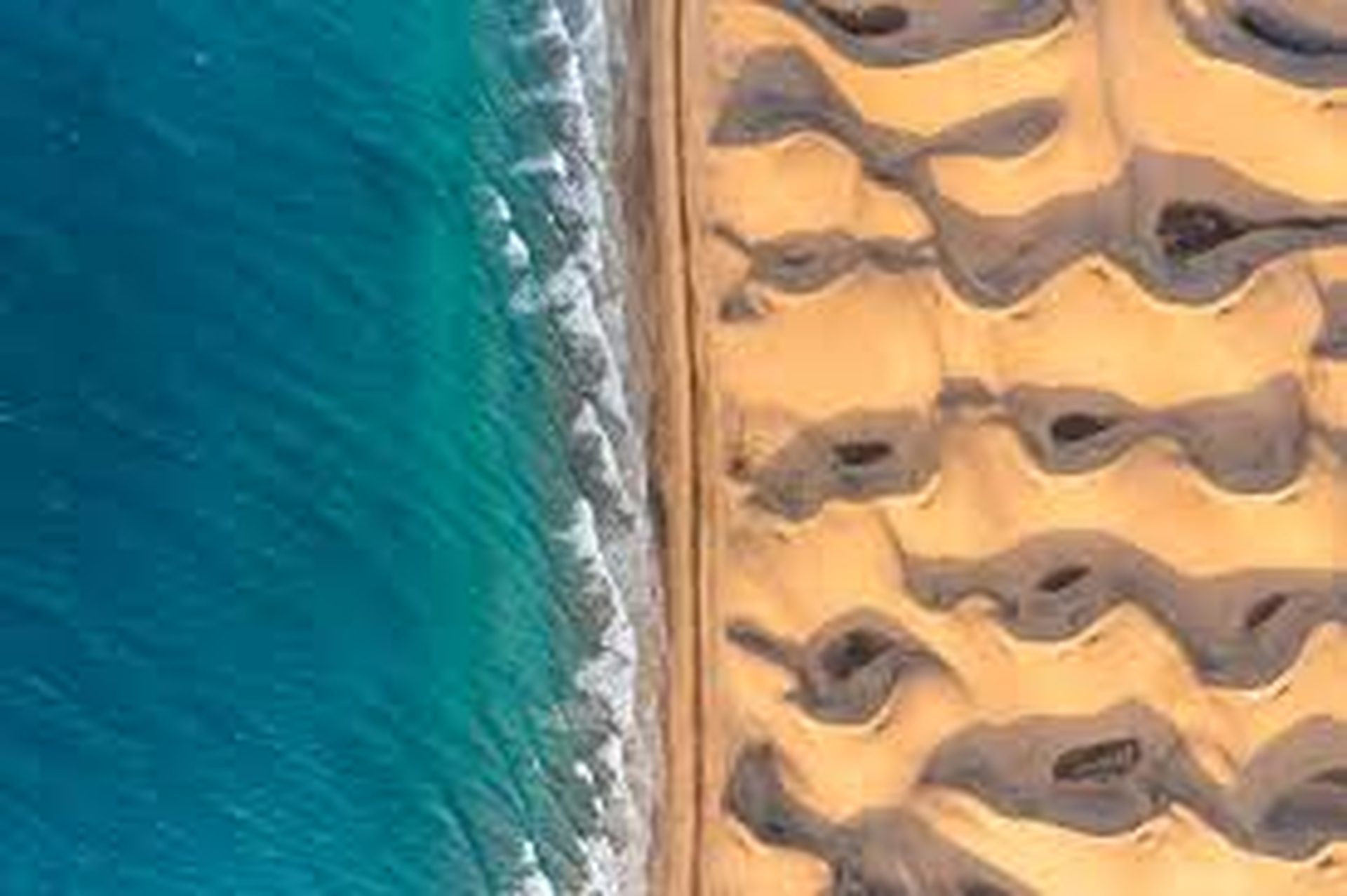
Drive north of the city to where the Sahara meets the ocean in sheer red cliffs dropping to wild Atlantic surf. One of the most dramatic coastal landscapes in Africa.
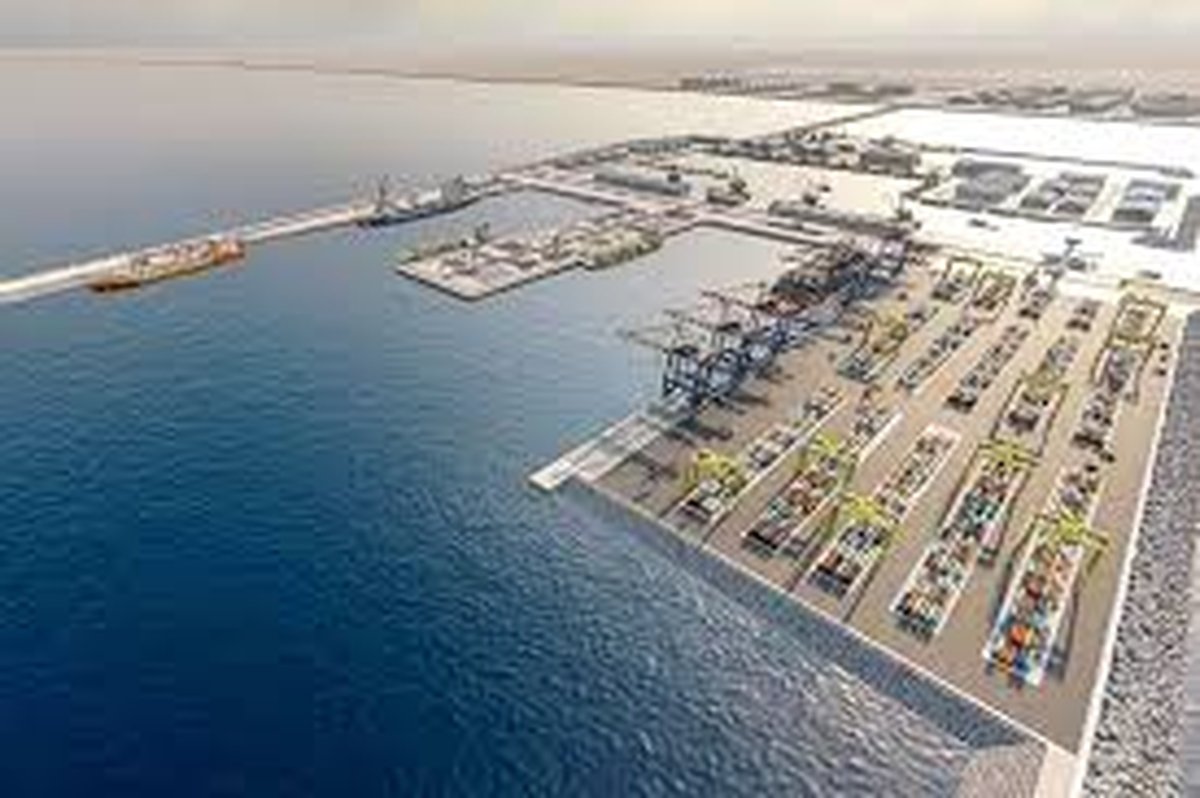
Dakhla City & Port
The city itself is compact and functional, but the port is worth an early-morning visit for the fishing boats returning with the night's catch — octopus, sea bream and Atlantic tuna.
Food — Oysters, Fish & Saharan Flavours
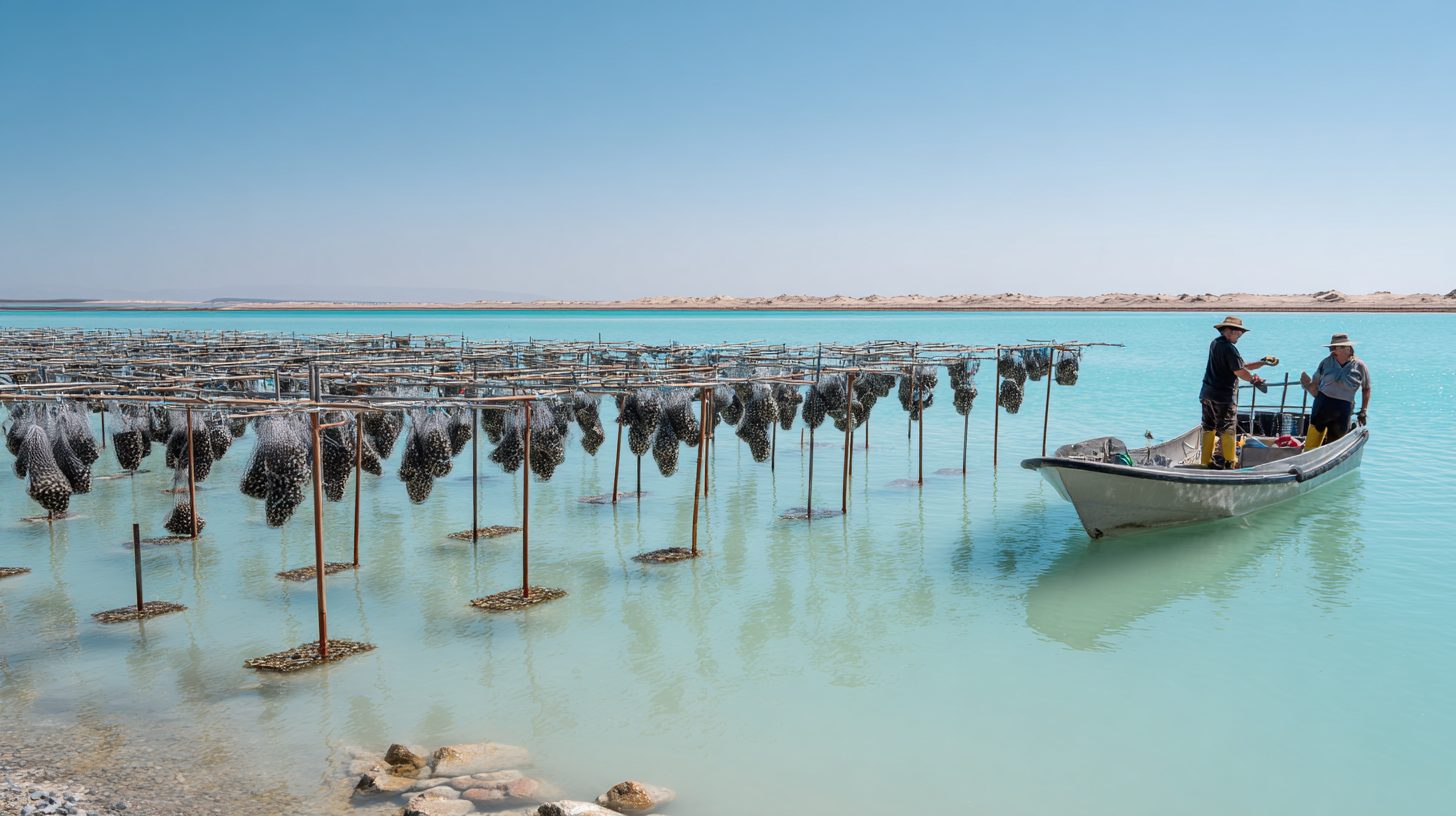
Dakhla surprises most visitors with the quality and originality of its food. The city is Morocco's most important oyster-farming location: the warm, nutrient-rich lagoon produces Dakhla oysters that are exported to France, Spain and beyond, and which are available in the city for a fraction of their European price. Eating oysters at a beach table beside the lagoon that produced them is one of the great simple pleasures of Moroccan travel.
Fish and seafood dominate local tables in a way they don't even in Essaouira or Agadir. Grilled Atlantic sea bass, octopus tagine slow-cooked with preserved lemon and olives, and langoustines à la plancha are staples in the better restaurants. Local specialities also include Saharan-style mechoui (slow-roasted lamb) and camel meat tagines reflecting the nomadic Saharan culture of the hinterland — dishes you won't find in northern Morocco.
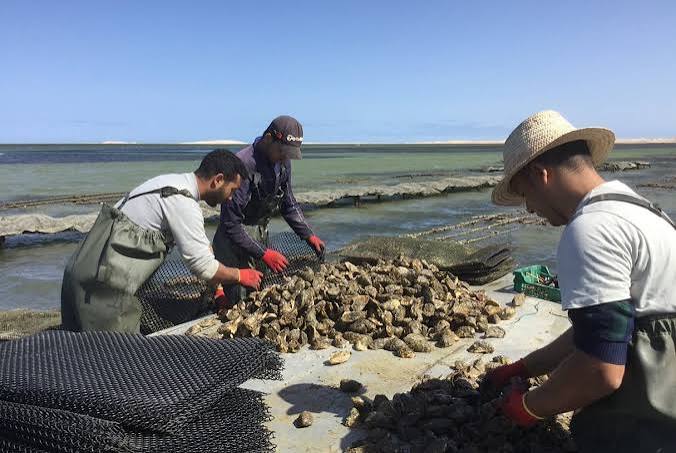
- Oyster farms (Fermes ostréicoles) — several farms allow direct visits and on-site tasting. Ask your camp or hotel to arrange. Prices are genuinely remarkable: a dozen fresh oysters for under 100 MAD.
- Restaurant Samarkand — consistently recommended for grilled fish and seafood tagines in the city centre.
- Kite camp restaurants — most of the better lagoon camps serve excellent in-house meals using the morning's catch. Half-board is often the most practical option.
- Fish market (Marché au poisson) — early morning near the port, where the catch is landed and sold at source. Bring a bag.
🏨 Book Your Dakhla Stay
From eco-lodges on the lagoon shore to comfortable city hotels, Dakhla's accommodation scene has expanded significantly in recent years. Book well ahead for peak kite season (June–September).
Search Hotels on Booking.com →Where to Stay
Dakhla's accommodation divides cleanly into two types: kite camps on the lagoon and hotels in the city. The choice between them depends almost entirely on whether you're there to be on the water or to use the city as a base.
Kite and windsurf camps are typically located 5–20 km south of the city along the lagoon's west bank. They range from luxury eco-lodges with private bungalows and pools to more basic but functional tented camps. Most include equipment storage, rigging areas, and direct lagoon access. Meals are usually provided (half or full board), which makes sense given the distance from town. Some of the best-regarded include Dakhla Attitude, Ocean Vagabond, and Dakhla Club. Prices reflect the international clientele — budget €80–180/night depending on season and board basis.
City hotels offer a more conventional experience — useful if you're in Dakhla for a mix of activities, on a business trip, or using the city as a base for desert excursions rather than being solely on the water. The Dakhla Club Hotel and several three-star options in the centre provide comfortable, if unspectacular, bases.
Getting to Dakhla
By air is by far the most practical way to reach Dakhla. Dakhla Airport (DAK) has regular Royal Air Maroc flights from Casablanca (approximately 2.5 hours) and Agadir. Seasonal and charter flights from European cities (Paris, Madrid, Brussels, Amsterdam) operate particularly during kite season. Fares fluctuate significantly — booking early on Royal Air Maroc's website typically yields the best prices.
By road from Casablanca is approximately 1,700 km — a 16–18 hour drive on largely good roads via Agadir, Tiznit, Tan-Tan, Laâyoune and Boujdour. The coastal highway (N1) is one of Morocco's most dramatic drives, particularly the stretch south of Tiznit, and the journey itself is an experience if you have the time. However, for most visitors the fly-drive approach (fly to Dakhla, rent a car locally) is more practical.
Car rental in Dakhla is available at the airport and in the city through local agencies. A 4x4 is recommended if you plan to explore the desert east of the lagoon or reach some of the more remote kite spots — standard saloon cars handle the main paved roads perfectly well. Note that cash payment is standard with local agencies; international credit cards are not always accepted.
Best Time to Visit Dakhla
Dakhla's climate is one of its great assets — the combination of Saharan and Atlantic influences produces mild, dry conditions year-round. It essentially never rains. Temperatures are warm rather than extreme, moderated by the ocean. The primary variable for most visitors is wind.
| Season | Conditions | Best For | Verdict |
|---|---|---|---|
| Jun – Sep (Peak) | Strong, consistent trade winds 20–35 knots. Hot but not oppressive (26–30°C). Lagoon busy with kiters. | Kitesurfing, windsurfing, IKO courses | Best Wind |
| Mar – May (Spring) | Good winds building, warm temperatures 22–26°C. Crowds lower than summer. Excellent overall conditions. | All watersports, desert excursions, photography | Recommended |
| Oct – Nov (Autumn) | Winds easing slightly, warm temperatures 24–28°C, fewer crowds. Flamingos more visible in lagoon. | Beginner kiting, wildlife, relaxation | Best Overall |
| Dec – Feb (Winter) | Calmer winds, cooler mornings (18–22°C), quiet season. Some camps close. Good for non-wind activities. | Desert excursions, fishing, oyster tasting, budget travel | Quiet & Cheap |
🎟️ Book Dakhla Tours & Experiences
Find kite-surfing packages, 4x4 dune safaris and lagoon boat tours.
Browse Dakhla Experiences on Viator → We may earn a small commission at no extra cost to you.📱 Stay Connected in Dakhla
Mobile coverage in the city and most camps is generally good, though remote desert spots can drop signal. For seamless data across Morocco — including the south — an Airalo eSIM is the easiest solution. Install before you fly.
Get a Morocco eSIM on Airalo →🛡 Travel Insurance for Dakhla
Kitesurfing, windsurfing and watersports are covered by World Nomads across 250+ adventure activities — and Dakhla is exactly the kind of remote, specialist destination where comprehensive cover matters. Medical facilities in the far south are limited; evacuation cover is essential. Check your policy before you fly.
Get a Quote from World Nomads → Powered by World Nomads · We may earn a commission at no cost to you