At a Glance
In This Guide
The Short Answer
The best time to visit Morocco is spring (March to May) or autumn (September to November). During these shoulder seasons, temperatures are warm but not extreme, the crowds are manageable, and virtually every corner of the country — from the imperial cities to the Sahara — is at its most enjoyable.
That said, Morocco is a large and geographically diverse country. The Atlantic coast is pleasant almost year-round. The Sahara is unbearable in July but magical in October. The Atlas Mountains are ideal for hiking in June. What works perfectly for one trip may not suit another. The guide below breaks it all down.
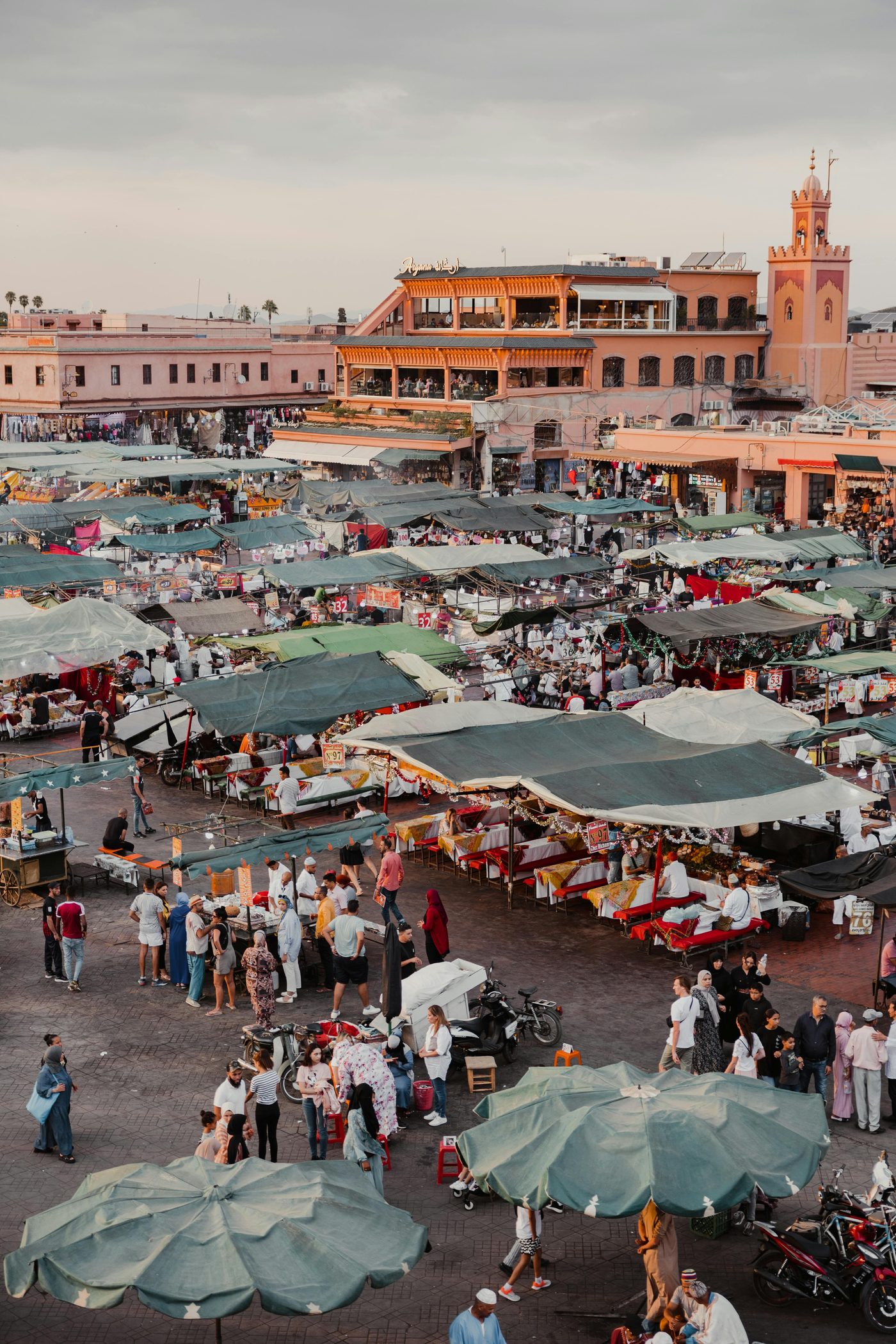
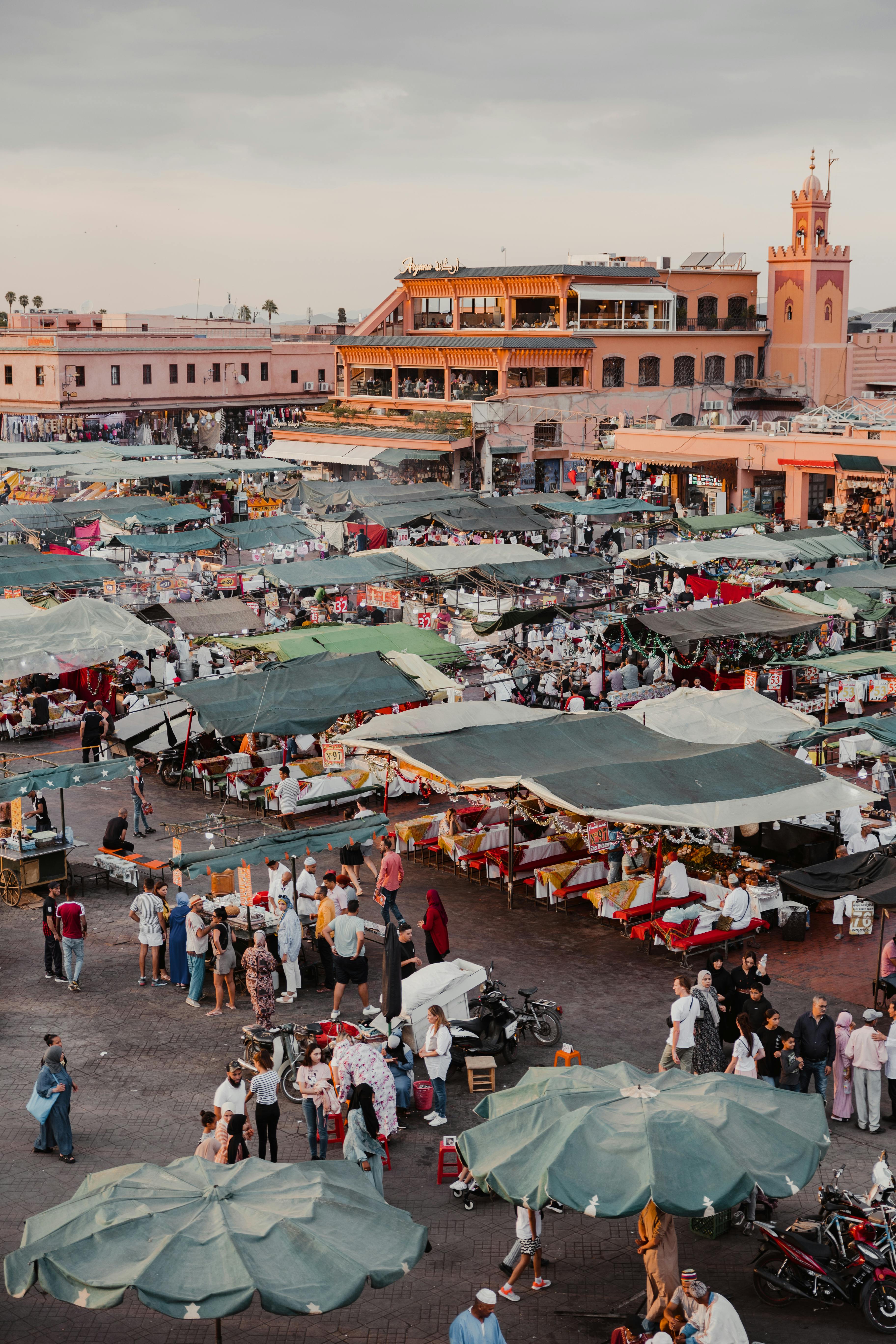
Jemaa el-Fna, Marrakech — best experienced in spring or autumn when temperatures are ideal
Month-by-Month Breakdown
Here's a complete overview of what to expect each month in Morocco's main travel destinations.
| Month | Marrakech | Sahara | Coast | Rating |
|---|---|---|---|---|
| January | Cool, 18°C avg. Crisp sunny days. | Mild & perfect. Cold nights. | Agadir sunny, 20°C. Essaouira breezy. | Good |
| February | Warming up. Almond blossom in Ourika Valley. | Still excellent. Some wind. | Pleasant. Beach season not yet started. | Good |
| March | Warm & sunny. Wildflowers appear. | Great. Spring cool in evenings. | Good. Sea still cool for swimming. | Best |
| April | Ideal 26°C. Peak season begins. | Warm days, cool nights. Stunning. | Excellent. Sea warms up. | Best |
| May | Warm 30°C. Still very pleasant. | Getting hotter but manageable. | Ideal for beach. Busy. | Best |
| June | Hot 35°C+. Sightseeing best before noon. | Very hot. Not recommended. | Great. Atlantic breeze helps. | Good |
| July | Very hot 38–42°C. Exhausting for sightseeing. | Extreme 45°C+. Avoid. | Best beach season. Busy & expensive. | Avoid interior |
| August | Same as July. Peak crowds. High prices. | Extreme heat. Do not visit. | Peak beach season. Very crowded. | Avoid interior |
| September | Cooling to 32°C. Manageable again. | Starting to cool. Good from mid-Sep. | Still warm. Less crowded. | Best |
| October | Perfect 26°C. Post-summer calm. | Ideal. Cool nights, warm days. | Good until end of month. | Best |
| November | Pleasant but can rain. 22°C. | Excellent. One of the best months. | Cooling. Rain possible in north. | Good |
| December | Cool 18°C. Low season. Great prices. | Cold nights but beautiful days. | Agadir still sunny. Mild. | Good |
Morocco by Season
🌸 Spring — March to May
✦ Best Season OverallThe finest time to visit Morocco. Temperatures are warm without being extreme — Marrakech averages 26°C in April. Wildflowers carpet the Atlas foothills, the Sahara is golden and cool in the evenings, and the Atlantic coast wakes up for the beach season. Book riads well in advance as this is peak season.
☀️ Summer — June to August
⚠ Hot — Coastal Travel OnlyInterior cities bake in summer. Marrakech regularly hits 40°C; Fes can exceed 42°C; the Sahara is simply extreme. However, the Atlantic coast (Agadir, Essaouira, Taghazout) benefits from cooling ocean breezes and is excellent. The High Atlas mountains are also comfortable for hiking. Avoid the interior unless you're an experienced traveller prepared for the heat.
🍂 Autumn — September to November
✦ Best Season OverallMany experienced Morocco travellers consider October the single best month to visit. The brutal summer heat has dissipated, the Sahara is at its most inviting, the skies are crystalline, and the post-summer crowds thin out. Prices drop after August. November is still excellent for the Sahara and southern Morocco, though the north can see some rain.
❄️ Winter — December to February
Low Season — Best ValueMorocco in winter is far milder than Europe but cooler than most visitors expect. Marrakech averages 18°C in January — sunny and pleasant for city exploration, though evenings require a jacket. The Sahara is surprisingly cold at night but spectacular during the day. Agadir stays warm (20°C+) and is popular with northern Europeans escaping winter. The Atlas Mountains receive snow — beautiful but some routes close.
🏨 Book Your Riad Early for Peak Season
Morocco's best riads can fill weeks or months ahead during spring and autumn. Compare our carefully selected riads in Marrakech and Fes, or search accommodations throughout Morocco.
Best Riads in Marrakech
Hand-picked luxury, romantic and budget riads across Marrakech's best neighborhoods.
Explore Marrakech Riads →Best Riads in Fes
Restored palaces, boutique courtyard houses and affordable medina stays in Fes el-Bali.
Explore Fes Riads →All Morocco Accommodations
Search riads, hotels and resorts across all of Morocco — free cancellation on most properties.
Search Morocco on Booking.com →Best Time to Visit by Region
Marrakech & the Imperial Cities
Best: March–May, September–November. The medinas of Marrakech, Fes, and Rabat are best explored on foot — manageable temperatures make this a pleasure in spring and autumn. In summer, limit sightseeing to early morning and late afternoon, and budget extra time for rest in the heat of the day.
The Sahara Desert
Best: October–April. The Moroccan Sahara is magical from October through April — mild days, cold but clear nights perfect for stargazing, and the golden dunes at their most photogenic. Avoid May through September: temperatures exceed 45°C and camel trekking becomes genuinely dangerous.
The Atlantic Coast
Best: April–October. Agadir's beaches are wonderful from April onwards, with peak season in July–August. Essaouira is brilliant almost year-round — the trade winds that make it a world-class kitesurfing destination also keep it cooler than Marrakech in summer. Tangier is pleasant spring through autumn.
The High Atlas Mountains
Best: April–June and September–October for hiking. The Toubkal summit (4,167m — North Africa's highest peak) is accessible from April, though snow can linger into May at altitude. Summer (June–August) is ideal for trekking. Winter brings heavy snow to the high passes — Tizi n'Tichka can close — though ski resorts near Ifrane operate from December.
Chefchaouen & the Rif Mountains
Best: March–May and September–November. The famous Blue City sits at 600m altitude and stays cooler than the coast in summer. Spring is stunning — the surrounding hills are green and lush. Avoid January–February if you dislike rain; the Rif is Morocco's wettest region.
Dakhla & the Deep South
Best: Year-round, with a peak from October–April. Dakhla's desert peninsula climate is remarkably stable — warm but tempered by Atlantic breezes even in summer. Kitesurfers and windsurfers come year-round for the near-constant trade winds.
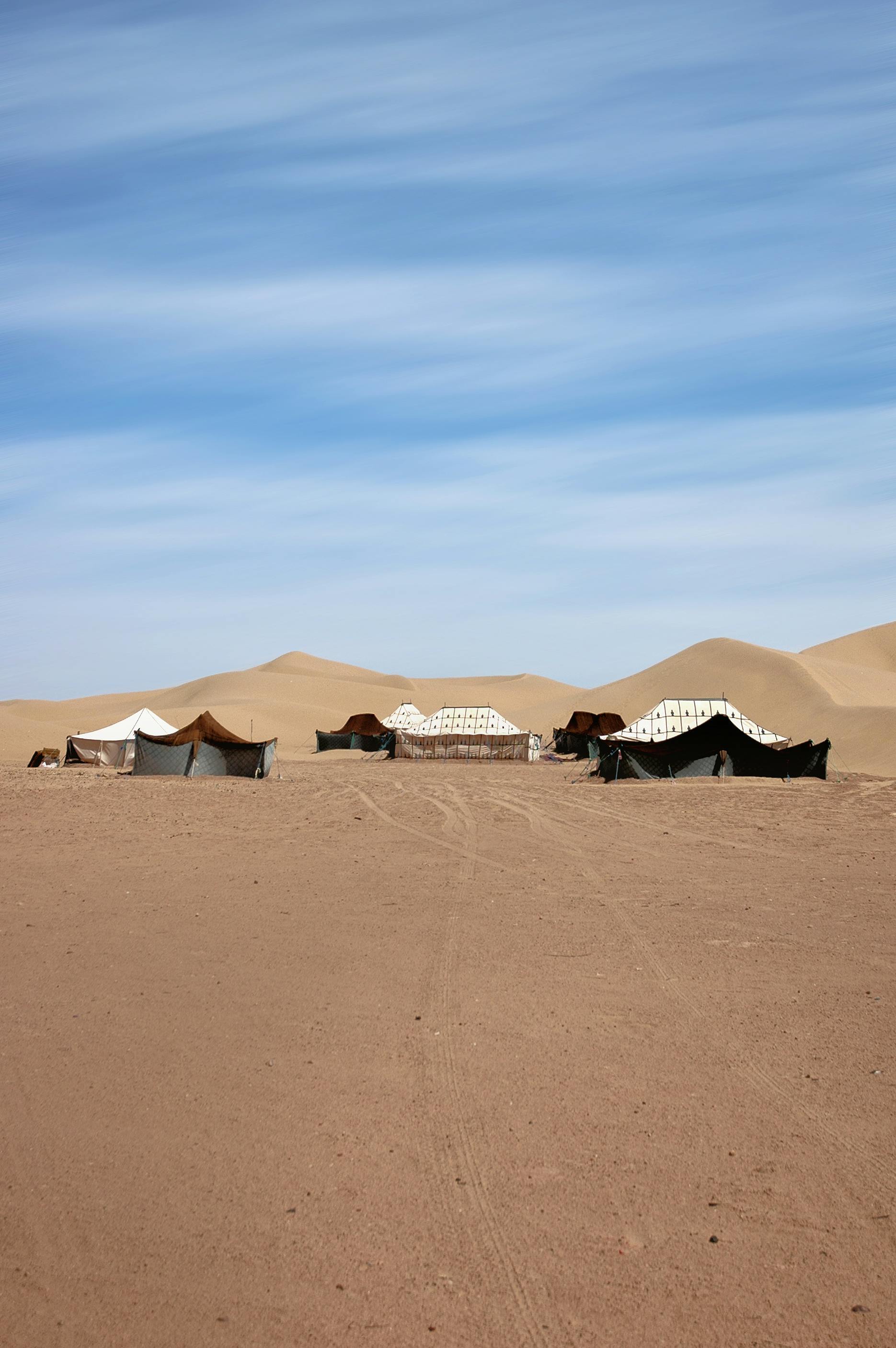
The Sahara at sunset — best visited October through April when temperatures are ideal
Best Time to Visit by Activity
Beach Holidays
April through October for the Atlantic coast (Agadir, Taghazout, Essaouira). The Mediterranean coast near Al Hoceima peaks in July–August. Dakhla is viable year-round. Note that the Atlantic is cooler than the Mediterranean — water temperatures average 20°C in summer, which many find refreshing.
City Sightseeing & Culture
March–May and September–November. Exploring medinas, souks and palaces on foot is a pleasure at 22–28°C. In summer, the same streets at 40°C become an endurance test.
Sahara Desert Trips
October through March. Camel treks at dawn, sleeping under a billion stars in a desert camp, and watching the dunes change colour at sunset are all at their finest during these months. The classic route — Marrakech to Merzouga via the Draa Valley — is beautiful year-round but only comfortable in the cooler months.
Hiking & Trekking
April–June and September–October for the Atlas and Rif mountains. The Toubkal Circuit and Mgoun Traverse are best done in May–June or September when trails are clear and temperatures are mild at altitude. Winter mountaineering on Toubkal is possible but requires crampons and experience.
Surfing & Kitesurfing
Surf: Year-round at Taghazout near Agadir, with the best swells arriving October–April. Kitesurfing: Dakhla is world-class year-round; Essaouira peaks April–October when the trade winds are strongest.
Festivals & Events
- Almond Blossom Festival — Tafraoute, February. The valley turns white and pink.
- Essaouira Gnaoua Festival — June. Four days of world music on the Atlantic ramparts.
- Fes World Sacred Music Festival — June. A highlight of the cultural calendar.
- Marrakech International Film Festival — November/December.
- Eid al-Adha — Dates vary each year. Expect closures and family celebrations nationwide.
🎟️ Book Tours & Experiences
Sahara camel treks, medina food tours, hammam experiences and Atlas day trips — book in advance for peak season.
Check Tour Availability on Viator → We may earn a small commission at no extra cost to you.Visiting Morocco During Ramadan
Ramadan moves back approximately 11 days each year. In 2026, Ramadan ran from mid-February to mid-March. In 2027, it is expected to begin around February 7 and end around March 8.
Practical tips for Ramadan travel:
- Eat, drink and smoke discreetly in public during daylight hours — it is not illegal for tourists, but it is courteous.
- Most tourist restaurants in major medinas remain open, but local eateries close until iftar.
- Book riads that serve breakfast — some reduce services during Ramadan.
- Expect reduced business hours at shops, museums and government offices.
- The atmosphere at iftar (around sunset) is extraordinary — accept any invitation to share a meal with a Moroccan family if offered.
- Dress more conservatively than usual, especially outside tourist areas.
Crowds & Prices
Morocco has two distinct peaks and a long, comfortable shoulder season.
Peak season (March–April, October): The most popular months. Marrakech riads, Fes riads and Sahara camps book out weeks in advance. Prices for accommodation can be 30–50% higher than low season. Book early.
High season (July–August): The coast is packed with European tourists escaping summer. Agadir and Essaouira are very busy and expensive. Inland cities are quiet because of the heat — which means good riad prices in Marrakech and Fes if you can handle the temperatures.
Low season (November–February, excluding Christmas/New Year): The best value for money. Riad prices drop significantly, tours are less crowded, and you'll have the medinas largely to yourself. The trade-off is cooler temperatures (fine for sightseeing; less ideal for beach) and the possibility of rain in the north.
🛡️ Don't Forget Travel Insurance
Whether you're trekking the Atlas, riding camels in the Sahara or navigating the medina, comprehensive travel insurance is essential for Morocco. World Nomads covers adventure activities most standard policies exclude.
Get a Quote from World Nomads → We may earn a small commission at no extra cost to you.