"To understand Morocco, one must understand the many peoples who have called it home."
— MoroccoPassport Editorial
The Jewish Heritage of Morocco:
More Than Two Thousand Years of Shared History
Morocco is home to one of the oldest Jewish communities in the world. For more than two thousand years, Jewish life has been woven into the country's history, leaving a lasting influence on its cities, architecture, music, cuisine, commerce, craftsmanship and cultural identity.
Although the Jewish population living in Morocco today is much smaller than it was in the mid-twentieth century, its heritage remains visible throughout the Kingdom. Historic synagogues continue to welcome worshippers, ancient cemeteries are carefully maintained, annual pilgrimages attract visitors from around the world, and former Jewish quarters — known as mellahs — remain an integral part of many Moroccan cities.
Understanding Morocco's Jewish heritage is not simply about exploring the past. It offers a deeper appreciation of the country's rich cultural diversity and the centuries of coexistence that have shaped modern Morocco.
A History Spanning More Than Two Millennia
The origins of Jewish communities in Morocco date back more than 2,000 years. Historical evidence suggests that Jewish merchants and settlers were already present in North Africa during antiquity, long before the Arab-Islamic period. Additional Jewish communities arrived following the destruction of the Second Temple in Jerusalem in 70 CE, gradually establishing themselves across what is now Morocco.
Centuries later, another defining chapter unfolded. In 1492, the Alhambra Decree ordered the expulsion of Jews from Spain. Many sought refuge across the Mediterranean, and Morocco became one of their principal destinations. These Sephardic Jews settled alongside long-established Jewish communities, bringing with them new traditions, languages, scholarship, architecture and commercial networks that enriched Moroccan society.
Over time, these communities blended while preserving many of their distinct customs, contributing to the remarkable diversity of Moroccan Jewish life.
The Mellahs: Historic Jewish Quarters
One of the most recognizable features of Jewish heritage in Morocco is the mellah. Beginning in the fifteenth century, many imperial cities established designated Jewish quarters where communities lived, worshipped, traded and developed vibrant cultural traditions.
Today, visitors can still explore historic mellahs in cities such as Fez, Marrakech, Meknes, Rabat and Essaouira. Walking through these neighbourhoods reveals narrow streets, traditional homes with distinctive balconies, former synagogues, artisan workshops and markets that preserve echoes of centuries of shared history. Many restoration projects have helped protect these neighbourhoods for future generations.
A Living Spiritual Heritage
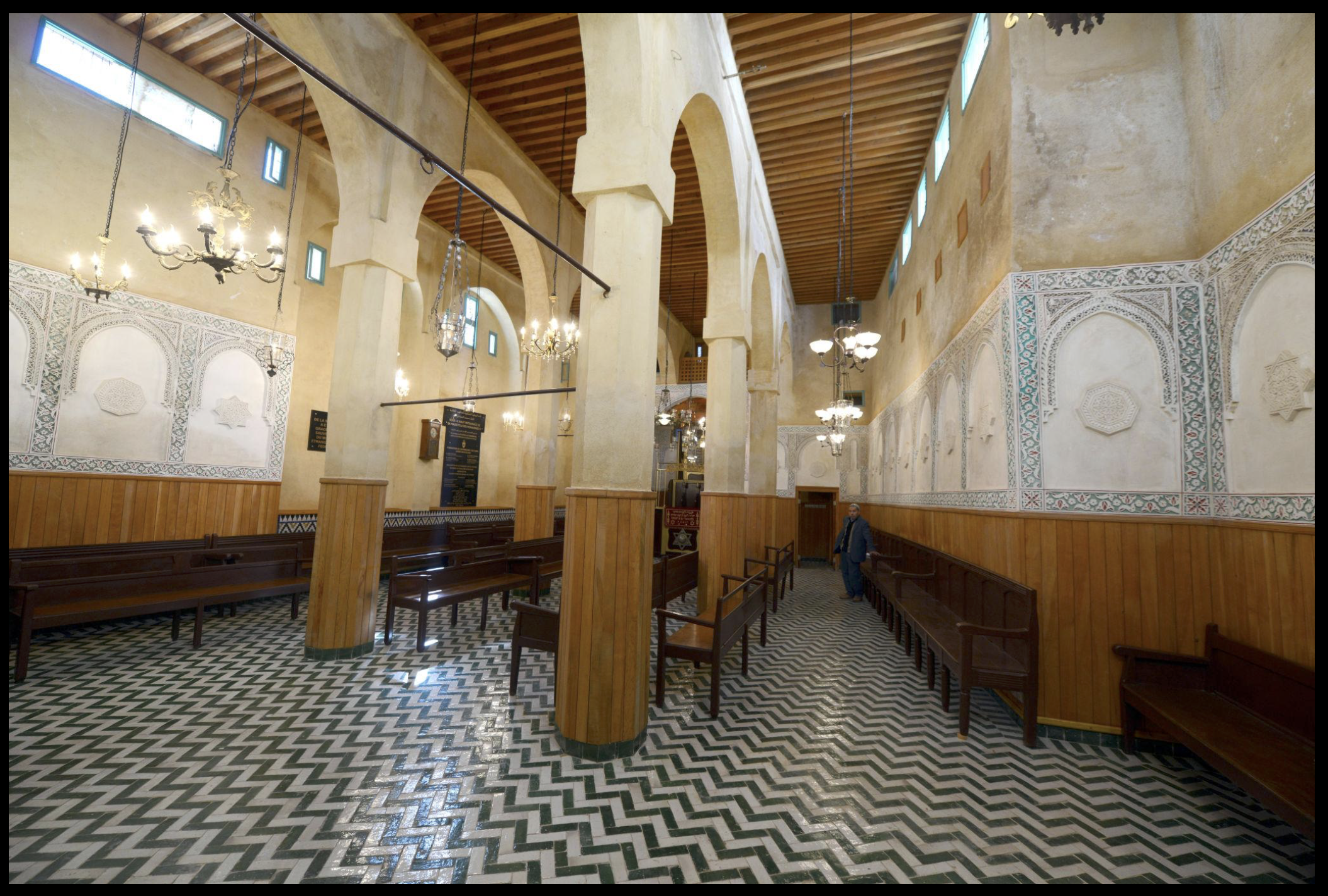
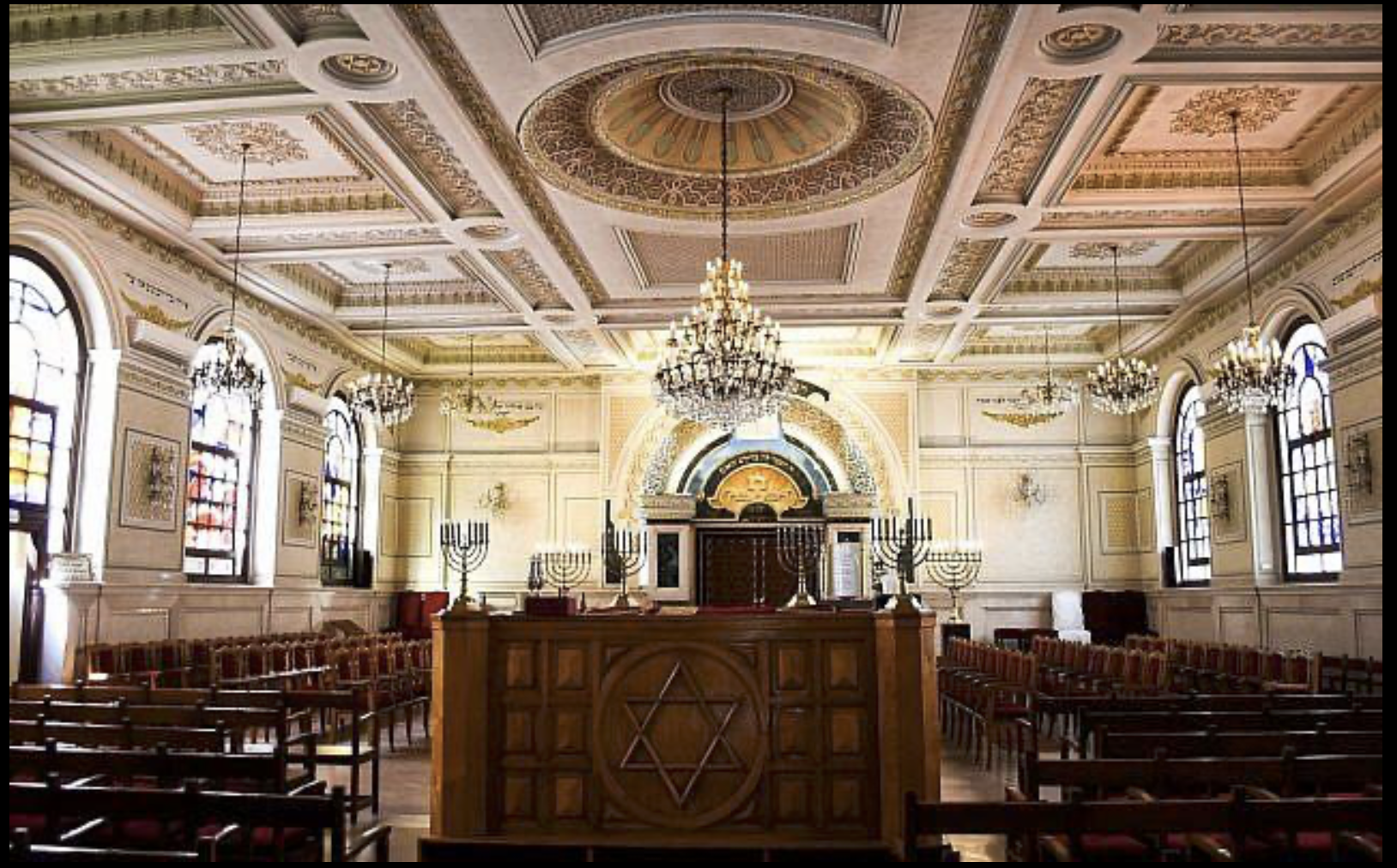
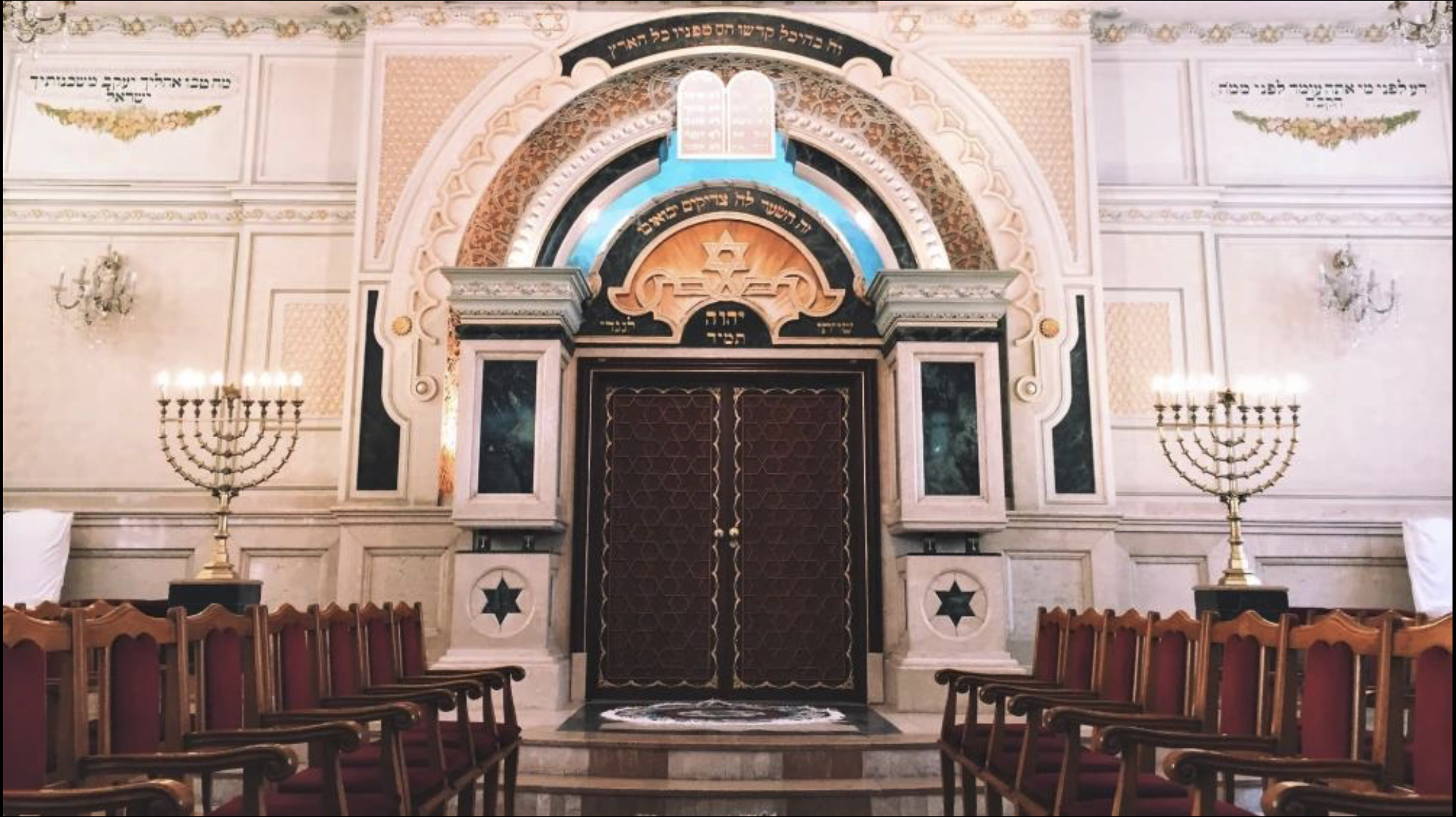
Morocco remains home to numerous historic synagogues, some still serving active congregations while others have become important cultural landmarks. These places of worship illustrate the continuity of Jewish life in Morocco and reflect architectural styles influenced by both Moroccan craftsmanship and Jewish religious traditions.
Among the country's best-known sites are the Slat Al Fassiyine Synagogue in Fez, the Beth-El and Ettedgui Synagogues in Casablanca, and the Simon Attias Synagogue in Essaouira — each offering a distinct perspective on centuries of Jewish religious life in Morocco.
Pilgrimages and the Tradition of the Hiloula
One of the most enduring aspects of Moroccan Jewish culture is the annual pilgrimage, known as the Hiloula. Throughout the year, Moroccan Jews from around the world return to Morocco to honour revered rabbis and spiritual leaders buried across the country. These gatherings combine prayer, remembrance, family reunions and celebration, preserving traditions that have been passed from generation to generation.
Pilgrimage sites can be found in many regions of Morocco and continue to attract visitors from Israel, France, Canada, the United States and other countries with significant Moroccan Jewish communities. The Hiloula of Rabbi Amram Ben Diwan near Ouezzane and the pilgrimage to the tomb of Rabbi Haim Pinto in Mogador (Essaouira) are among the most attended annual gatherings.
Morocco's Jewish Contribution
For centuries, Jewish Moroccans played important roles in many areas of national life. Their contributions shaped international trade and banking networks, elevated craftsmanship traditions — particularly in silverwork, goldsmithing and fine jewellery — and strengthened Morocco's connections to the wider world through diplomacy and commerce.
Their influence is equally visible in Moroccan-Andalusian music, in traditional cuisine, and in regional customs that continue to form part of Morocco's cultural landscape. Jewish artisans became particularly renowned in several Moroccan cities for skills that remain associated with these places to this day. Moroccan-Jewish musicians were central figures in the classical andaloussi tradition, and their contributions to the canon of Moroccan music are still celebrated.
Mohammed V, Vichy France and the Defence of Morocco's Jewish Community
.jpeg)
Few chapters in Morocco's modern history are as widely discussed — or as carefully examined by historians — as the role of Sultan Mohammed V during the Second World War. When France fell to Nazi Germany in June 1940, Morocco remained a French Protectorate. Authority over the Protectorate passed to the collaborationist Vichy regime, whose leaders quickly introduced anti-Jewish legislation throughout territories under their control. These measures restricted access to certain professions, imposed educational quotas, required inventories of Jewish property, and in some cases forced Jewish families living in European districts to return to the historic mellahs.
Although Sultan Mohammed V was Morocco's sovereign, the Protectorate system meant that ultimate administrative power rested with the French Resident-General. This distinction is essential to understanding what followed. The Sultan did not possess unlimited authority to block every decree issued by Vichy France, yet neither was he a passive observer.
A Moral Stand Under Colonial Rule
Numerous contemporary reports and later historical studies indicate that Mohammed V objected to racial distinctions being drawn between his Jewish and Muslim subjects. One statement frequently attributed to him summarises this position:
"There are no Jews in Morocco. There are only Moroccan subjects."
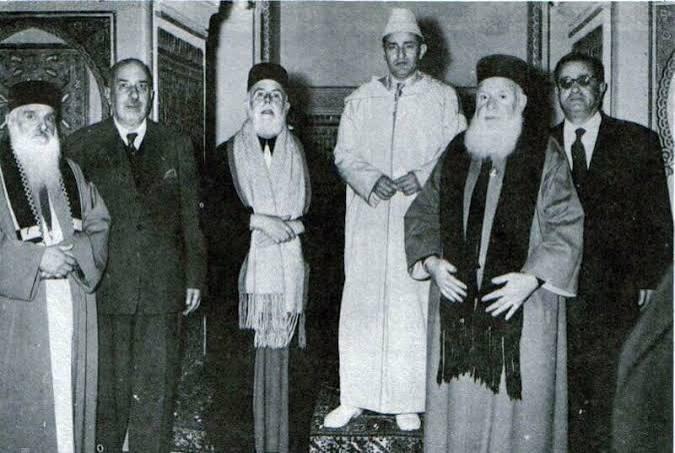
Historians caution that the exact wording of this declaration cannot be conclusively verified and may have evolved in the retelling over time. However, multiple contemporary accounts agree on the broader principle: the Sultan consistently regarded Morocco's Jewish population as loyal subjects under his protection and resisted efforts to treat them as outsiders within their own country.
Symbolic Leadership with Real Consequences
Because Morocco remained under French Protectorate control, Mohammed V could not simply nullify Vichy legislation by royal decree. Nevertheless, historians point to several documented actions that demonstrated his personal and political opposition to the discriminatory measures being imposed around him.
He reassured Jewish community leaders that they remained under his protection and that his view of them as loyal Moroccan subjects had not changed. He publicly included rabbis and prominent Jewish figures in official Throne Day celebrations, despite pressure from Vichy officials who regarded such gestures as inappropriate given the legislation they had imposed. He reportedly challenged French authorities over discriminatory measures and encouraged local officials to treat Jewish citizens fairly wherever within his influence it was possible to do so. These acts carried political significance because they signalled that Morocco's sovereign refused to define citizenship according to Nazi racial ideology — that within the Moroccan conception of the kingdom, his Jewish subjects belonged as fully as any other.
Areas of historical consensus: Mohammed V expressed consistent opposition to antisemitic discrimination. He regarded Morocco's Jews as his subjects and publicly affirmed that responsibility during the Vichy period. His symbolic authority helped moderate or delay aspects of Vichy policy in Morocco. Moroccan Jews did nevertheless experience discrimination under Vichy — including professional restrictions, educational quotas and economic hardship — because the Sultan's authority under the Protectorate was limited.
Areas of ongoing debate: There is no evidence that Vichy ever ordered Moroccan Jews to wear the yellow Star of David — this claim, widely repeated, is rejected by professional historians. There is similarly no documented demand from Vichy to deport Morocco's Jewish population to Nazi extermination camps, as occurred in occupied Europe. The specific quote attributed to Mohammed V cannot be conclusively verified in contemporaneous sources. Recognising these distinctions does not diminish his role — it places his actions accurately within the political realities of a colonial administration he did not control.
For many Moroccan Jews — both those who remained in Morocco and those who later settled abroad — Mohammed V became a lasting symbol of protection during one of history's darkest periods. His wartime conduct continues to be remembered in Jewish communities around the world as an expression of loyalty between the Moroccan monarchy and its Jewish citizens. What makes this legacy credible, rather than merely convenient, is precisely that it does not depend on overstated claims. A sultan who used his ceremonial authority, his personal relationships and his public conduct to defend the dignity of a persecuted community while he lacked the power to change the law they were subjected to: that is a story worth telling accurately.
Emigration: A Departure Shaped by Many Forces
After independence in 1956, the relationship between the Alaouite monarchy and the Jewish community remained warm but was complicated by the new pressures of the postwar world. The creation of the State of Israel in 1948 had already triggered a first wave of emigration; the Arab-Israeli wars of 1948, 1967 and 1973 accelerated it further. Moroccan Jews left primarily for Israel, France, Canada and the Americas — not always because they were unwelcome in an independent Morocco, but because the currents of a changing world pulled communities toward states that offered new certainties: Zionist idealism, French cultural kinship, family who had already left.
The departures were complicated. Many left with genuine grief, leaving a country whose culture was inseparable from their own identity. Others left because the geopolitical climate — the repeated Arab-Israeli conflicts, the attendant pressures on Jewish communities across the Arab world — made staying feel precarious. Morocco's government, under Mohammed V and then under Hassan II, did not always make emigration simple: between 1956 and 1961 there were periods of restriction, as the state sought to balance its Pan-Arab solidarity with its attachment to its Jewish citizens. This tension — between the warmth of personal relationships and the constraints of regional politics — defined the decade before mass emigration became irreversible.
At its peak, Morocco's Jewish population had reached approximately 250,000 to 300,000. By 1967 it had fallen below 60,000. Today, an estimated 2,000 to 3,500 Jews remain — mostly in Casablanca, with smaller communities in Marrakech and Rabat. In 2020, Morocco normalised relations with Israel as part of the Abraham Accords, a development welcomed by much of the diaspora. King Mohammed VI has consistently described Morocco's Jewish heritage not as a historical footnote but as a living component of the national identity — a commitment the country reflects in practice through the preservation of synagogues, cemeteries and historic mellahs across the Kingdom.
Preservation of a Shared Heritage
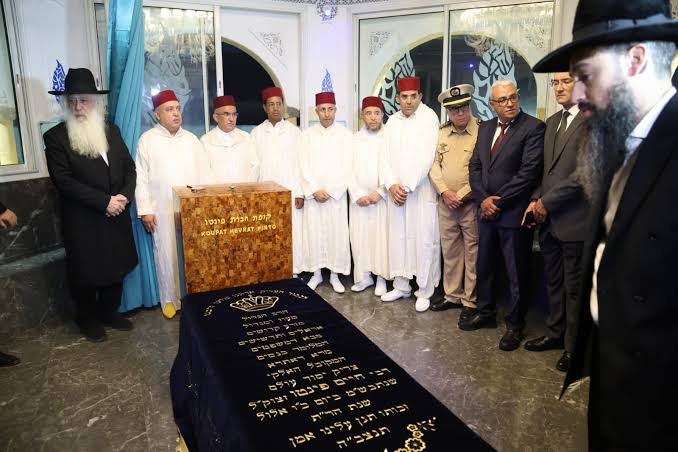
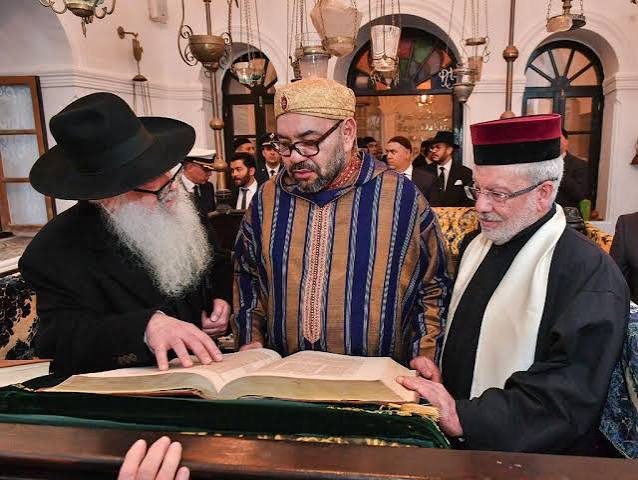
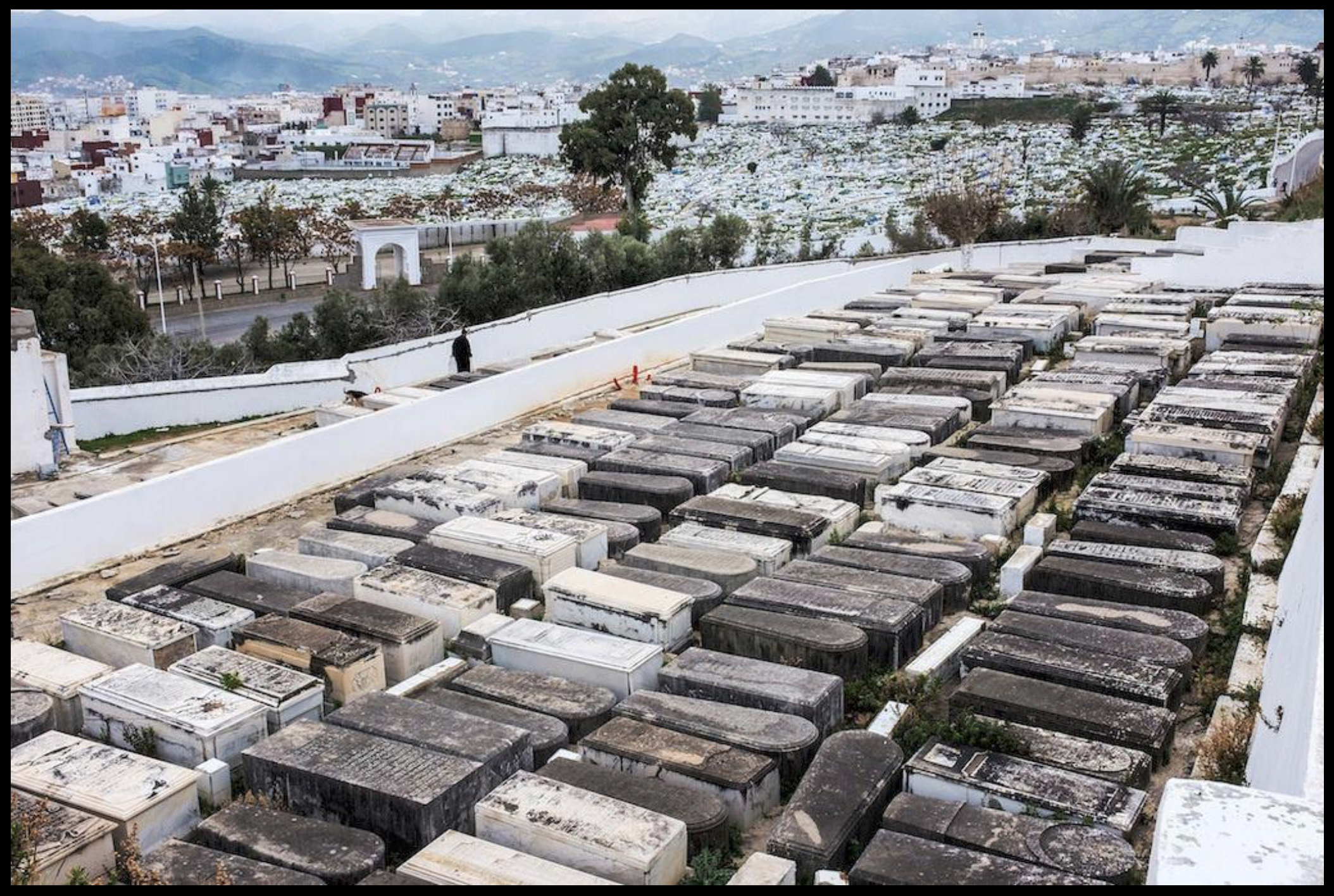
Morocco has undertaken significant efforts to preserve its Jewish heritage. Historic synagogues have been restored. Jewish cemeteries have undergone conservation projects. Museums document centuries of Jewish life in Morocco. Historic districts have received restoration initiatives. These efforts reflect a broader commitment to protecting the country's diverse historical legacy and are supported at the highest levels of the Moroccan state.
For visitors interested in Morocco's cultural history, these sites provide valuable opportunities to explore an important chapter of the nation's past — one that continues to be recognized, respected and actively preserved.
Where to Experience Jewish Heritage Today
Travellers interested in exploring Morocco's Jewish heritage can visit several destinations throughout the country, each offering a different perspective on centuries of shared history.
Casablanca
Home to Morocco's largest contemporary Jewish community and several important synagogues, including the Beth-El and Ettedgui. The Musée du Judaïsme Marocain provides essential historical context.
Fez
Historic mellah, the Slat Al Fassiyine Synagogue and one of Morocco's richest medieval urban landscapes. The Jewish quarter of Fez dates to the 13th century and remains largely intact.
Marrakech
Ancient Jewish quarter, the Lazama Synagogue and a historic Jewish cemetery. The mellah of Marrakech preserves distinctive balconied architecture characteristic of Moroccan Jewish domestic life.
Essaouira
One of Morocco's most celebrated examples of Jewish-Muslim coexistence. The Simon Attias Synagogue, restored Jewish cemetery and annual Hiloula of Rabbi Haim Pinto draw visitors from around the world.
Meknes
Historic mellah, synagogues and important cultural landmarks within one of Morocco's four imperial cities. The Meknes mellah is among the largest and best-preserved in the country.
Tetouan
Home to a significant Sephardic Jewish heritage and one of Morocco's most important Jewish cemeteries. The architecture of Tetouan reflects the strongest Andalusian-Jewish-Moroccan cultural synthesis in the north.
Why This Heritage Matters
The story of Morocco cannot be told through a single culture or community. Over thousands of years, Amazigh, Arab, Jewish, Andalusian, Saharan, African and Mediterranean influences have all contributed to shaping the Kingdom's identity. Morocco's Jewish heritage represents one of these enduring threads.
Exploring it offers visitors a deeper understanding of the country's history and highlights the richness of a society formed through centuries of cultural exchange. It also challenges the simplifications that often pass for historical understanding — revealing instead a Morocco that has always been more layered, more plural and more cosmopolitan than any single narrative can contain.
Most accounts of Mohammed V and Morocco's Jewish community during the Second World War tell a simplified story. MoroccoPassport has tried to tell the stronger one: what is documented, what is debated, and why Mohammed V's conduct during those years remains historically significant even when stripped of embellishment.
The stronger story is actually more compelling than the legend. A sultan without sovereign power who used every symbolic and personal tool available to him to affirm the dignity of persecuted subjects — without the capacity to stop the laws that harmed them — tells us something important about character and about the limits within which character operates. That is a human story, not a mythological one. And human stories, told honestly, endure.
Morocco's Jewish heritage is not an episode. It is a thread woven through 2,000 years of the country's history — in the architecture of its mellahs, the music of its andaloussi orchestras, the craftsmanship of its silverworkers, the pilgrimage routes that thousands travel each year to honour rabbis buried in Moroccan soil. For visitors, these places offer more than historical landmarks. They offer a deeper understanding of what Morocco has always been: a country whose identity was shaped by many communities, and whose richness came from the fact that it could never entirely be reduced to one.
- Morocco is home to one of the oldest continuous Jewish communities in the world — with documented presence dating back more than 2,000 years.
- Historic Jewish sites can be visited in many Moroccan cities, including Casablanca, Fez, Marrakech, Meknes, Essaouira and Tetouan.
- Every year, Moroccan Jews from around the world return to the Kingdom to participate in traditional Hiloulot — pilgrimages honouring revered rabbis buried across Morocco.
- Restoration projects supported by the Moroccan state have helped preserve synagogues, cemeteries and historic mellahs as part of the country's shared cultural legacy.
- Morocco is one of very few countries in the Arab world where Jewish heritage sites are actively maintained and open to all visitors.