Quick Reference
In This Guide
Morocco is a country of dramatic contrasts — within a single 10-day trip you might experience Atlantic sea spray in Essaouira, 40°C heat in Marrakech's medina, freezing nights in the Sahara, and mountain cold in Chefchaouen. Packing smart means layering, covering up when needed, and not overpacking things you can buy cheaply on arrival.
Clothing by Season
Morocco's climate varies enormously by region and altitude. These guides cover the main tourist cities (Marrakech, Fes, Chefchaouen) and the Sahara. For the coast, pack one layer lighter; for the mountains, one heavier.
🌸 Spring — March to May
15–28°C · Warm days, cool evenings- Lightweight trousers or midi skirts (2–3 pairs)
- Short-sleeve and long-sleeve tops (mix)
- Light cardigan or zip fleece for evenings
- One smarter outfit for riad dinners
- Comfortable walking shoes (closed toe)
- Light scarf — doubles as modesty cover
- Sunscreen SPF 30+
☀️ Summer — June to August
30–42°C · Hot, dry interior; breezy coast- Loose, breathable linen or cotton (essential)
- Lightweight long sleeves — protect from sun
- Thin full-length trousers for medinas
- Swimwear (for coast and riad pools)
- Wide-brim sun hat
- Sunscreen SPF 50+ — reapply constantly
- Lightweight sandals + one pair closed shoes
🍂 Autumn — September to November
18–30°C · Ideal — same as spring- Lightweight trousers or midi skirts (2–3 pairs)
- Short and long-sleeve tops
- Light jacket or cardigan for evenings
- Scarf — evenings can be cool in October
- Comfortable walking shoes
- Sunscreen SPF 30+
- Small umbrella (November rains in the north)
❄️ Winter — December to February
8–20°C · Cool days, cold nights- Warm layers — a mid-weight jacket is essential
- Fleece or wool sweater
- Jeans or warm trousers
- Scarf, gloves & light hat for evenings
- Waterproof layer (rain in north/Rif)
- Warm socks — riad floors can be cold
- Closed, waterproof shoes
What to Wear — Cultural Guidelines
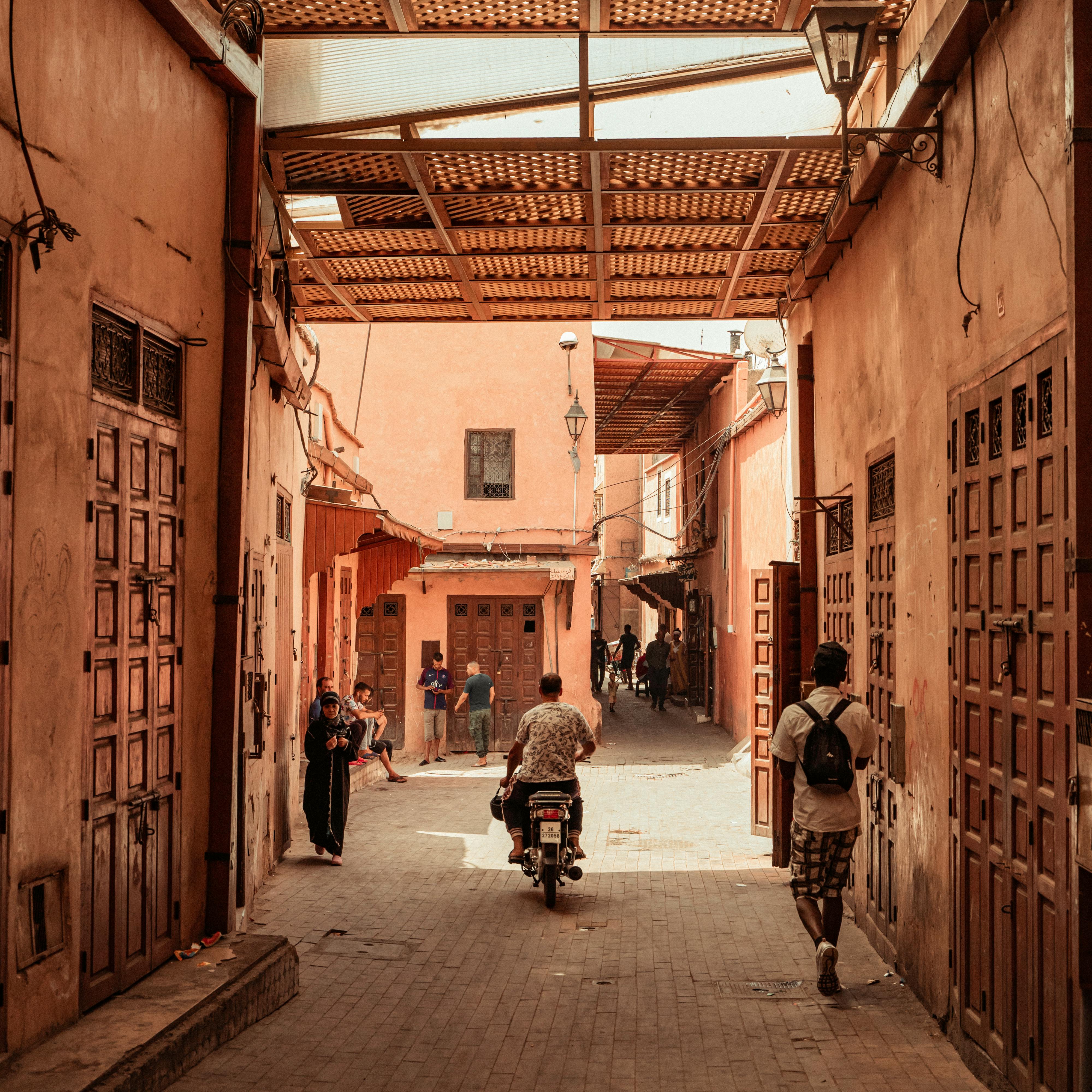
Morocco is a moderate Muslim country and dress standards vary considerably by location. At beach resorts and in Casablanca's city centre, Western dress is completely normal. In the ancient medinas, rural villages and mosques, more conservative dress is expected and genuinely appreciated.
✅ What Works Everywhere
- Loose trousers or long skirts (below the knee)
- Tops covering the shoulders
- Lightweight long-sleeve shirts
- Light scarf that can cover hair if needed
- Comfortable closed-toe walking shoes
- Smart-casual outfits for riad dinners
⚠️ Context-Dependent
- Shorts — fine at beach resorts, avoid in medinas
- Sleeveless tops — fine in Casablanca, cover up in Fes
- Swimwear — only at pools, beaches, hammams
- The more rural the area, the more conservative you should dress — it's a sign of respect that locals genuinely notice and appreciate
Documents & Money
📄 Documents
- Passport (valid 6+ months beyond travel dates)
- Printed hotel/riad bookings for first night
- Travel insurance policy + emergency number
- Driving licence if renting a car
- Printed or digital car rental confirmation
- Morocco does not require a visa for most Western passport holders — check the visa guide for your nationality
💰 Money
- Cash (MAD) — withdraw at airport ATMs on arrival
- Visa or Mastercard (widely accepted at hotels)
- Small bills for taxis, tips and souks
- A backup card stored separately from your wallet
- Haggling is expected in souks — have small MAD notes ready. 1 EUR ≈ 11 MAD (2026). Most medina vendors do not accept cards.
- Do not exchange money at airport exchange desks — ATMs give significantly better rates
Electronics & Connectivity
📱 Connectivity
- Airalo Morocco eSIM — activate before you fly; data from the moment you land
- Portable power bank (10,000mAh+)
- Type C / Type E plug adapter (if from UK or US)
- Charging cables for all devices
- Morocco's 4G coverage is excellent in cities; patchy in the Sahara and mountain areas. Download offline maps (Maps.me or Google Maps) before leaving the city.
📷 Camera & Tech
- Camera or smartphone (Morocco is extremely photogenic)
- Extra memory cards or cloud backup plan
- Waterproof phone case for coast and hammam
- Headphones for long bus/train journeys
- Laptop or tablet if working remotely
- Always ask permission before photographing people — it's polite and usually results in better portraits anyway
📡 Morocco eSIM — Stay Connected from Landing
No airport SIM queues, no roaming charges. An Airalo Morocco eSIM activates on your phone before you travel — 4G data ready the moment you step off the plane.
Get Airalo Morocco eSIM → We may earn a small commission at no extra cost to you.Health & Toiletries
💊 Health Essentials
- Personal prescription medications (bring extra)
- Imodium / anti-diarrheal (stomach bugs happen)
- Rehydration sachets (ORS) — critical in summer
- Antihistamines (dust and pollen in spring)
- Ibuprofen or paracetamol
- Antiseptic cream and plasters
- Morocco has good pharmacies (pharmacie) in all cities, marked with a green crescent. Many medications available without prescription.
🧴 Toiletries
- Sunscreen SPF 30–50 (harder to find locally)
- Insect repellent (summer, rural areas)
- Lip balm with SPF
- Hand sanitiser for medinas and markets
- Travel tissues and wet wipes
- Feminine hygiene products (limited range locally)
- Shampoo, soap and toothpaste are available everywhere in Morocco — no need to pack large quantities.
Sahara-Specific Packing
The Sahara requires a small but distinct packing list. Temperatures swing dramatically — it may be 35°C at midday and 5°C at 3am. Sand gets into everything.
🏜️ Desert Essentials
- Warm jacket or fleece — nights are genuinely cold Oct–Mar
- Headtorch with spare batteries
- Buff or light scarf to wrap around face in wind
- Sunglasses with UV protection
- Closed shoes or boots for dune walking
- Extra phone battery / power bank
- Cash only — no card payment in desert camps
🎒 Sahara Day Bag
- 2L+ water per person for dune walks
- Snacks for the long drive (7h+ from Marrakech)
- Lip balm — desert air is very dry
- Small zip-lock bags to protect phone and camera from sand
- Earplugs (wind on tent canvas is loud)
- Leave large luggage at your last guesthouse before heading into the dunes. Most camps provide bedding — you only need an overnight bag.
Day Pack Essentials
A small daypack (15–20L) is far more practical in the medinas than a large bag. You'll want it for every day of sightseeing.
🎒 Medina Day Pack
- Water bottle (1L minimum, refill at your riad)
- Sunscreen and lip balm
- Phone, camera and power bank
- Cash in a money belt or hidden pocket
- Light scarf or wrap (for mosques and cool spots)
- Small first aid kit
- Avoid wearing visible expensive jewellery in busy souks
- Anti-theft backpacks with hidden zips are worth it in very crowded areas like Jemaa el-Fna
🏖️ Beach Day Pack
- Swimwear and cover-up
- Sunscreen SPF 50+
- Towel (microfibre saves space)
- Waterproof phone case
- Cash for beach vendors and restaurants
- Sunglasses and hat
- Agadir's beach has sun lounger rentals (30–50 MAD/day). Essaouira's beach is windier — pack a windbreaker.
What to Leave at Home
❌ Don't Bother Packing
- Drones — require a permit; confiscated at airport without one
- Excessive jewellery — target in crowded medinas
- Too many shoes — 2 pairs maximum
- Large bottles of toiletries — buy locally
- Heavy guidebooks — use digital versions
- Morocco has fantastic shopping — leave room in your bag for purchases. Leather goods, argan products, pottery and textiles are all excellent value.
⚠️ Things to Know
- Alcohol is only sold at licensed restaurants, some hotels and a few supermarkets — not openly in medinas
- Cannabis is illegal in Morocco — do not purchase from street touts in Chefchaouen or elsewhere
- Morocco is a generally safe country, but keep valuables in your riad safe and use money belts in very busy areas
- Photography of government buildings, military sites and some individuals is prohibited
🛡️ Don't Forget Travel Insurance
Medical costs in Morocco are affordable but evacuation insurance matters — especially for Sahara trips and mountain trekking. World Nomads covers adventure activities most standard policies exclude.
Get a World Nomads Quote → We may earn a small commission at no extra cost to you.