After the 2026 World Cup: What It Means for Morocco 2030
The 2026 World Cup concluded in New York New Jersey. Now attention turns toward Morocco, Spain and Portugal — and the preparations already reshaping Moroccan football.
Editor's note: This article was originally published on 9 July 2026, before the FIFA World Cup Final, and has been updated after the tournament to reflect the transition toward 2030.
The 2026 FIFA World Cup has ended. One nation lifted the trophy in New York New Jersey. The players celebrated. The confetti fell. And then, almost immediately, the football world turned to the question it always asks the moment a tournament concludes: who will win the next one?
The 2026 World Cup ended in New York New Jersey. Four years later, the tournament will move to Morocco, Spain and Portugal, with centenary celebration matches in Argentina, Uruguay and Paraguay. Every nation that competed — including the 2026 champion — sets its sights on the next four years. And Morocco, for the first time in history, will be waiting as a host nation.
"The 2026 World Cup is over. Four years from now, the tournament arrives in Morocco for the first time — on African soil, in stadiums Morocco is building and modernising for 2030."
World Cup passion — felt across Morocco, across Africa, and across every Moroccan diaspora community in the world.
What the 2026 Final Means for 2030
Every World Cup Final creates the next one's story. The tension, the narrative, the teams that got close but didn't make it — all of it feeds into four more years of football. For Morocco, the 2026 tournament has already written a powerful chapter. The Atlas Lions reached the quarter-finals, falling to France 2-0 in a match of extraordinary intensity — the same France side that went on to the semi-finals. Morocco went home with their heads high, having once again demonstrated why they are one of Africa's leading national teams. And they know something the rest of the football world is now also digesting: 2030 is not a distant dream — it is four years away, on Moroccan soil, in Moroccan stadiums, in front of the Moroccan people.
The 2026 champion now has four years before the next World Cup. Morocco will host the tournament for the first time — and a World Cup in North Africa will be unlike any that has come before. The culture, the climate, the football atmosphere — it will be different from anything the title holder has previously encountered. That is not a warning. It is an invitation.
The Stadium Morocco Is Building for 2030
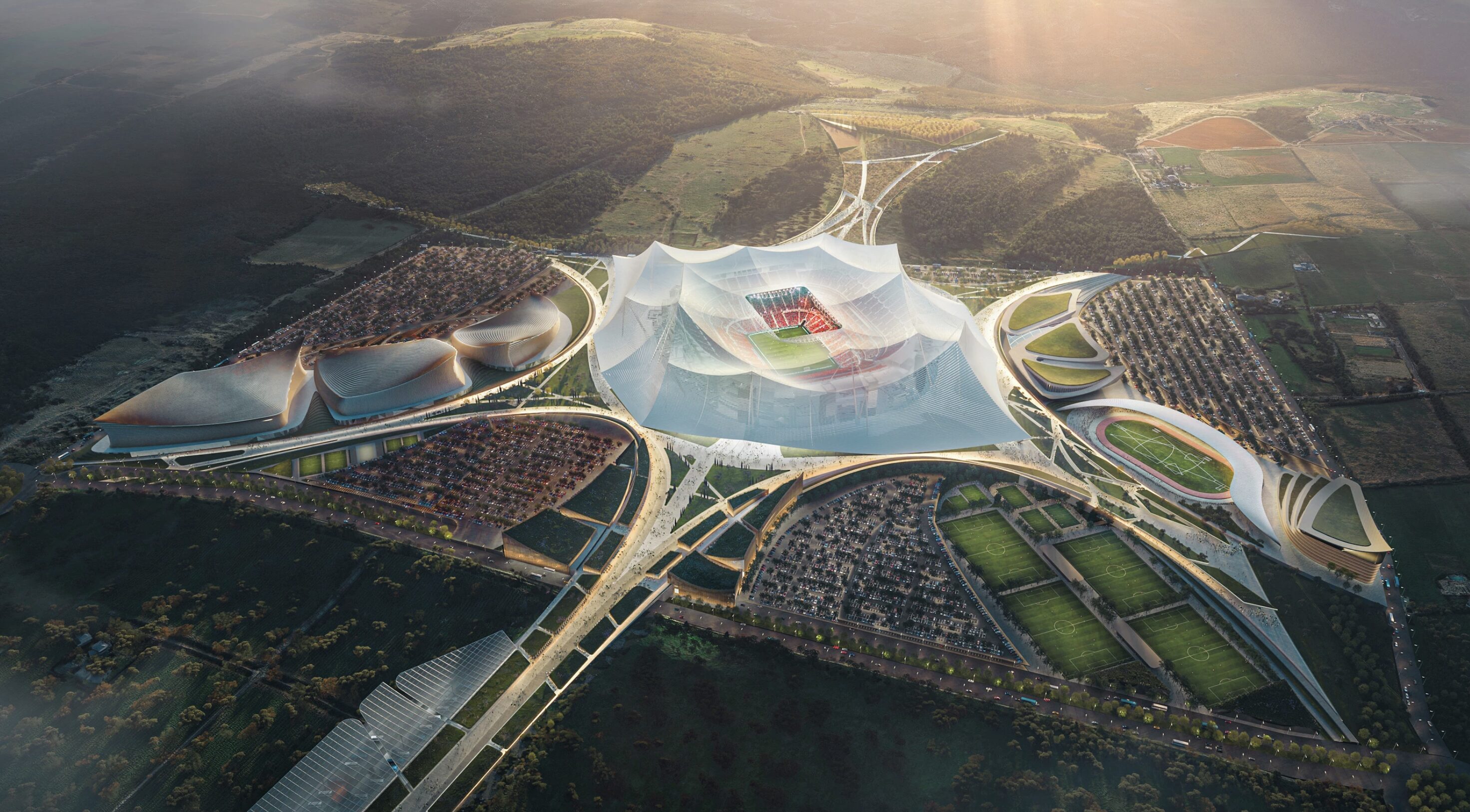
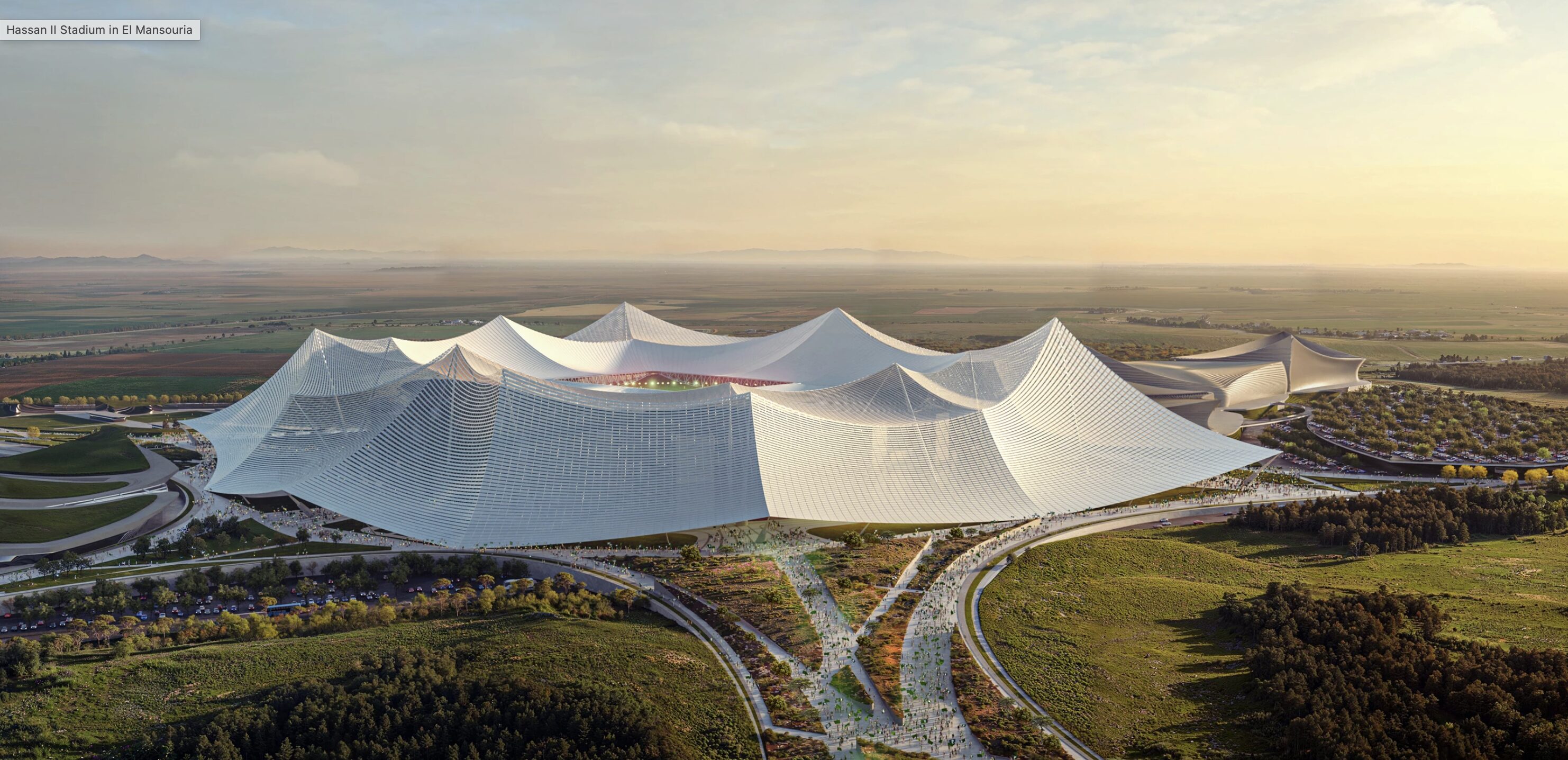
Morocco's planned 115,000-seat Grand Stade Hassan II, one of the most ambitious stadium projects associated with the 2030 World Cup, is under construction in the commune of El Mansouria in Benslimane Province, approximately 38 kilometres from Casablanca. With a planned capacity of 115,000, it is projected to become one of the world's largest football stadiums. FIFA has not formally confirmed the host venue for the 2030 World Cup Final. What is confirmed is that Morocco is building a stadium of extraordinary scale — in the greater Casablanca region, by a country that has transformed itself over the past decade to earn this tournament.
115KPlanned capacity — Grand Stade Hassan II
6Moroccan host cities
2030World Cup comes to North Africa
1stWorld Cup arrives in North Africa
The 2026 Final was played at New York New Jersey Stadium (MetLife Stadium) — a venue of 82,500 seats that has hosted Super Bowls and some of the biggest events on earth. It was an extraordinary setting for the close of a tournament. In four years, the football world will travel to Morocco, Spain and Portugal. For Morocco, football is not simply a sport but an expression of national identity, and the country has been working toward hosting this tournament since its first World Cup bid in 1994.
The Grand Stade Hassan II — under construction in El Mansouria, Benslimane Province, approximately 38 km from Casablanca, with a planned capacity of 115,000 spectators. FIFA has not formally confirmed the 2030 World Cup Final venue.
Morocco's Six Host Cities
With the 2026 World Cup concluded, six Moroccan cities are already in preparation mode. Casablanca, Rabat, Marrakech, Fes, Tangier and Agadir — each extraordinary in its own right, each building or renovating the stadiums, hotels, transport links and airports that will receive the world in 2030. Together they offer a tournament itinerary unlike anything the World Cup has offered before: from the cosmopolitan Atlantic coast to the medinas of Fes and Marrakech, from the Mediterranean gateway of Tangier to the beach resort warmth of Agadir.
🏨 Start Planning Your 2030 Morocco TripBook accommodation now — before 2030 demand drives prices up
Casablanca — Morocco's economic capital and the nearest major city to the Grand Stade Hassan II construction site. The Hassan II Mosque, rising from the Atlantic, is one of the world's most spectacular landmarks. FIFA has not formally confirmed the 2030 World Cup Final venue.
Why the 2026 Final Was the Beginning, Not the End
For football fans who watched the 2026 Final, the instinct was to see it as a conclusion: a tournament completed and a champion crowned. But for anyone following what Morocco has built over the past decade — on the pitch and beyond — that final whistle also opened the 2030 chapter.
Morocco's football story did not begin in Qatar in 2022, when the Atlas Lions shocked Spain and Portugal and went further than any African nation ever had. It began in training grounds in Salé, in the Académie Mohammed VI de Football, in the boardrooms of the FRMF where coaches and directors made the decision to build something systematic and patient and generational. That system produced the team that made 2022 historic. It produced the team that made 2026 historic. It is building the team that will compete at the 2030 World Cup on home soil — in front of their own people, in some of the most ambitious stadiums the continent has ever seen.
"Morocco did not watch the 2026 Final as spectators. Morocco watched knowing that in 2030, for the first time in history, the tournament comes to them."
Morocco's Transformation Goes Beyond Football
The country that will host the 2030 World Cup is not merely a football story. It is an emerging economic powerhouse — Africa's largest car exporter, home to the continent's only high-speed rail network, the operator of the Mediterranean's biggest port, and a leader in renewable energy with the Noor Ouarzazate solar complex visible from space. FIFA did not award the 2030 World Cup to Morocco on sentiment. They awarded it on evidence: a country that sets ambitious targets and delivers them, a government that invests for the long term, and a people who welcome the world with a warmth that every visitor to Morocco carries home with them.
The 2026 Final has been played. The trophy has been lifted. The stadium lights have dimmed in New York New Jersey. Now open a map of Morocco. Find the region south of Casablanca, where the Grand Stade Hassan II is rising from the plain. And understand that the story of this World Cup is not quite over yet.
In four years, it comes home. To Morocco. And the whole world is invited.
🦁 Morocco 2026 → 2030: The Full Story
A semi-final in 2022. A quarter-final in 2026. A decade of building — the academy, the players, the stadiums, the nation. Read the story behind the journey.