
Quick Planning Reference
- Season: Late summer moving gradually toward early autumn
- Best for: Music festivals, Atlantic coast, city breaks, cultural itineraries
- Confirmed events: L'Boulevard, Tanjazz, MOGA Festival
- Atlantic coast: Generally more moderate than the interior
- Imperial cities: Can remain warm, especially early in month
- Atlas Mountains: Rewarding with preparation for changing temperatures
- Sahara: Later September preferable; daytime heat can persist
- Planning advice: Reserve early around confirmed festival dates
September occupies one of the most interesting positions in Morocco's travel calendar. The month begins with much of the country still feeling like summer. Atlantic beaches remain active, evenings are lively and inland cities can retain considerable daytime heat. As September progresses, conditions generally begin moving toward autumn: northern cities become increasingly attractive, cultural travel becomes more comfortable and the country's festival calendar connects Casablanca, Tangier and Essaouira.
For travelers who want to combine Morocco's cities, coastline and music scene, September can be an excellent time to visit. It is not, however, identical across the Kingdom. Morocco stretches from the Mediterranean and Atlantic coasts to the Atlas Mountains and the Sahara. Conditions in breezy Essaouira can differ sharply from those in Marrakech or the desert. A successful September trip depends less on finding one supposedly perfect destination and more on matching the itinerary to the traveler.
Weather note: This guide describes typical September conditions—not a daily forecast. Temperatures, rainfall, wind and sea conditions vary by location and year. Consult current Moroccan weather information shortly before departure.
Is September a Good Time to Visit Morocco?
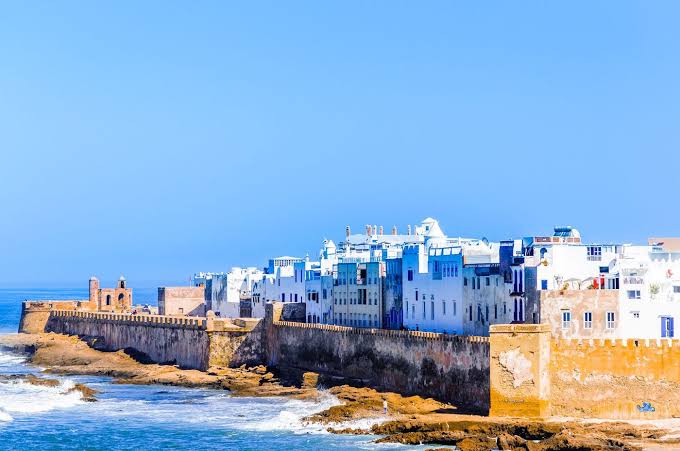
For many visitors, yes. September offers a useful compromise between summer energy and autumn travel. Coastal destinations remain active, while the most intense domestic holiday period begins to subside. Cultural cities become easier to explore as the month progresses, and the event calendar provides specific reasons to visit Casablanca, Tangier and Essaouira.
The month is particularly suited to travelers who want a city-and-coast itinerary, music and cultural events, Atlantic beaches without organizing an entire trip around peak summer, or a first visit combining Marrakech, Fez or Casablanca with northern or coastal Morocco.
September is less suitable for travelers who are highly sensitive to heat and want to spend most of their time in Marrakech, Fez or the Sahara during the first half of the month. The best solution is usually balance: combine a warmer inland destination with the Atlantic coast or northern Morocco.
Typical September Weather by Region
Atlantic Coast

Casablanca, Essaouira, Agadir and other Atlantic destinations generally experience more moderate conditions than Morocco's interior. Ocean influence can reduce daytime heat, particularly in Essaouira, where wind is a defining part of the local climate. Casablanca combines warm conditions with coastal humidity, while Agadir remains attractive for travelers seeking an established beach resort.
Morning cloud or coastal haze can occur. Bring sun protection even when the air feels cool — Atlantic wind and cloud can disguise the strength of the sun.
Tangier and Northern Morocco
Tangier and the northern regions become increasingly appealing in September. Warm days can continue, but the approach to autumn generally makes city walks, terraces and cultural visits more comfortable than during the hottest part of summer. Chefchaouen, located in the Rif Mountains, may feel different from the coast. Walking through its steep streets remains physically demanding, so early mornings and later afternoons are often preferable.
Marrakech and the Interior
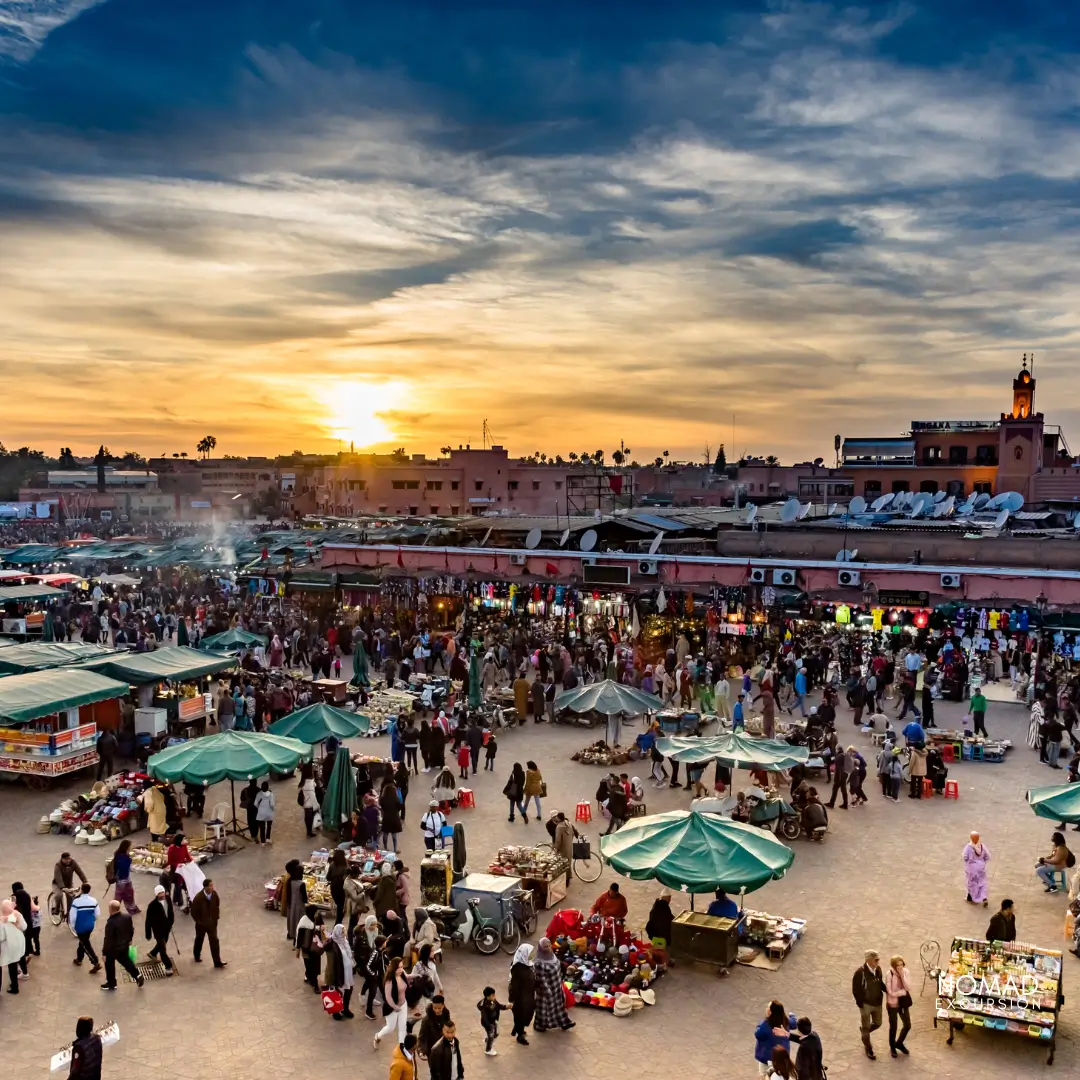
Marrakech can remain hot in September, especially during the first part of the month. Visitors should plan around the rhythm of the day: explore early, rest during the hottest afternoon hours, return to the medina toward evening. September evenings can make courtyards, rooftops and outdoor dining particularly enjoyable, but visitors should not treat the month as fully autumnal.
Fez and Meknes
Fez can also retain substantial daytime warmth. The medina involves long periods of walking, narrow passages, steps and uneven surfaces. An early start is useful, followed by a slower afternoon and an evening return to cultural areas. As the month advances, Fez becomes increasingly attractive for travelers interested in architecture, craftsmanship and history.
Atlas Mountains
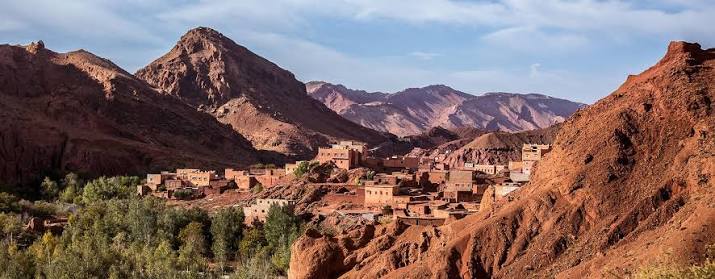
The Atlas Mountains offer a different September experience. Valleys can remain warm during the day, while higher elevations may cool rapidly after sunset. Travelers should check local conditions, carry water, use appropriate footwear, bring a light insulating layer and use an experienced local guide for demanding routes. Do not assume that conditions in Marrakech represent conditions at elevation.
Sahara and Southeastern Morocco
The Sahara should be approached cautiously in September. Strong daytime heat can persist, particularly in the first half of the month. Desert excursions should prioritize reputable operators, safe transportation, hydration and realistic schedules. Sunrise and sunset provide the most atmospheric conditions. Travelers whose main objective is a comfortable desert experience may prefer later autumn.
Confirmed Events in September 2026
Three events with confirmed September 2026 dates make this month particularly well-suited to a culture-focused itinerary. Verify each event's final program, venues and access arrangements directly with the official organizer before travel.
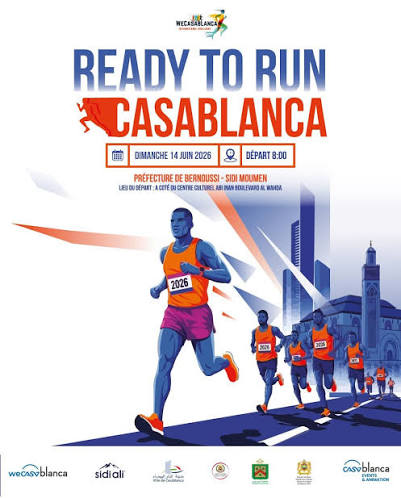
L'Boulevard
17–20 September 2026
L'Boulevard brings Morocco's urban and alternative music cultures into focus through hip-hop, rock, metal, electronic and experimental performances. The festival reflects a side of Casablanca that conventional travel guides often overlook: young, energetic, creative and connected to contemporary Moroccan identity.
A festival visit pairs well with Hassan II Mosque, the Corniche, Habous and Casablanca's contemporary restaurants and cultural spaces. Note: L'Boulevard (17–20 September) and Tanjazz (18–20 September) overlap — travelers wishing to attend both should plan accordingly, as the cities are approximately 2h 10min apart by high-speed rail.

Tanjazz
18–20 September 2026
Tanjazz is one of the clearest reasons to visit northern Morocco in September. Jazz fits naturally into Tangier's international story — the city has long occupied a meeting point between Morocco, Europe, Africa and the wider Mediterranean world. Its artistic reputation was shaped by Moroccan culture as well as generations of visiting writers, musicians and travelers.
A Tanjazz weekend can include the Kasbah, Tangier's medina, the Corniche, Cap Spartel and a possible Chefchaouen extension afterward.

MOGA Festival
30 September – 4 October 2026
MOGA begins on the final day of September and continues into October, making it particularly relevant to travelers planning a late-September trip. The festival combines electronic music, cultural programming and Essaouira's Atlantic atmosphere. The city's scale allows visitors to move between the medina, ramparts, port, beach and festival activities without losing the sense of place.
Visitors arriving for MOGA should confirm the official program, venues, ticket categories and accommodation in advance. Festival weekends typically increase demand for central medina properties — travelers with specific accommodation preferences may benefit from reserving earlier once the official program has been verified.
The Best Places to Visit in September 2026
Morocco's September destinations suit different traveler priorities. The following assessments are based on typical September conditions and each city's particular advantages during the month — not a single universal ranking.

Tangier
Tangier is our leading September recommendation for travelers seeking culture, atmosphere and an event-led city break. Tanjazz adds immediate relevance, while the city's northern location can make it more comfortable than Morocco's hottest interior destinations.
Tangier works especially well for a three- or four-night stay followed by Chefchaouen, Tetouan, Rabat or Casablanca. Its strength is variety: medina history, European architectural influences, contemporary development, beaches and the landscape of the Strait.
Best for: Jazz, northern Morocco, culture and city atmosphere
Stay: Medina and Kasbah for atmosphere; modern central areas for easier vehicle access
Read the Tangier city guide →Essaouira
Essaouira is one of Morocco's most reliable answers to lingering September heat. The city offers a more relaxed rhythm than Marrakech, along with ramparts, seafood, galleries, music and a broad Atlantic beach. MOGA gives late September an additional international attraction.
Wind remains part of the experience. Travelers wanting completely still beach conditions should not assume that Essaouira behaves like a sheltered Mediterranean resort. Choose Essaouira for walking, culture, photography, seafood, music, surf or wind sports and a slower coastal stay.
Best for: Atlantic atmosphere, MOGA Festival, relaxed coastal itinerary
Read the Essaouira guide →

Casablanca
Casablanca is strongest in September for travelers interested in contemporary Morocco. L'Boulevard provides a cultural anchor, but the city also rewards visitors who look beyond the idea that Casablanca is merely an arrival point.
A two- or three-night visit can include architecture, the Corniche, Hassan II Mosque, Habous, restaurants and modern Moroccan urban life. Casablanca also offers excellent rail connections for combining the city with Rabat, Tangier, Fez or Marrakech.
Best for: L'Boulevard, contemporary culture, urban architecture
Read the Casablanca guide →Further September Destinations
Marrakech
September is a transitional month for Marrakech. Plan early sightseeing, slower afternoons and lively evenings. Pairs well with Essaouira or the Atlas Mountains. Marrakech guide →

Fez
Ideal for architecture, craftsmanship and history. An early start and knowledgeable guide reward the effort. Pairs well with Rabat, Meknes or Tangier. Fez guide →

Agadir
Comfortable beach resort infrastructure, Atlantic swimming, golf and excursions along the southern coast. A straightforward September coastal base. Agadir guide →
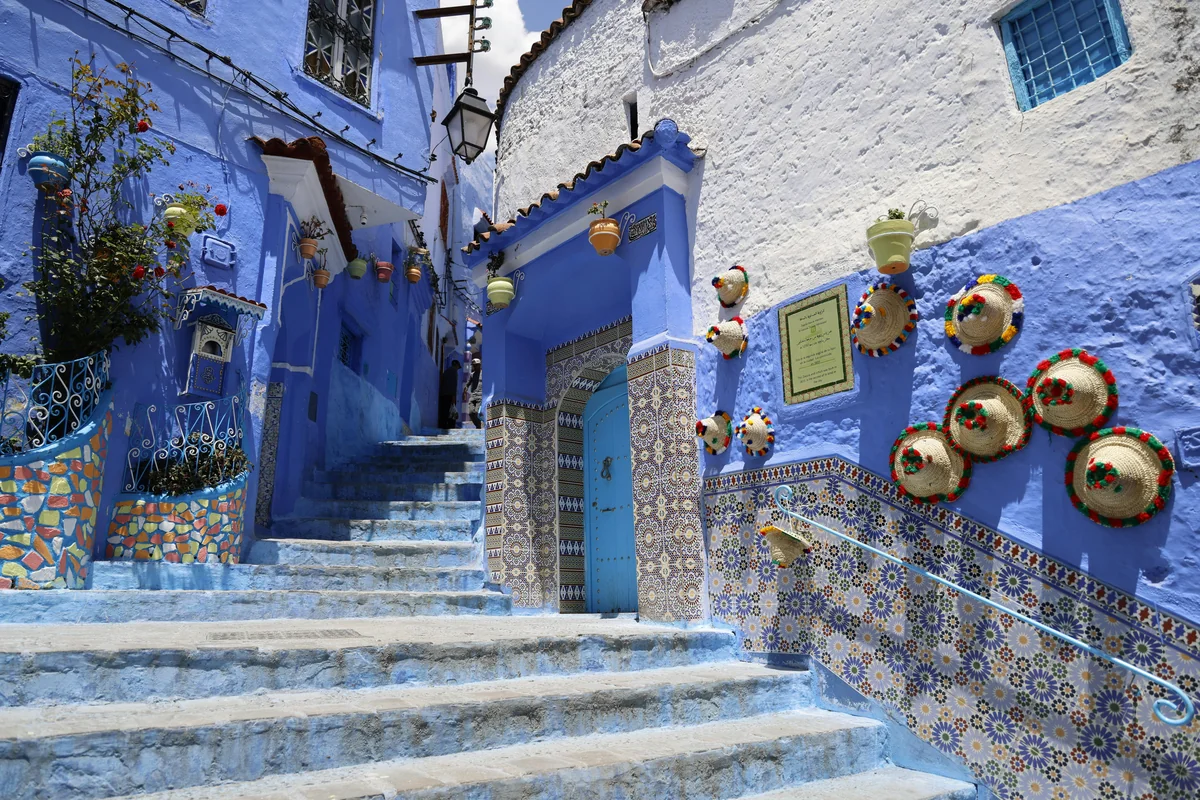
Chefchaouen
Best as an overnight extension from Tangier. Steep terrain — start early, stay late. Morning and evening offer a calmer experience than peak hours. Chefchaouen guide →
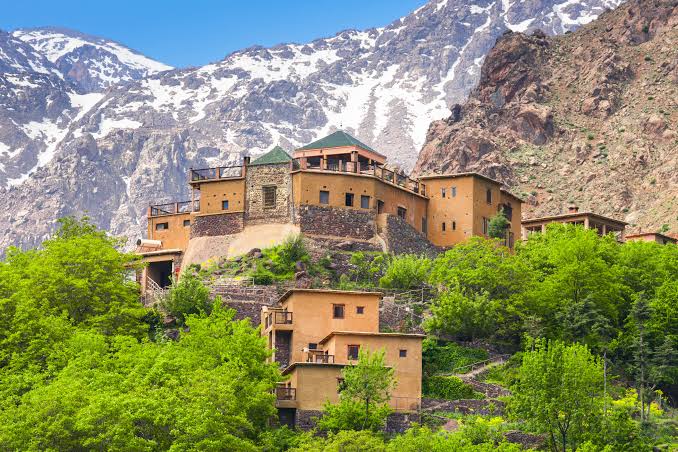
Atlas Mountains
Village visits and hiking with dramatic altitude changes. Route selection should match experience and fitness. Specialist guidance appropriate for demanding routes.
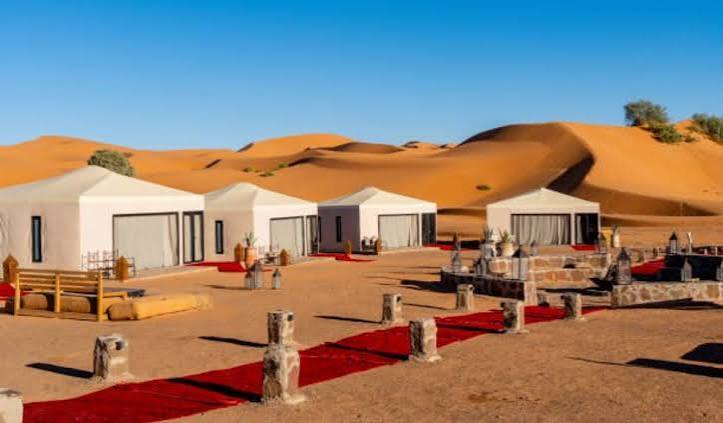
The Sahara
Visually magnificent but potentially hot in early September. Later in the month is generally preferable. Use a reputable operator and plan sunrise and sunset. Sahara guide →
Coast, Imperial Cities, Mountains or Desert?
| Travel priority | Strong September choices |
|---|---|
| Music festivals | Casablanca, Tangier, Essaouira |
| Moderate coastal conditions | Essaouira, Agadir, Tangier |
| History and architecture | Fez, Marrakech, Rabat |
| Beach holiday | Agadir and selected Atlantic destinations |
| Northern itinerary | Tangier, Tetouan, Chefchaouen |
| Hiking and villages | Atlas Mountains with current-condition checks |
| Desert landscapes | Later September with heat precautions |
| Golf | Agadir, Marrakech, Rabat and Casablanca regions |
| Contemporary Morocco | Casablanca and Tangier |
Further information: Morocco Music Festivals guide · Morocco Beaches guide · Golf in Morocco
Suggested Seven-Day September Itinerary
This itinerary is suited to travelers focused on northern Morocco and music. Note that L'Boulevard (Casablanca, 17–20 September) and Tanjazz (Tangier, 18–20 September) run in the same period — most travelers will need to choose one festival as their primary destination rather than attending both in full.
Northern Morocco · Music Focus · 7 Days
Visit Hassan II Mosque, the Corniche and Habous. Explore contemporary cultural areas. L'Boulevard runs 17–20 September at Stade R.U.C — confirm the full program at boulevard.ma before travel. Good rail connections mean no need for a car in this phase.
Travel north by train (Al Boraq high-speed rail recommended). Explore the medina, Kasbah and coastline. Visit Café Hafa and Cap Spartel. Attend Tanjazz if visiting during the confirmed 18–20 September weekend.
Continue by road or shared transport to Chefchaouen. Stay overnight for a slower exploration of the blue medina. Return to Tangier for onward travel, or continue south to Fez.
Suggested Ten-Day September Itinerary
This itinerary combines urban Morocco, an imperial city and the Atlantic coast without excessive internal travel. It works well for first visits and can be extended to incorporate late-September MOGA Festival dates. For a fuller route, see the Morocco 10-Day Itinerary guide.
Classic Morocco · Atlantic Coast · 10 Days
Use Casablanca as the arrival point and contemporary introduction to Morocco. Hassan II Mosque, La Corniche, Habous quarter and the city's modern architecture.
Travel by rail. Explore Jemaa el-Fna, the souks, Bahia Palace, Majorelle Garden and riads. Plan early mornings and slower afternoons — September heat should be respected, particularly in the first half of the month.
Move to the Atlantic coast by road (approximately 2.5–3 hours from Marrakech). Explore the medina, ramparts, fishing port and beach. Late-September visitors can incorporate MOGA Festival. Book accommodation early.
Return to Casablanca for the final night and departure. Use the extra time to explore areas missed on arrival — Rick's Café, the old medina or Mohammed V Square.
What to Pack for Morocco in September
A September packing list should balance warmth protection, modest coverage and practical travel essentials. Do not pack exclusively for intense heat — coastal evenings, northern cities and mountain elevations may feel considerably cooler than Marrakech during the afternoon. The MoroccoPassport packing guide provides a full seasonal breakdown.
- Lightweight, breathable clothing
- Comfortable walking shoes
- Sun hat
- Sunglasses
- Sunscreen (30+ SPF)
- Refillable water bottle
- Light evening layer
- Modest clothing for religious sites
- Small day bag
- Swimwear for coastal stays
- Stronger footwear for mountains
- Portable battery or powerbank
- Prescription medication as required
- Copies of travel documents
A light layer packed in a day bag serves equally for Essaouira's ocean wind, Tangier's September evenings and mosque visits in Marrakech. It is the single most useful September addition regardless of which region you visit.
Traveling Around Morocco
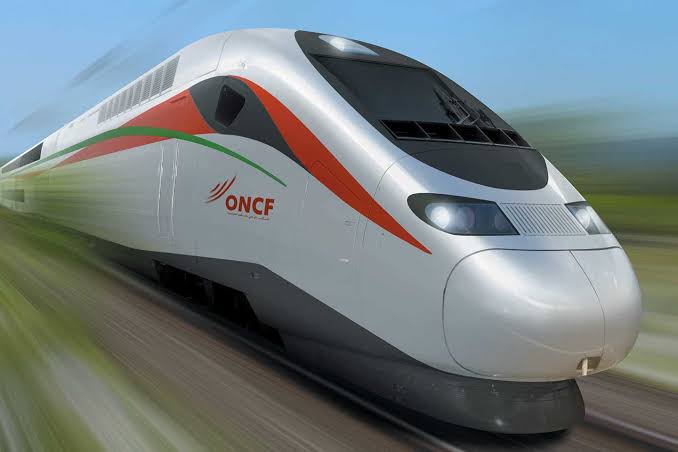
Morocco's rail system connects many of the destinations most relevant to this guide. Rail is particularly useful between Tangier, Rabat, Casablanca, Fez and Marrakech. Check schedules and fares directly with ONCF, Morocco's national railway.
Essaouira, Agadir, Chefchaouen and desert destinations require road transportation for at least part of the journey. Options include coaches, shared or private transfers and rental cars. A rental car is most useful for travelers exploring multiple smaller destinations — it is not necessary for a straightforward Casablanca–Rabat–Tangier or Casablanca–Fez itinerary.
Inside medinas, expect to walk. Historic districts are not designed around vehicle access.
- Tangier ↔ Casablanca: Al Boraq high-speed rail — approximately 2h 10min
- Casablanca ↔ Marrakech: Train — approximately 3h
- Casablanca ↔ Fez: Train — approximately 4h
- Marrakech ↔ Essaouira: Road (bus or transfer) — approximately 2h 30min–3h
- Tangier ↔ Chefchaouen: Road — approximately 2h
- Airport transfers: Pre-book from major airports (Casablanca, Marrakech, Agadir, Tangier)
For more detail: Car rental in Morocco guide
Where to Stay and When to Reserve
Accommodation should be selected according to the trip — not simply by star rating. Medina riads offer atmosphere and character; modern hotels offer air conditioning and easier vehicle access. For festival periods, both matter.
Booking note: Verify each festival's official program and venue before booking non-refundable accommodation. Program details, venue assignments and event schedules can change. Do not commit to non-refundable bookings based solely on unverified third-party sources.
For L'Boulevard — Casablanca (17–20 September)
Central Casablanca, the city center or areas with straightforward public transport links to Stade R.U.C. Check the official L'Boulevard program at boulevard.ma for venue details before reserving. Festival weekends may increase demand for centrally located hotels; travelers with specific property preferences may benefit from reserving once the confirmed program is available.
Travel partner: Search Casablanca hotels on Booking.com ↗ — affiliate link; MoroccoPassport may earn a commission at no cost to you.
For Tanjazz — Tangier (18–20 September)
Medina and Kasbah hotels offer the most atmospheric Tangier experience. Modern central areas suit travelers arriving by car or preferring easier luggage access. The Tanjazz weekend is well-established, and travelers seeking specific properties — particularly small medina riads — may find it worthwhile to reserve once the official program and venues are confirmed.
Travel partner: Search Tangier hotels on Booking.com ↗ — affiliate link; MoroccoPassport may earn a commission at no cost to you.
For MOGA — Essaouira (from 30 September)
Medina riads offer the closest experience to Essaouira's character; accommodations near the beach or port give easier access to festival venues. MOGA draws an international audience, and travelers with a preference for specific properties — particularly smaller medina riads — may benefit from reserving after verifying the official program and venue details.
Travel partner: Search Essaouira hotels on Booking.com ↗ — affiliate link; MoroccoPassport may earn a commission at no cost to you.
In the Medinas Generally
Before booking, confirm: how far the riad is from vehicle access; whether luggage assistance is available; whether late-night arrival is possible; whether air conditioning is present; and whether transfers from the nearest road access point are arranged by the property.
For accommodation inspiration and Marrakech stays: Best riads in Marrakech · Best riads in Fez
Travel partner: Search Marrakech hotels on Booking.com ↗ — affiliate link; MoroccoPassport may earn a commission at no cost to you.
September 2026: Our Assessment
September 2026 is strongest when treated as a month of transitions. Summer has not completely left the interior, but northern and coastal Morocco become increasingly compelling. Three confirmed events give the month a strong cultural character.
L'Boulevard (Casablanca, 17–20 September) and Tanjazz (Tangier, 18–20 September) run in the same period. Most travelers will need to choose between them rather than attending both in full — the cities are 2h 10min apart by high-speed rail. MOGA (Essaouira, from 30 September) stands apart at the end of the month, offering a natural extension to an Atlantic itinerary.
- Tangier — Our strongest recommendation for a complete September city break
- Essaouira — Atlantic atmosphere and late-month MOGA
- Casablanca — Contemporary Morocco and L'Boulevard
- Marrakech plus Essaouira — The classic first visit combination
- Fez plus Tangier — History and northern culture
The central planning principle is simple: use the coast and north to balance the continuing warmth of the interior.
Book Tours & Experiences for September
Guided medina walks, Sahara day trips, hammam sessions and cooking classes — book through Viator for verified operators and flexible cancellation.
Check Tour Availability on Viator →Affiliate disclosure: We may earn a small commission at no extra cost to you.
Frequently Asked Questions
Is September a good month to visit Morocco?
Is Marrakech still hot in September?
Can I visit the Sahara in September?
Which September 2026 festivals are confirmed?
Is September suitable for Moroccan beaches?
Should I book hotels early for September?
What should I wear in Morocco in September?
Do I need a rental car in September?
Travelers should verify current information through official organizers and authoritative sources. Event programs, venues and transportation schedules can change after publication.
- L'Boulevard — Official organizer (boulevard.ma) — 17–20 September 2026, Stade R.U.C, Casablanca. Dates sourced from boulevard.ma.
- Tanjazz — Official organizer (tanjazz.org) — 18–20 September 2026. Dates confirmed on the festival overview page at tanjazz.org/festival/. September 20 artists are listed as forthcoming ("d'autres annonces à venir").
- MOGA Festival — Official organizer
- MoroccoPassport International Events Calendar 2026–2027
- ONCF — Morocco national railway (schedules and fares)
- Weather guidance based on historical climate data and seasonal patterns. Travelers should consult current meteorological forecasts shortly before departure.