High in Morocco's Rif Mountains, a city of blue-painted walls rises across a steep hillside.
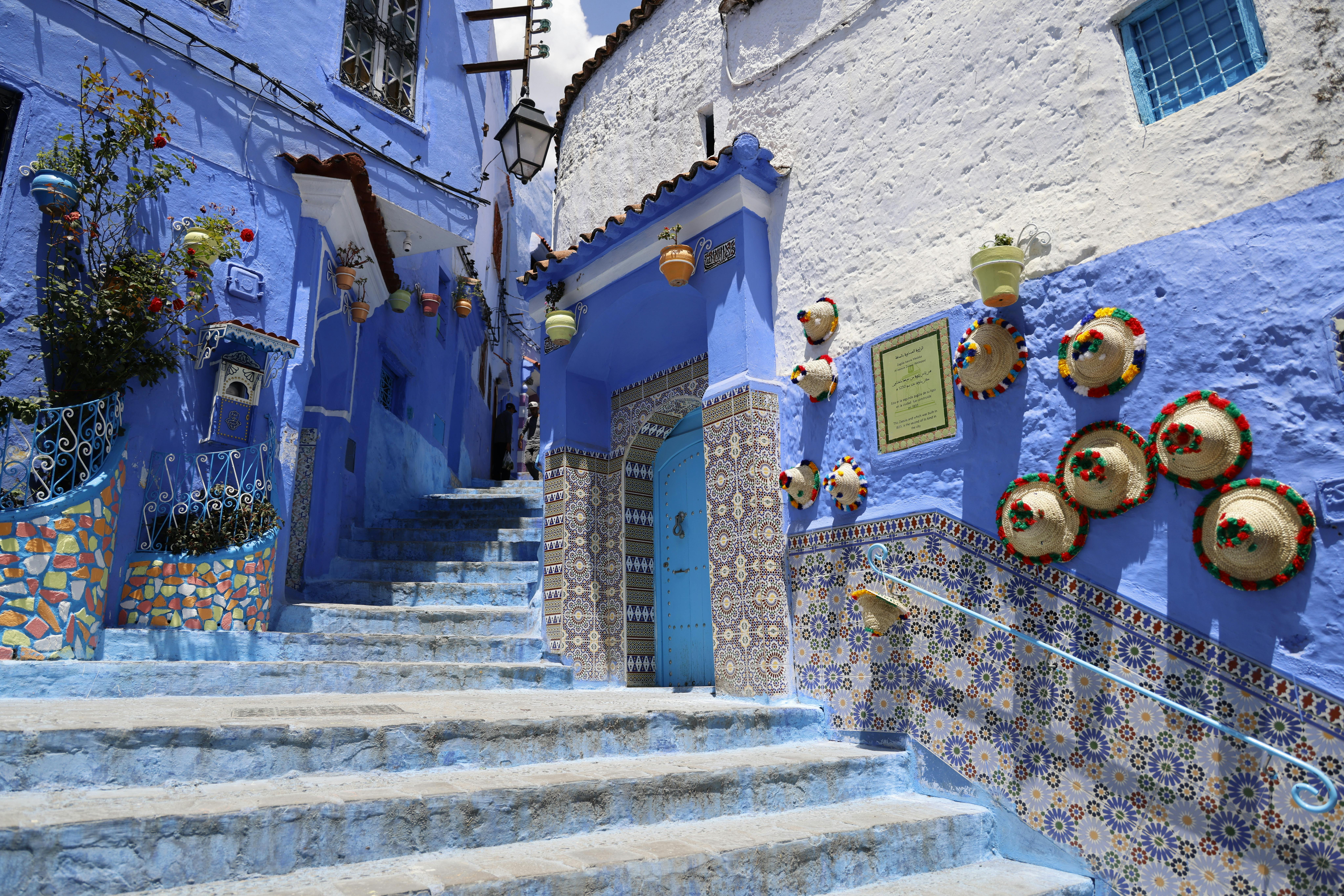
Chefchaouen is often introduced through a single image: a narrow staircase washed in indigo, framed by flowerpots and an old wooden door. The photograph is beautiful — but it tells only a fraction of the story.
Behind those blue walls is a living northern Moroccan city shaped by mountain geography, defensive history, Andalusian influence, religious tradition, craftsmanship and the routines of families who call the medina home. Its streets lead not only to carefully photographed corners but also to neighborhood ovens, working fountains, small workshops, mosques, cafés and homes.
Chefchaouen rewards the traveler who slows down. Come for the blue. Stay long enough to notice everything around it.
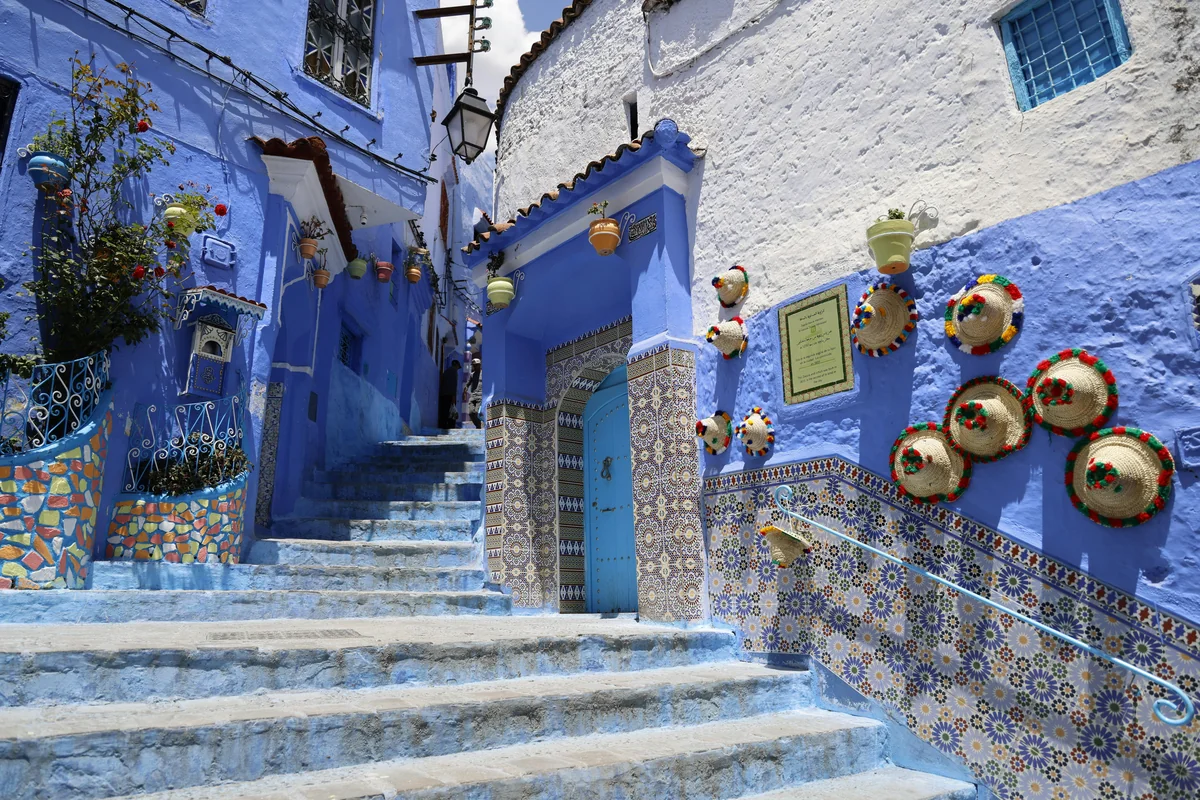
Chefchaouen's blue medina seen across the Rif Mountains — the city's geography is as much part of its identity as its painted walls.
In this guide
- Is Chefchaouen worth visiting?
- Why it deserves more than a photograph
- History and the question of the blue
- Best things to do
- One, two or three days
- Best time to visit
- How to get to Chefchaouen
- Where to stay
- What to eat
- Shopping and local crafts
- Akchour and the Rif Mountains
- Responsible photography
- Safety and practical advice
- Frequently asked questions
Is Chefchaouen Worth Visiting?
Yes — particularly if you stay overnight.
A short day trip can show you the main square and several famous blue lanes, but Chefchaouen becomes more rewarding after some of the day visitors leave. Morning light, evening activity around Place Outa El Hammam and a quiet walk through the upper medina provide a more complete experience than a hurried photographic stop.
Why Chefchaouen Deserves More Than a Photograph
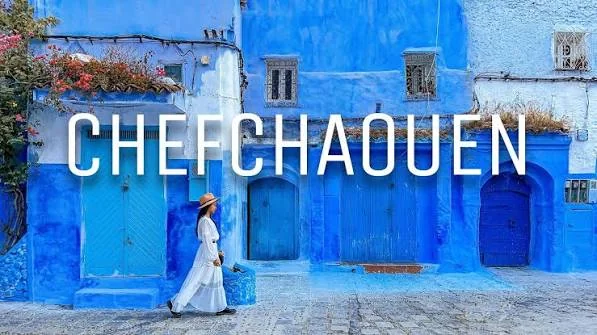
Chefchaouen is among Morocco's most recognizable destinations. Its blue stairways, arched passages and painted doors have traveled farther across social media than many visitors ever travel through the city itself.
That visibility has been valuable. It has brought global attention to a relatively small mountain city and created opportunities for guesthouses, guides, restaurants, drivers and craftspeople.
It has also created a temptation to experience Chefchaouen as a collection of backgrounds. The better approach is to treat the medina as a place rather than a set. The blue walls are beautiful because they belong to an environment with texture and rhythm: bread being carried home, children walking through familiar passages, crafts displayed outside small shops, water moving through Ras El Maa and the call to prayer crossing the valley.
Chefchaouen is photogenic almost everywhere. You do not have to chase every staircase that became famous online. Walk without a strict route and allow the city to reveal its quieter corners.
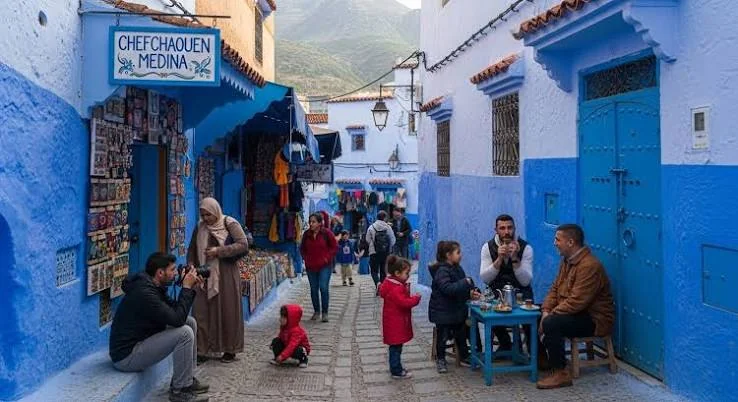

A Mountain City Built for Defense

Chefchaouen was founded in 1471 in a strategically protected position in the Rif Mountains. Its early fortified center developed during a period of Portuguese expansion along Morocco's northern coast.
The Kasbah and defensive settlement became the nucleus around which the city grew. Chefchaouen later received Muslim and Jewish families displaced from the Iberian Peninsula, reinforcing the Andalusian character visible in parts of its architecture and urban culture.
The city's name is commonly connected to the Amazigh expression for "the horns," traditionally understood as a reference to the mountain peaks rising above it.
This was never a city designed for vehicles. It was designed around feet, animals, water and the contours of the mountain.
Why Is Chefchaouen Blue?
The honest answer is more complicated than most travel captions suggest. Several explanations are repeated: blue was introduced or expanded by Jewish residents as a spiritual symbol; the color evokes the sky; blue helps walls appear cooler; it discourages mosquitoes; the city gradually embraced blue as a distinctive civic identity.
Some of these traditions may contain elements of truth, and practices may have changed across different neighborhoods and periods. However, the evidence does not establish one simple explanation that accounts for every blue wall or precisely dates the transformation of the entire medina.
What can be observed is a continuing local practice. The blue is renewed in many tones — from pale powder blue to deep indigo — and has become part of Chefchaouen's modern identity.
What We Know — and What Remains Uncertain
Chefchaouen's blue appearance is authentic, even if its most popular origin stories are not equally documented. MoroccoPassport does not present one attractive explanation as settled history when the evidence remains incomplete.
The uncertainty does not weaken the city's story. It reminds us that traditions can accumulate gradually, acquiring new meanings as generations inherit and reinterpret them.
The Best Things to Do in Chefchaouen
1. Walk the Medina Before the Crowds Arrive
The medina is Chefchaouen's defining experience, and early morning is its most revealing hour. Shops are still opening. Deliveries move through the narrow streets. The light is softer, and the most photographed staircases have not yet filled with visitors waiting for identical pictures.
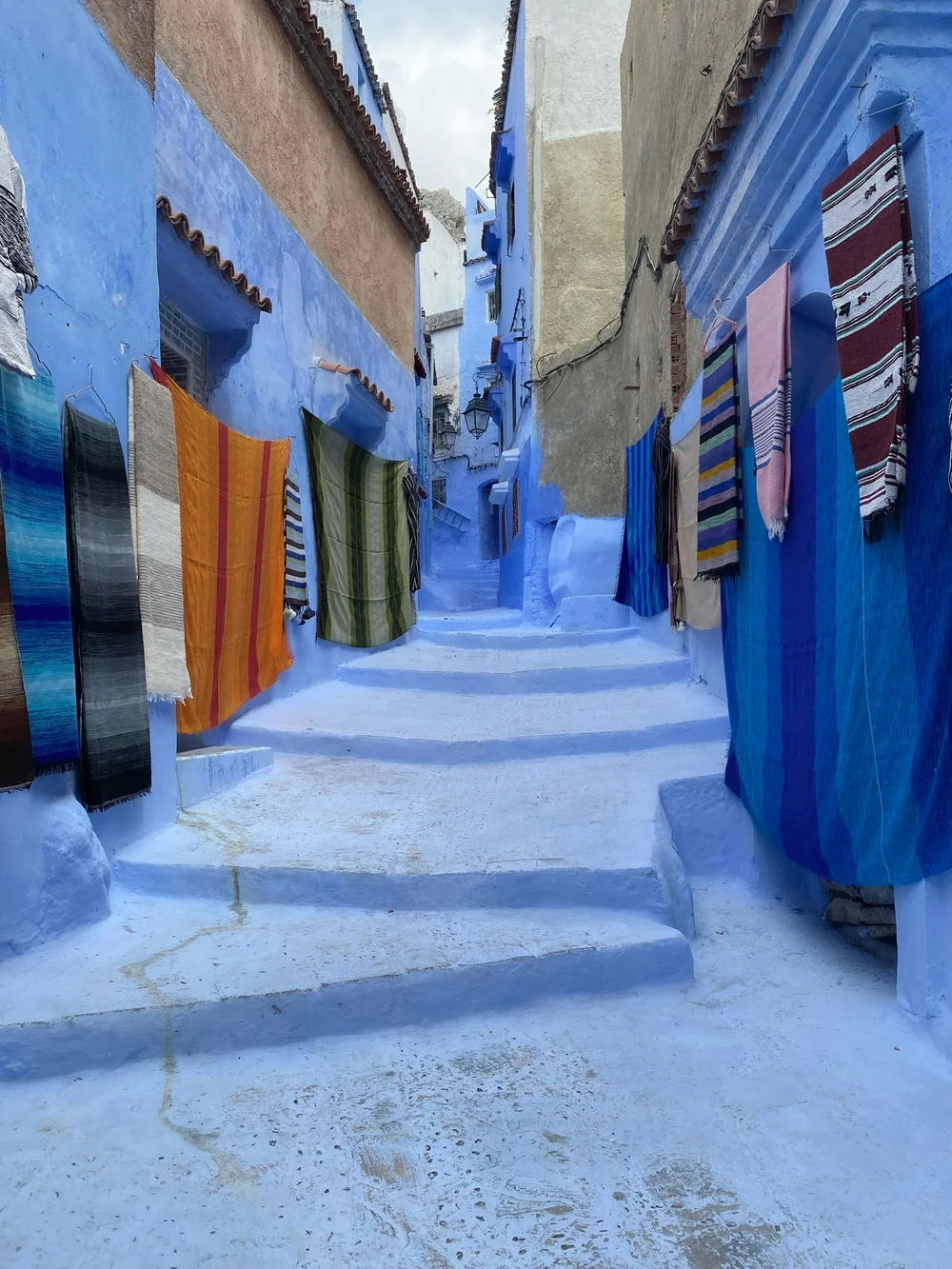
Enter through one of the old gates and walk gradually uphill. Notice how the shades change from street to street. Some walls appear almost white; others carry layers of turquoise, cobalt and violet-blue. Doorways introduce green, brown, red and carved wood into the palette. Do not worry about following a perfect route — getting temporarily turned around is part of the experience.
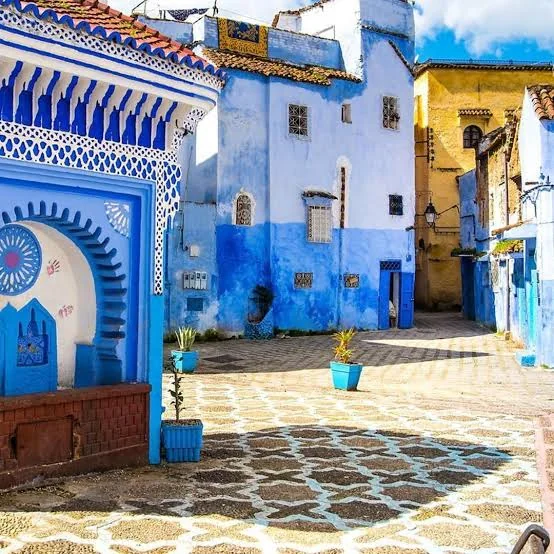

2. Pause in Place Outa El Hammam
Place Outa El Hammam is Chefchaouen's central gathering place. The broad square sits beside the Kasbah and the Grand Mosque, surrounded by cafés and restaurants. Morning brings deliveries and the working day; by afternoon, visitors gather under the trees; in the evening, families animate the square. Prices in the most prominent restaurants may reflect the location — for a quieter meal, explore the streets immediately beyond.
3. Enter the Kasbah
Chefchaouen's Kasbah returns the visitor to the city's fortified beginnings. The red-earth fortress stands in striking contrast to the surrounding blue medina. Its walls, towers, interior garden and heritage displays provide a useful introduction to Chefchaouen's history. Climb the accessible tower if it is open — the elevated view across tiled roofs and the surrounding mountains helps explain the city's geography better than a map can.
Explore Chefchaouen With a Local Guide
A knowledgeable local guide can unlock the medina's history, point out hidden workshops and provide context that independent exploration often misses — particularly for the Kasbah and the city's Andalusian heritage.
Browse Guided Medina Walks →Disclosure: MoroccoPassport may earn a commission from GetYourGuide bookings at no cost to you.
4. Follow the Water to Ras El Maa
On the eastern edge of the medina, mountain water reaches the city at Ras El Maa — "head of the water" or "source of the water." This is where Chefchaouen's visual identity meets one of the practical reasons the settlement could prosper: access to flowing water from the mountains. The area is busiest later in the day. From here, you can continue uphill toward the Spanish Mosque.
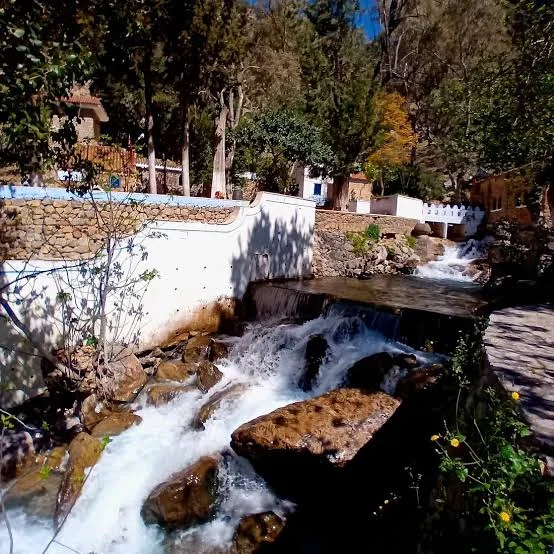
Ras El Maa, where mountain water flows into the city — a reminder that geography, not aesthetics, was Chefchaouen's founding logic.
5. Watch Sunset from the Spanish Mosque
The hillside mosque commonly called the Spanish Mosque stands above Chefchaouen and offers one of the city's classic panoramas. The walk from Ras El Maa generally takes around 20 to 30 minutes. The trail is straightforward but uneven, and the final approach can be busy near sunset. Arrive before the final moment — this gives you time to find a safe place without damaging vegetation or blocking the path.

6. Look for the City Behind the Color
Chefchaouen's details deserve as much attention as its panoramas. Look for painted geometric doorways, carved wooden lintels, handwoven blankets, small neighborhood fountains, bread ovens, tiled roofs, Andalusian architectural influences and the changing light as it moves through the lanes. Photography becomes more meaningful when it records a relationship between architecture and daily life rather than collecting blue walls without context.
The Best Time to Visit Chefchaouen
| Season | Weather | Crowds | Verdict |
|---|---|---|---|
| Spring Mar–May |
Mild, green mountains, occasional rain | Growing | Recommended |
| Summer Jun–Aug |
Warm to hot; mountain air cooler than lowlands | Peak | Viable |
| Autumn Sep–Nov |
Comfortable, clear light, quieter trails | Moderate | Recommended |
| Winter Dec–Feb |
Cold, wet, occasionally misty; few tourists | Low | Atmospheric |
How Many Days Do You Need?
One Day
- Early medina walk
- Place Outa El Hammam
- The Kasbah
- Ras El Maa
- Spanish Mosque at sunset
Two Days
- Medina at leisure, both mornings
- Artisan workshops
- Full Kasbah visit
- Rooftop dinner
- Quiet residential streets
- Sunset without time pressure
Three Days
- Day trip to Akchour
- Rif Mountain walk
- Photography time
- Local market exploration
- Weather buffer for hiking
A Two-Day Chefchaouen Itinerary
Day One — The Blue City
Morning: Enter the medina early and explore uphill before the busiest period. Continue toward Place Outa El Hammam for breakfast or mint tea, then visit the Kasbah when it opens.
Afternoon: Lunch away from the most crowded lanes. Walk through the craft streets. Continue to Ras El Maa later in the afternoon.
Evening: Walk to the Spanish Mosque before sunset. Return carefully as the light fades, then dinner near the main square or on a rooftop terrace.
Day Two — Culture or Nature
Option A — Slower city day: Revisit the medina without a checklist. Explore the market, visit workshops, enjoy a long lunch and photograph architectural details.
Option B — Akchour: Leave early with appropriate footwear, water and a realistic understanding of the route. Confirm conditions locally before departing.
How to Get to Chefchaouen
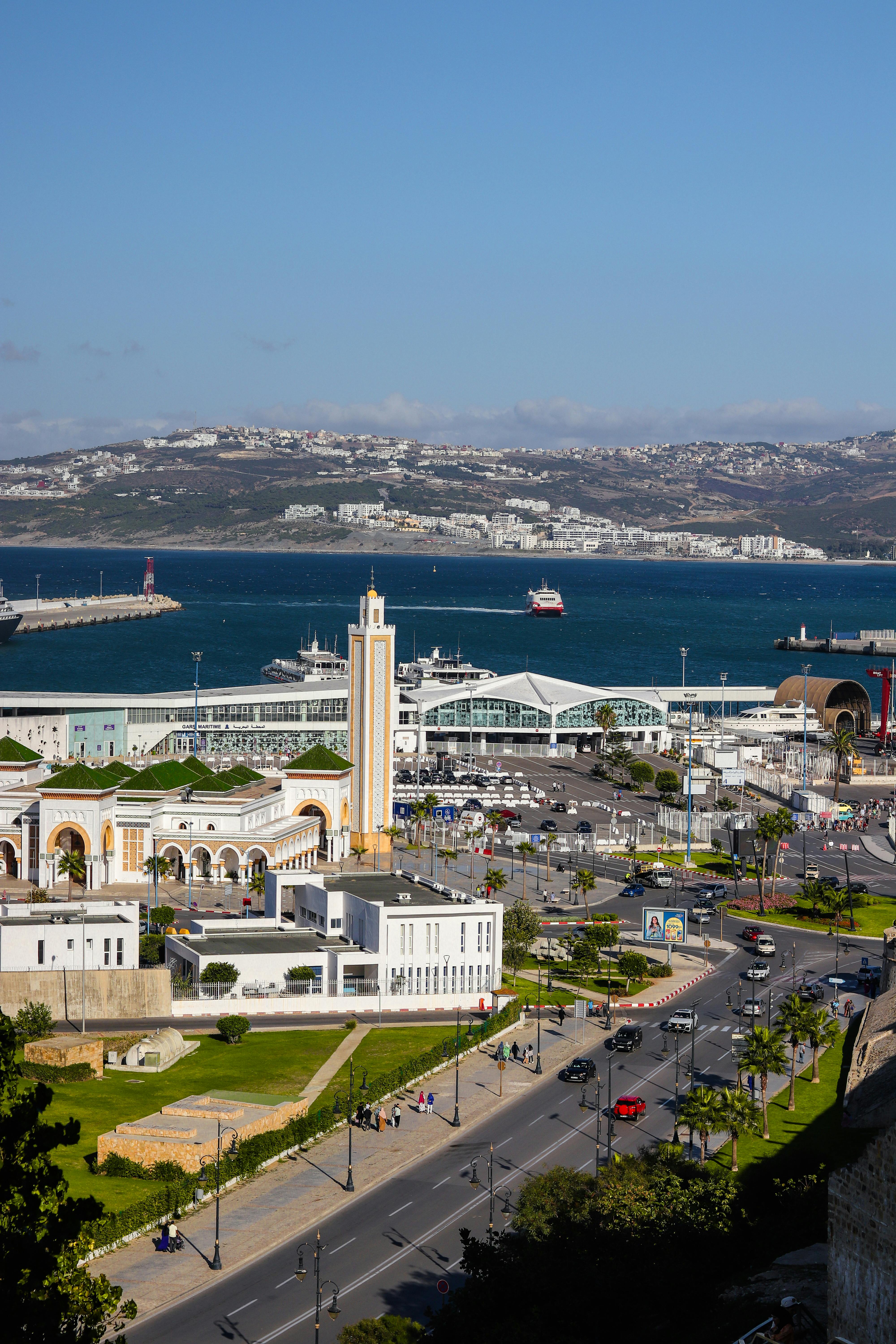
Chefchaouen has no railway station. The final part of the journey must be made by road. Transport schedules, journey times and fares change — verify current information directly with operators before traveling.
| From | Approximate time | Options |
|---|---|---|
| Tangier | ~2–2½ hours by road | Coach, shared taxi, private transfer, rental car, organized day trip |
| Tetouan | ~1½ hours by road | Coach, shared taxi, rental car |
| Fes | ~3½–4½ hours by road | Coach, private transfer, rental car |
| Rabat / Casablanca | Best via Tangier by rail, then road | Train to Tangier, then coach or taxi north |
Day Trips to Chefchaouen From Tangier or Fes
Organized day trips include transport, guide and often lunch — the most practical option for travelers with limited time who cannot stay overnight.
From Tangier → From Fes →Disclosure: MoroccoPassport may earn a commission from GetYourGuide bookings at no cost to you.
Driving to Chefchaouen
- Roads become winding near the mountains — drive conservatively
- Avoid unnecessary night driving on unfamiliar mountain roads
- Ask your accommodation about parking before arriving
- Do not attempt to drive inside the medina
- Keep valuables out of sight at all times
Where to Stay in Chefchaouen
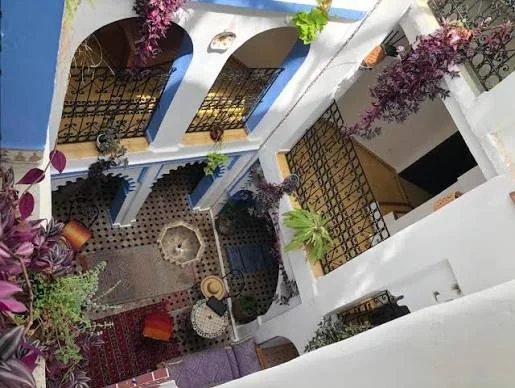
Riads and traditional guesthouses inside the medina offer immediate access to the blue streets and often include rooftop terraces with mountain views.
Stay Overnight in Chefchaouen
Chefchaouen is most rewarding early in the morning and after the day-trip crowds leave. Compare riads, guesthouses and hotels in and around the blue medina before choosing your location.
See Chefchaouen Stays on Booking.com → Affiliate link — MoroccoPassport may earn a commission at no cost to you.For a curated shortlist with honest access notes, read our Best Riads in Chefchaouen 2026 — six hand-picked properties across all budgets, with detailed luggage and stairs guidance for each.
Inside the Medina
Choose the medina if you want atmosphere, traditional architecture and immediate access to the blue streets. You will walk directly into the historic center and experience the city early and late. Consider that steep lanes and steps mean luggage may need to be carried, and rooms in old buildings vary in sound insulation and heating. Before booking, ask exactly how far the property is from the nearest vehicle drop-off point.
Near Place Outa El Hammam
Convenient access to restaurants, the Kasbah and the principal sights. This location can also be livelier in the evening — travelers sensitive to noise should read recent reviews carefully.
Outside the Medina
Accommodation outside the old city may offer easier vehicle access, more contemporary rooms, parking possibilities and fewer stairs. You lose some historical atmosphere, but the trade-off can be worthwhile for travelers with limited mobility, heavy luggage or a rental car.
What to Eat in Chefchaouen
Chefchaouen's food belongs to the culinary world of northern Morocco and the Rif. Chefchaouen is one of the Moroccan communities associated with UNESCO's multinational recognition of the Mediterranean diet as intangible cultural heritage — encompassing not just dishes but knowledge, agriculture, preparation, hospitality and the transmission of food traditions.


What to Look For
- Bissara: A comforting purée or soup made from dried fava beans, often served with olive oil, cumin and bread.
- Tagine: Available in many variations — chicken, vegetables, lamb or kefta.
- Goat cheese: Associated with the northern mountain region; worth trying when sourced locally.
- Fresh bread and msemen: Excellent for breakfast with honey, olive oil or cheese.
- Moroccan salads: Often served as several small cooked and raw preparations.
- Mint tea: Ubiquitous, but especially enjoyable on a terrace overlooking the medina.
For better meals, do not choose exclusively by rooftop view. Recent local recommendations and your riad host can help, but remain aware that commission arrangements sometimes influence suggestions.

The local market reveals what is growing and arriving from the surrounding Rif.
Shopping and Local Crafts


Northern Morocco has distinctive craft traditions, and Chefchaouen is known particularly for wool, weaving, woodwork and leather goods. Some products are locally made; others may come from elsewhere in Morocco or be manufactured for the visitor market. If local production matters to you, ask specific questions: where was this made, is it handmade, what material was used.
A seller may begin with a price higher than the final amount expected. Negotiation can be part of the exchange, but it should remain respectful. The goal is a price both sides can accept — not the humiliation of winning the smallest possible discount from a craftsperson.
Beyond the Blue Medina: Akchour and the Rif Mountains
Chefchaouen is also a gateway to one of northern Morocco's most striking natural regions. The official Moroccan tourism office highlights Talassemtane National Park and the surrounding mountain landscapes for forests, hiking routes, caves, waterfalls and natural formations.


Akchour Waterfalls
Akchour is widely known for its river scenery and waterfalls. The experience varies with rainfall and season, and online photographs may show stronger water flow than you encounter. The route requires more than attractive shoes and a camera. Wear footwear with grip, carry drinking water, protect yourself from the sun and ask locally about current trail conditions.
God's Bridge
God's Bridge (Pont de Dieu) is a natural rock arch near Akchour. Reaching the area can involve uneven mountain terrain. Consider a local guide if you are unfamiliar with the trails, traveling alone or uncertain about conditions.
Akchour and Rif Mountain Excursions
Guided excursions to Akchour include transport and local hiking expertise. Particularly recommended for first-time visitors to the area or during variable weather seasons.
Browse Akchour Excursions →Disclosure: MoroccoPassport may earn a commission from GetYourGuide bookings at no cost to you.
Responsible Travel in Talassemtane National Park
- Stay on established routes and respect trail markers
- Carry all litter back — there are no bins on the trail
- Do not disturb wildlife or pick plants
- Avoid loud music in natural areas
- Do not rely exclusively on social-media directions — ask locally
- Check for seasonal closures, weather and trail safety before departure
Responsible Photography
Chefchaouen's global popularity has created real pressure on a small living medina. Follow a simple principle: photograph places freely, but photograph people thoughtfully.
- Ask before taking a recognizable portrait. Accept "no" immediately and graciously.
- Do not photograph children without permission from a parent or guardian.
- Do not block private doorways or enter courtyards without invitation.
- Never rearrange residents' belongings for a composition.
- If someone has created a staged paid-photo corner, establish the expected payment first.
- Avoid drones unless you have confirmed all current legal permissions and local restrictions.
A resident's front step does not become public property because it is painted blue.
Safety and Practical Advice
Chefchaouen is generally experienced as a relaxed destination, but ordinary travel awareness remains necessary. Keep valuables secure in crowded areas, carry limited cash, save your accommodation's location offline, use a flashlight on dark steps and confirm mountain conditions before hiking.
Chefchaouen in Details
The medina's character is in its details as much as its panoramas. A slow walk reveals layers that the famous photographs rarely show.

Frequently Asked Questions
MoroccoPassport's Interpretation
Chefchaouen succeeds because its beauty is not isolated from its geography. The mountains explain its defensive location. Water explains the settlement's viability. Migration and cultural exchange helped shape its architectural identity. Craft traditions turned local knowledge into objects of daily use and commerce. Tourism later transformed the blue medina into a global image.
The challenge now is preservation without paralysis. Chefchaouen should remain open to visitors and benefit economically from its international reputation. But its success should not require residents to surrender the dignity and function of their own neighborhoods.
The best visitor is not the person who collects the greatest number of blue-door photographs. It is the person who leaves understanding that someone lives behind each door.
Related MoroccoPassport Guides
- Moroccan National Tourist Office: Chefchaouen
- Moroccan National Tourist Office: Nature in Chefchaouen
- Moroccan National Tourist Office: Medina in Chefchaouen
- Chefchaouen Municipality: The Kasbah
- Moroccan Ministry of Habous: Grand Mosque of Chefchaouen
- UNESCO: Mediterranean Diet (Intangible Cultural Heritage)
- UNESCO: Chefchaouen Aspiring Global Geopark
- Moroccan National Tourist Office: Getting Around Morocco
Transport schedules, admission arrangements, trail conditions and operating hours change regularly and should be verified shortly before travel. MoroccoPassport does not guarantee the accuracy of third-party schedules or pricing.
Last reviewed: August 2026 · About MoroccoPassport